
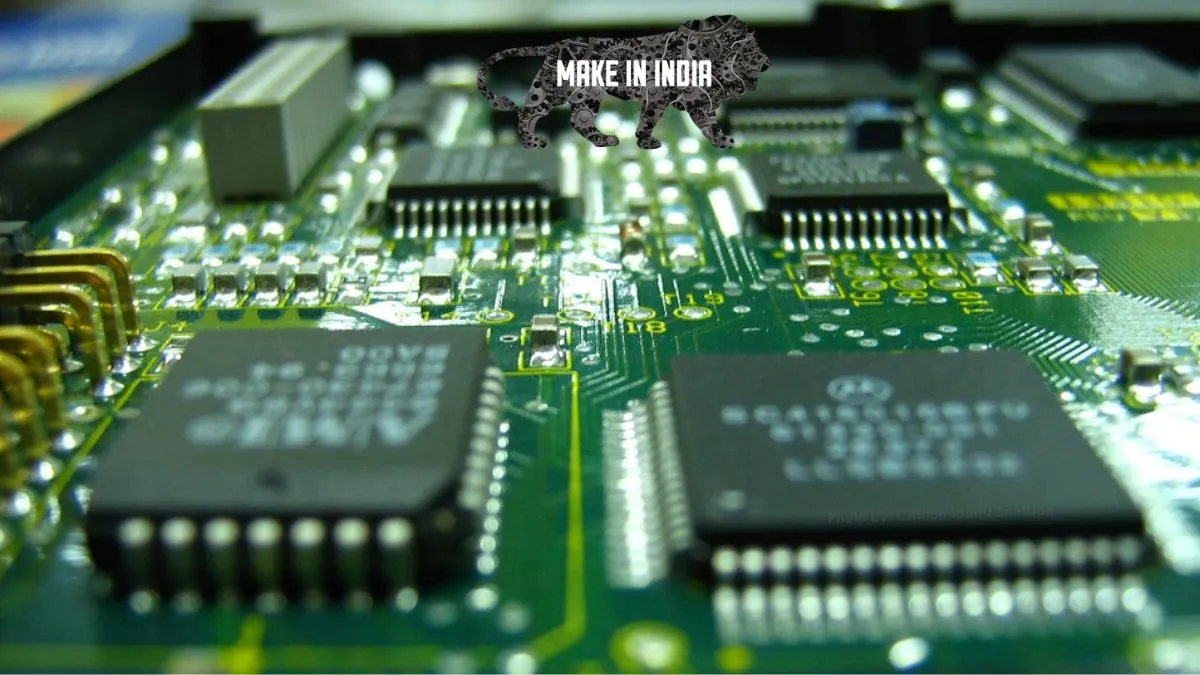
Prime Minister Modi’s Cabinet just approved the Semicon 2.0 programme, putting it with a total budget of Rs 1,27,500 crore. The initiative has been designed to build up India’s semiconductor design and manufacturing ecosystem and keep the policy support rolling for what’s probably the country’s most strategic tech industry at present.
Semicon 1.0 set things in motion—Semicon 2.0 wants India to move up from being a hopeful player to actually stepping onto the global semiconductor supply chain stage.
Six pillars of Semicon 2.0
As per the new semiconductor policy, Semicon 2.0 will focus on 6 major areas that together aim to create a complete chip manufacturing ecosystem in India.
1. The Chip Design Ecosystem: After fronting support for over 105 chip-focused startups, the government plans to double down, pushing for more homegrown intellectual property, next-gen chip designs, and serious system-level products not just for commercial use but also for India’s strategic needs.
2. Machines, Materials, and Chemicals: Instead of leaning so hard on imports, India wants to sweeten the deal for companies making semiconductor gear, materials, speciality chemicals, and the gases you need for fabrication. The thinking here is to grow precision manufacturing muscle at home.
3. More Semiconductor Fabs: The first Indian wafer fab should be running by 2028. With this in sight, the government is offering incentives to draw more investment—bringing in more silicon fabs, compound and display fabs, and discrete component units.
4. Ramping up Assembly, Testing, Marking, and Packaging: The whole ATMP/OSAT game. India wants to see more global big-league players setting up advanced packaging and testing lines right here, so chips don’t have to make that round-the-world trip anymore.
5. Research and Development: The push is for advanced manufacturing nodes—think tech beyond the 28nm to 110nm range. The plan is to join hands with top Indian and international research centres, moving the needle on process tech and innovation.
6. Talent Development: Right now, 315 universities are churning out graduates trained with advanced Electronic Design Automation tools. Nearly 68,000 students have been through the pipeline. Semicon 2.0 zeroes in on fab construction, clean-room know-how, and actual manufacturing skills, aiming to build a steady, skilled workforce for the sector.
What’s happened so far under Semicon 1.0?
The government’s already greenlit 12 semiconductor manufacturing projects, which pulled in more than Rs 1.64 lakh crore in investment. The portfolio includes a silicon fab, a silicon carbide fab, an integrated gallium nitride micro-LED display fab, and nine packaging plants.
Big names like Micron, Kaynes, and CG Semi have already kicked off commercial production in India. Another facility goes live in 2026. On the design side, 24 startup and MSME projects received funding. These teams are working on chips for artificial intelligence, satellite comms, IoT, telecom, drones, security, smart meters, and car electronics.
What does Semicon 2.0 mean for India’s tech ambitions?
The government pins its hopes on this policy to notch up India's technological strength, shore up supply chain resilience, and finally stop relying so much on imported chips.
Semicon 2.0 promises more employment in India
Semicon 2.0 promises new jobs, global investors, and a vibrant domestic innovation scene. It’s set to power multiple sectors: electronics, automotive, telecom, defence, aerospace, industry, and AI.
