
Every summer, electricity bills jump up, especially if you live in the hotter regions of the country, like Rajasthan, Gujarat, Uttar Pradesh, Madhya Pradesh, Bihar, Maharashtra, and more. Temperatures there go up to 50 degrees Celsius, and most of us have no choice but to keep air conditioners, coolers, and fans running nonstop. That alone drives up consumption, so a higher bill is not a shock. But sometimes the jump goes way beyond our expectations, and that needs a quick check to know if the bill is reasonable. If you get a sky-high bill out of nowhere, then you need to pay attention.
You are not powerless as a consumer in India. If you spot something wrong on your bill, you can challenge it and ask for an investigation. Here’s how to tackle an electricity bill that just does not add up.
Why did my bill go up?
DISCOMs, the companies that supply your power, use a slab-based tariff system. That means the more units you use, the more you pay per unit. Use a little, pay a little. Cross a certain threshold, though, and suddenly each new unit gets expensive fast. That's why it’s normal to see some increase when you rely more on appliances in the summer. But an unusually high bill usually means there’s another problem.
What is messing up the electricity bills?
A few things can push your bill over the edge:
- The utility staff made an error reading your meter.
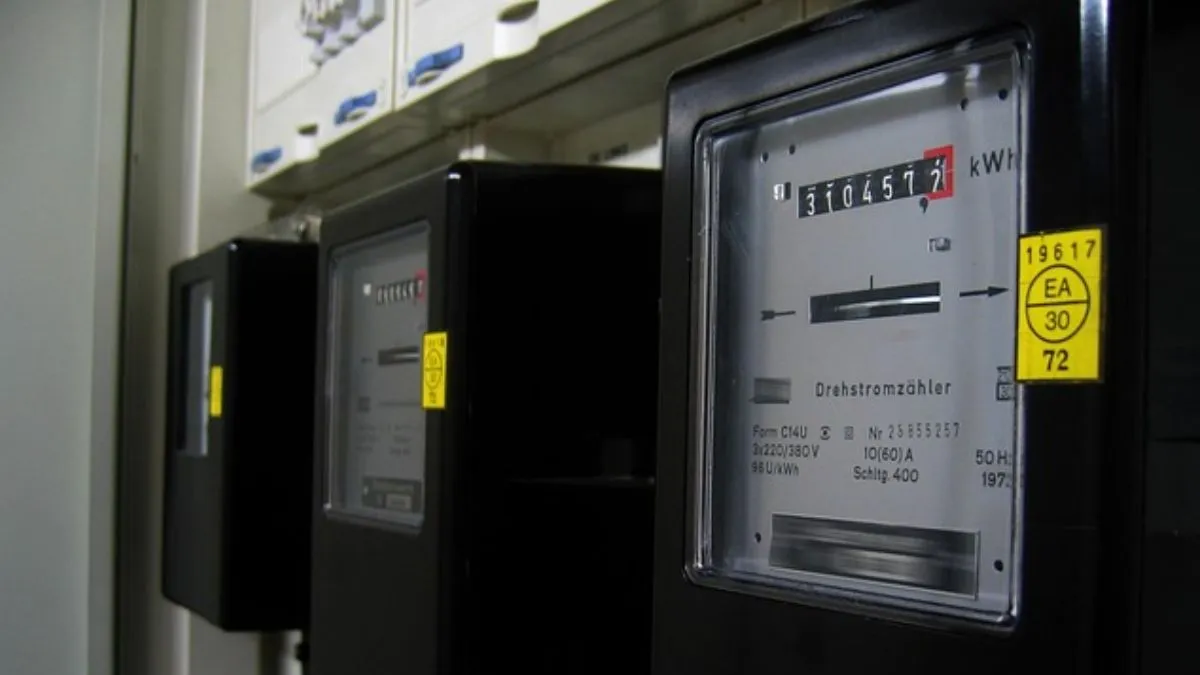
- Your electricity meter’s faulty or running too fast.
- The company’s charging you under the wrong tariff.
- You are using way more electricity because it’s so hot.
- Old appliances like a very old fridge or a beat-up AC consume a lot of power.
- Technical issues with smart meters.
Figure out what is actually going on
- Do not ignore a weird bill: Many people simply pay up or ignore big bills, worried that complaining will get their power cut off. But you should always double-check your bill. Compare it to previous months. Look at the units consumed and see if your usage really is higher. If anything looks odd, then raise a complaint with your electricity provider right away. Hang on to your bill and jot down your complaint number, and you will need that if there’s any follow-up.
- Know your rights: Electricity bills are not something you need to accept blindly. Here’s what you get under Indian law.
- Consumer Grievance Redressal Forum (CGRF): Every DISCOM has to set up a Consumer Grievance Redressal Forum. So, if your bill’s off, your meter’s faulty, there’s a billing dispute, or you’re facing terrible service—this forum is your first stop. File a complaint, and they’ll investigate and can order the company to fix things.
- Electricity Ombudsman: Still not satisfied after complaining to the CGRF? Take it higher. Every state has an Electricity Ombudsman—someone outside the company—who will look into your case and make a ruling.
- Consumer protection: The Electricity (Rights of Consumers) Rules, 2020, say you should get accurate bills, reliable service, and complaints need to get sorted out quickly. If the company’s mistake costs you money or causes a hassle, you can even take action under the Consumer Protection Act.
What about smart meters?
Many homes now have smart meters that send readings automatically. They're convenient, but sometimes they mess up too. If you think your smart meter’s wrong:
- Track daily consumption in the smart meter app.
- Lodge a complaint with your electricity provider—online or through customer care.
- Ask for an official inspection of your meter.
- Always keep the complaint number for your records.
How to cut your bills?
You can shrink your bill, too:
- Upgrade to energy-efficient appliances.
- Keep an eye on your daily usage.
- Do not leave appliances running when you don’t need them.
- Consider solar panels—government schemes like PM Surya Ghar Muft Bijli Yojana even offer financial help.
If your electricity bill skyrockets, do not just pay and move on. You have the right to check the cause if you see any weird change. Check your usage, question anything strange, and file a complaint if needed. Knowing how things work and keeping an eye on your usage keeps you from paying more than you should.
