
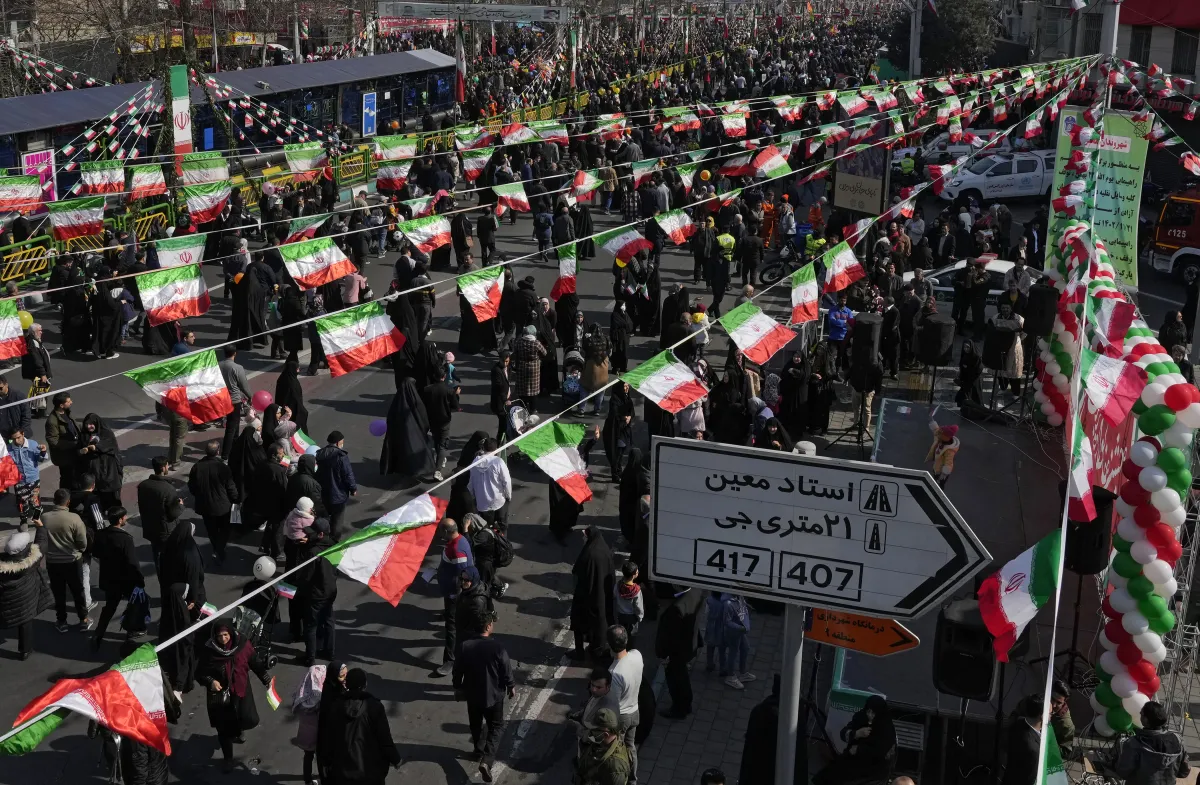
As Israel continues its military campaign against Iran, calls for regime change have intensified. US President Donald Trump and Israeli Prime Minister Benjamin Netanyahu have openly suggested that Iran's Supreme Leader, Ayatollah Ali Khamenei, could be a legitimate target.
The rhetoric has heightened tensions and revived deep historical grievances among Iranians, many of whom remember a time when foreign powers directly shaped their country's political future. Media reports suggest the US is gearing up to intervene in the Israel-Iran war and may join Israeli forces in launching attacks on Tehran's nuclear sites, further throwing the volatile Middle East on the edge.
A history of intervention: The 1953 Iran coup
The most significant example of foreign interference occurred in 1953, when the United States and the United Kingdom orchestrated a coup to remove Iran's democratically elected Prime Minister, Mohammad Mossadegh. Mossadegh had moved to nationalise Iran’s oil industry, challenging the control of Western companies. In response, the CIA and British Secret Intelligence Service launched Operation Ajax, a covert mission to depose him.
The coup succeeded, reinstating Shah Mohammad Reza Pahlavi and ending Iran's brief experiment with democracy. The US and UK regained access to Iranian oil, and the Shah became a close Western ally. However, he ruled autocratically and used a secret police force, SAVAK, to suppress dissent. This period fostered widespread resentment towards the West, especially the United States, for its role in undermining Iranian sovereignty.
1979 Islamic Revolution and its legacy
By the late 1970s, opposition to the Shah had reached a breaking point. Millions of Iranians, including secular activists and Islamist groups, took to the streets in protest. In 1979, the Shah was overthrown in the Islamic Revolution, which led to the establishment of the Islamic Republic under Ayatollah Ruhollah Khomeini. The revolution marked a dramatic shift in Iran's domestic and foreign policy and solidified anti-American sentiment that had been building since the 1953 coup.
Present echoes of past trauma
Today, as Washington and Tel Aviv discuss the future of Iran’s leadership, many Iranians view these statements through the lens of their country's history. The 1953 coup remains a defining moment in Iran’s modern identity, symbolising foreign betrayal and loss of autonomy. The current calls for regime change are seen by many as a continuation of the same external meddling that shaped Iran’s turbulent 20th century.
While some Iranian opposition figures abroad welcome international pressure on the regime, others caution that forced regime change could destabilise the country further, pointing to the examples of Iraq and Libya. Inside Iran, government officials use this rhetoric to rally nationalist support, warning that foreign interference threatens the nation’s sovereignty and security.
