
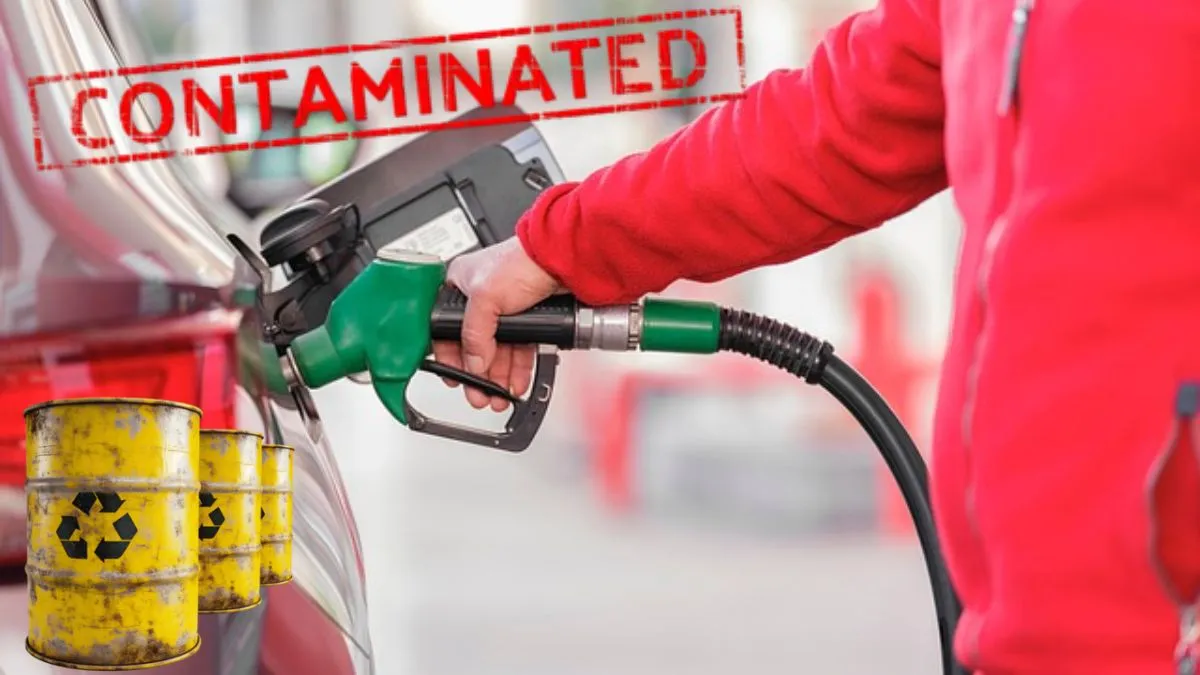
All car owners feel free when they end up at any petrol station to get their car’s tank full, and most of us do not give a second thought about the tank. But sometimes, that routine petrol station stop for a refill can go horribly wrong if the fuel inside the pump is contaminated. Suddenly, your car runs rough, repairs get expensive, and, in the worst cases, your engine gives up completely.
Now, fuel contamination is not exactly common, but it does happen. Maybe water seeps into the underground storage tanks during a heavy rain, or a bit of rust or dirt gets mixed in during delivery. Sometimes, corners get cut, and you end up with low-quality fuel spiked with who-knows-what. Knowing what to look out for can save you a fortune (and a whole lot of stress).
What is contaminated petrol?
It is fuel with stuff in it that should not be there. That ‘stuff’ can be water, dirt, rust flakes, bits of sediment, diesel mixed with petrol, or even low-grade fuel cut with solvents and chemicals. All of these junk ingredients mess with how your engine burns fuel and can cause nasty damage.
How does petrol end up contaminated?
A few usual suspects:
- Water sneaks in through condensation, especially after heavy rain or flooding. Even a tiny bit can cause trouble.
- Dirty tanks or pipelines turn fuel into a soup of dust, rust, or debris.
- Sometimes, shady operators dilute fuel with cheaper chemicals, wrecking its quality.
- Petrol that sits too long breaks down and thickens, clogging up your fuel system.
Signs that your car has poor-quality petrol?
If you notice that your car is acting weird right after you refuel the car, then the contaminated petrol might be the culprit. Look out for:
- Trouble starting the engine
- Misfires or rough idling
- Sudden drops in power—or your car just feeling “dead”
- Sluggish acceleration
- Poor mileage
- That dreaded check engine light
- More exhaust smoke than usual
- Engine stalls on the road
If you see any of these, especially more than one, then do not risk a long drive. Get it checked instantly.
How bad fuel wrecks your ride
- Clogged fuel injectors: Sediment and dirt can block injectors, choking how much fuel your engine gets—which tanks performance.
- Fuel pump failure: Water and gunk wear out your pump fast. You really don’t want to replace this part.
- Engine trouble: Combustion gets messy, leaving you with jerky acceleration and a thirsty engine.
- Corrosion: Water sparks rust all over the fuel system—tanks, pipes, injectors, you name it.
- Catalytic converter damage: Unburnt fuel sent through your exhaust destroys the catalytic converter. That’s a pricey fix.
What if you already pumped bad fuel?
If problems pop up right after you refuel:

- Park as soon as you notice severe misfiring.
- Save your fuel receipt.
- Call the petrol station and explain.
- Head to an authorised shop for a check.
If tests show your fuel is contaminated, you’ll likely need the tank drained and the system cleaned out.
How to dodge contaminated petrol
- Stick to trusted, busy petrol stations. More customers mean fresher, cleaner fuel.
- Avoid filling up while a tanker is refilling the underground tanks—sediment gets stirred up right then.
- Always grab your receipt. You will need it if you have to make a claim.
- Change your fuel filter on schedule. It is your first line of defence.
- Do not run the tank down to empty. The last bit of fuel’s where all the sediment hangs out.
- Use the fuel grade your car’s maker recommends—no experimenting.
- Pay attention after refuelling. If you witness any sudden changes, then do not hesitate to investigate.
Contaminated petrol is not something you bump into every day, but if it happens, you will wish that you had been prepared.
Stick to reliable stations, maintain your car, and do not shrug off weird behaviour after filling up.