
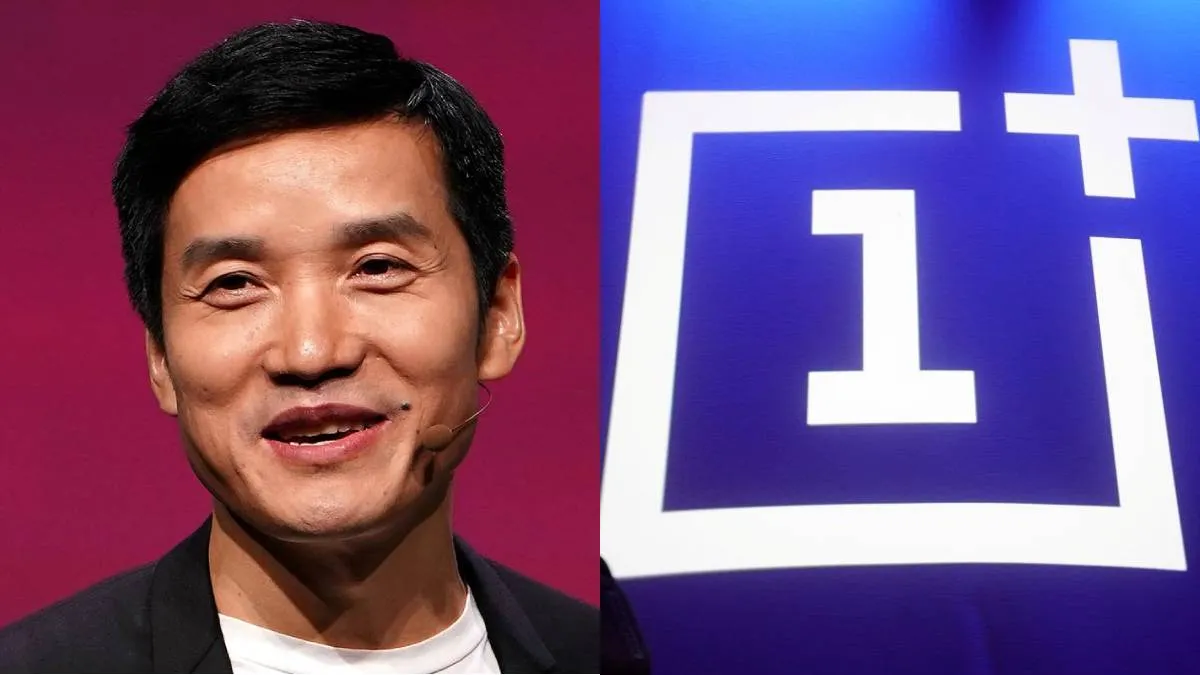
Taiwan has issued an arrest warrant against OnePlus CEO Pete Lau . OnePlus stands accused of operating illegally and engaging in fraudulent recruitment practices, allegedly violating strict laws governing relations between mainland China and Taiwan. The warrant follows claims that the Shenzhen-based company has been conducting business on the island without the necessary legal authorisation.
Overview of the case
According to the Shilin District Prosecutors Office in Taiwan, Pete Lau is accused of overseeing an illegal operation that bypassed local regulations. Specifically, OnePlus is alleged to have unlawfully recruited more than 70 employees for smartphone software research, development, testing, and verification.
These actions are being treated as a direct violation of the Act Governing Relations Between the People of the Taiwan Area and the Mainland Area. Prosecutors argue that by operating without official permission, OnePlus has not only flouted corporate law but also compromised national security.
While OnePlus became an independent sub-brand of Oppo in 2021, with Lau serving as both OnePlus CEO and Oppo’s Chief Product Officer, neither entity has issued an official statement regarding the warrant.
Heightened tensions between China and Taiwan
This legal action comes at a time of significant geopolitical friction. Taiwan has grown increasingly vigilant against the "poaching" of local high-tech talent by mainland firms, which often utilise shell companies or foreign entities to mask their origins.
This case follows a broader crackdown; in August 2025, Taiwanese authorities launched investigations into 16 different Chinese firms. Industry experts suggest that the lawsuit against OnePlus is a strategic move by Taipei to curb Beijing’s technological influence and protect its domestic intellectual property.
Realme-Oppo merger
Meanwhile, After seven years of independent operation, Realme is officially reintegrating with Oppo as a sub-brand. This strategic consolidation aims to pool resources, streamline supply chains, and eliminate operational redundancies. By unifying their infrastructure, both brands hope to mitigate rising manufacturing costs and enhance after-sales support through Oppo's extensive service network.
