
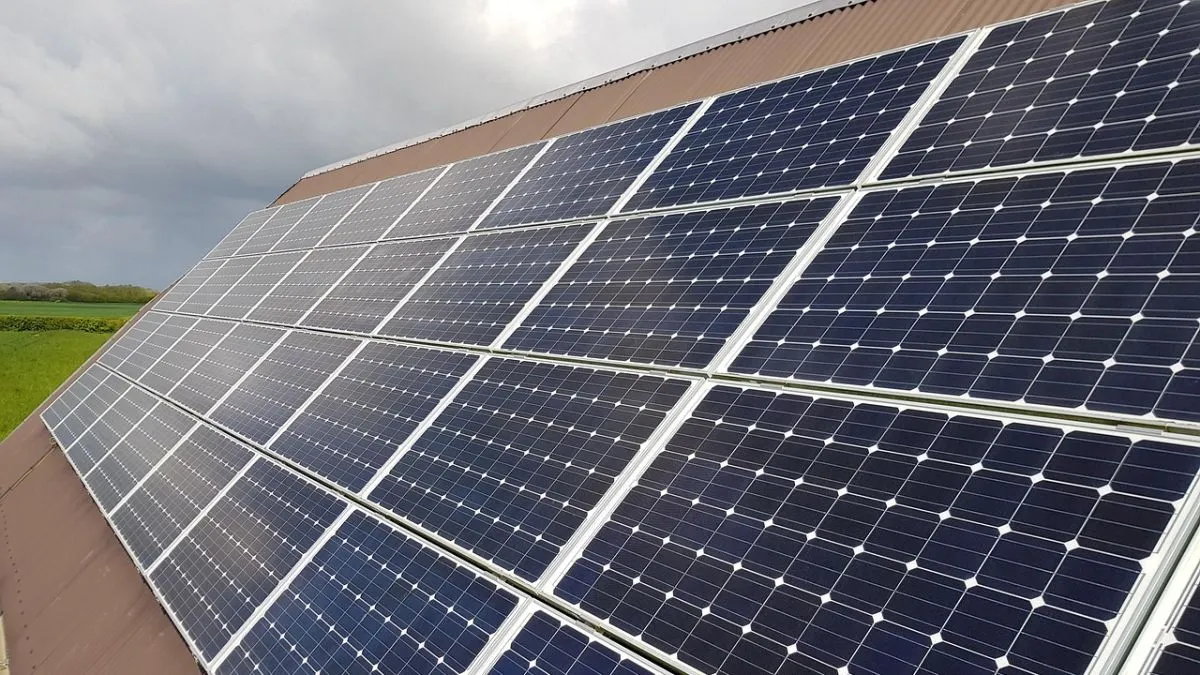
India is rolling out new solar rules starting June 1, and, honestly, this could shake things up for anyone thinking about installing rooftop solar panels. The goal is to push more people to use solar panels made in India and not just assembled but using Indian-made solar cells too. The government wants to beef up our manufacturing, cut down on imports (especially those cheap Chinese solar cells), and build a serious “Make in India” solar sector.
So, what’s actually changed?
The government has tightened the entry requirements for which solar panels qualify in government-backed schemes. If you want subsidies or net metering under the PM Surya Ghar: Muft Bijli Yojana, you will need panels from companies on the new ALMM List-2.
Also, the cells inside those panels must come from officially approved domestic manufacturers. This is not just for homes; rather, it is for commercial and industrial projects that have to play by the same rules.
Why is the government doing this?
Basically, India can build about 200 GW worth of solar modules a year, but our local solar cell manufacturing is still stuck around 30 GW. That means most “Indian” solar panels are really using imported cells, mostly from China. With the new policy, the government’s sending a clear message: it wants to fix that gap and drive Indian production up.
But what does this mean for you?
Well, first, prices are going up. Industry folks say installing rooftop solar could cost you Rs 3,000 more per kilowatt because Indian-made solar cells just aren’t as cheap as imported ones yet. Here’s what that increase looks like in real life:
- A 3kW system: About Rs 9,000 more.
- A 5kW system: Around Rs 15,000 extra.
And as more people scramble for government-approved panels, prices could bump up again. Expect a bit more paperwork too if you’re claiming subsidies — the verification’s going to get tighter.
Demand for Indian-made solar panels will jump
India needs about 50 GW of new solar panels each year, but local suppliers can only cover 25-30 GW. With this policy pushing Indian panels, demand will skyrocket — that’s likely to draw more investment into the sector, but it might mean temporary price hikes and supply shortages.
PM Surya Ghar Yojana: What kind of subsidy are we talking about?
Despite costs climbing a bit, the government’s rooftop solar subsidies are still pretty generous:
- Up to Rs 30,000 for a 1kW system
- Up to Rs 60,000 for 2kW
- Up to Rs 78,000 for 3kW or more
Plus, many states have their own sweeteners, and you can get up to 300 units of free electricity a month under the scheme.
How do you actually apply?
It’s all online. You log onto the PM Surya Ghar portal, and:
- Hit “Register”
- Pick your state and your electricity company (DISCOM)
- Type in your consumer number
- Register with your mobile number and email
- Log in with the OTP
- Click on “Apply for Rooftop Solar”
Wait for approval, then pick an approved vendor for installation
Cost of a solar panel for homeowners in India?
As mentioned above, the installation costs are going up in the short run, but the government’s betting that a stronger, more independent solar industry and better-quality gear are worth it. The subsidies take the sting out of the price hike, making rooftop solar a pretty solid investment for the long haul, especially if you want some energy independence.
