
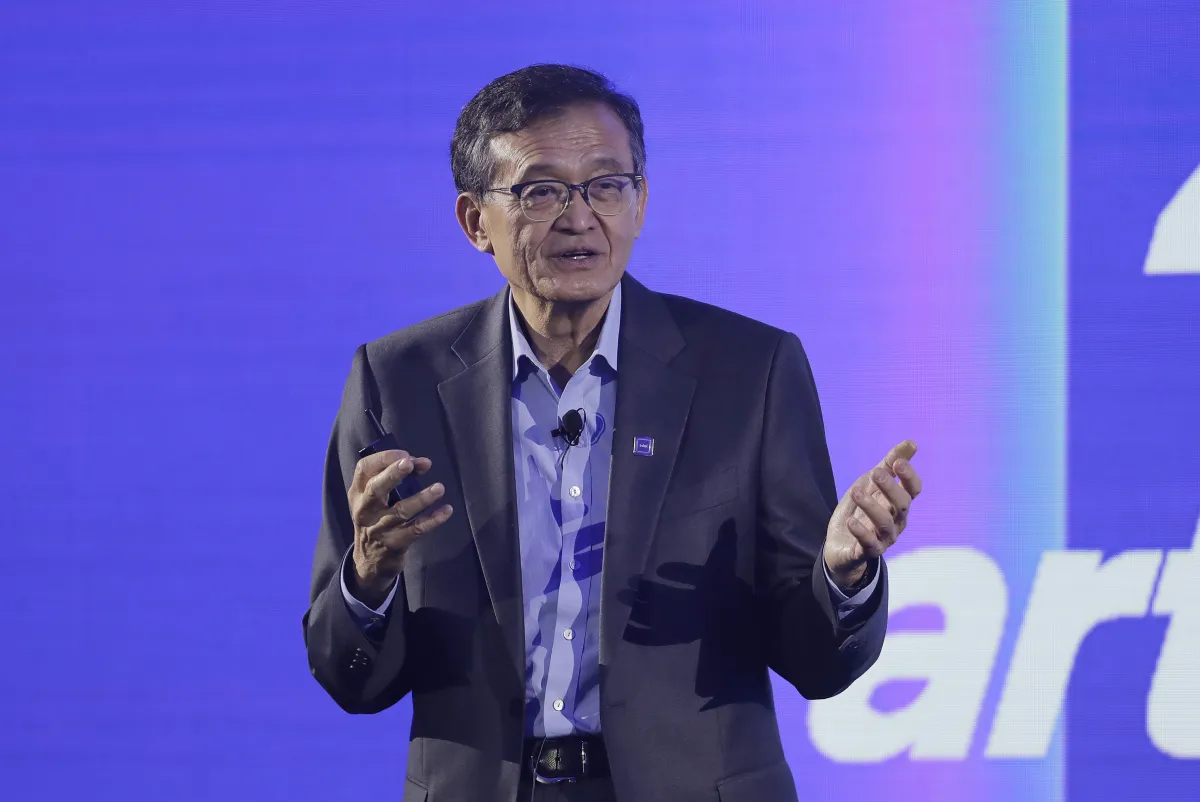
The CEO of PC chip giant Intel, Lip-Bu Tan, is expected to visit Odisha later this year for the groundbreaking ceremony of 3D Glass Solutions' semiconductor plant, a senior state government official said on Wednesday.
Speaking to PTI, Principal Secretary of the Odisha Electronics and IT Department, Vishal Kumar Dev, stated that the groundbreaking ceremony for the silicon carbide company SicSem is scheduled for next month, with commercial chip production anticipated to begin in two years.
"The Chief Minister (Mohan Charan Majhi) was here, and they (SiCSem and 3DGS) have committed to starting the unit soon. SiCSem's groundbreaking will be held next month, and the other company, 3D Glass Solutions (3DGS), is waiting for a date from Intel CEO Lip-Bu Tan. He also plans to visit Odisha, which is when the groundbreaking will happen, hopefully in the next two to three months," Dev said.
3D Glass semiconductor packaging unit
The 3D Glass semiconductor packaging unit is being established by Heterogeneous Integration Packaging Solutions Pvt Ltd, a company backed by major U.S. technology firms like Intel, Lockheed Martin, and Applied Materials. The project involves an investment of Rs 1,943 crore and aims for an annual production capacity of 5 crore units. This marks the first semiconductor project in the state to involve Intel Corporation along with other technology partners.
India’s first integrated Silicon Carbide (SiC) based Compound Semiconductor fabrication facility
In a separate development, SicSem is collaborating with UK-based Clas-SiC Wafer Fab to set up the country's first integrated Silicon Carbide (SiC) based Compound Semiconductor fabrication facility at InfoValley in Bhubaneshwar.
Dev also mentioned that RIR Power Electronics has informed the Chief Minister that its SiC wafer fabrication facility, with a Rs 618 crore investment, is already operational and is targeting commercial production by March 2026.
Odisha semiconductor policy
To attract talent and investment, the Odisha government has introduced a revised semiconductor policy. The policy offers incentives equal to 50 per cent of the total incentives provided by the central government. Additionally, it offers engineering students a stipend of around Rs 10,000 if they choose semiconductor as a subject, and provides support for them to develop their own commercial chips.
ALSO READ: Samsung Galaxy S25 FE likely to pack 12GB RAM, 256GB storage: Here's how much it can cost
