
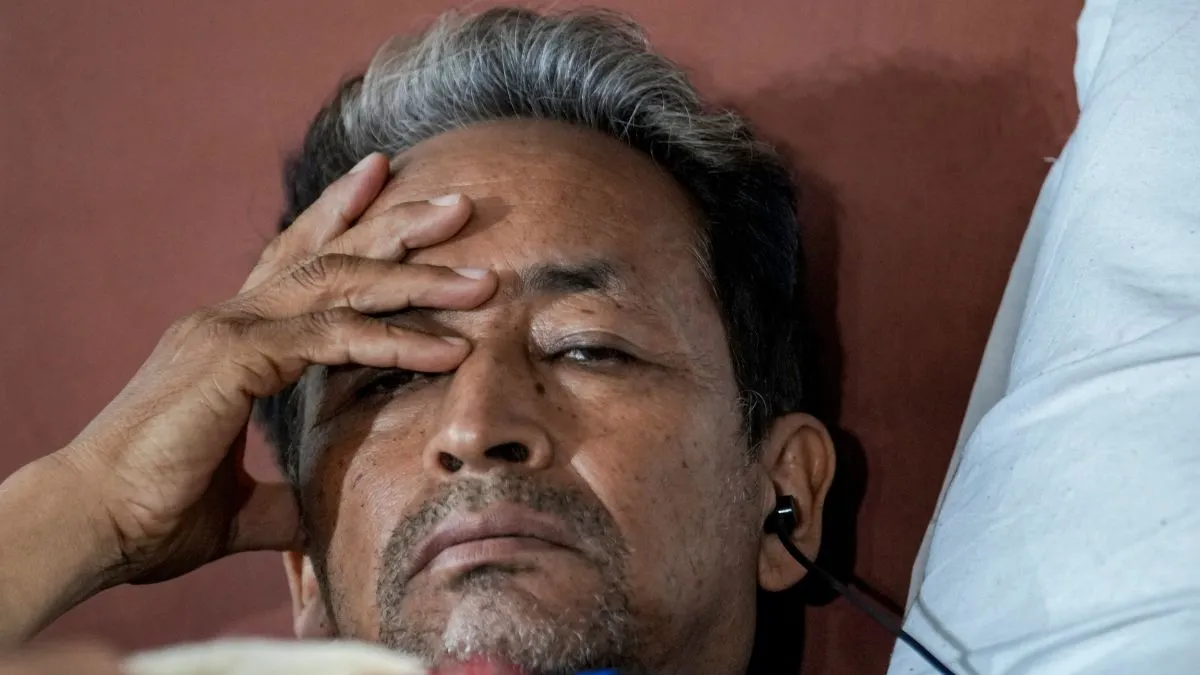
Climate activist Sonam Wangchuk has developed signs of dehydration after remaining on an indefinite hunger strike, with doctors at Delhi's Safdarjung Hospital saying he requires urgent fluid and electrolyte therapy to avoid serious health complications. However, both Wangchuk and his family have so far declined the recommended treatment despite repeated counselling by the medical team.
According to the latest update from VMMC and Safdarjung Hospital, Wangchuk is receiving the necessary medical treatment. Although his vital signs remain stable, doctors said his blood parameters continue to be marginally altered. They added that, given the physiological stress and systemic impact of prolonged fasting, he will remain under continuous medical care and close observation by a multidisciplinary team of experts. The hospital, in a statement issued on Saturday night, said Wangchuk is conscious and haemodynamically stable. His pulse, blood pressure and oxygen saturation remain within normal limits, but doctors have expressed concern over the effects of his prolonged fast and said timely medical intervention is now necessary.
Hospital says prolonged fasting has affected Wangchuk's health
According to Safdarjung Hospital, Wangchuk's extended hunger strike has resulted in clinical signs of dehydration, making oral or intravenous fluid and electrolyte therapy medically essential. An independent medical expert from AIIMS, Delhi, examined Wangchuk and agreed with the assessment of the treating doctors that immediate rehydration therapy is required. The hospital also said an AIIMS doctor has joined the treating team and will continue to monitor Wangchuk's condition alongside Safdarjung Hospital doctors.
Despite the advice of both the treating team and the independent AIIMS expert, Wangchuk has refused intravenous fluids, oral rehydration solution and all medications. The hospital added that his family is yet to provide consent for the recommended treatment.
Doctors continue counselling as activist remains under observation
While Wangchuk's vital parameters are currently stable, doctors warned that prolonged dehydration could lead to further deterioration if left untreated. The hospital said Wangchuk continues to remain under close medical observation and that efforts are ongoing to convince him and his family to accept the recommended medical intervention.
According to the statement, the medical team is counselling the activist and his family in the interest of protecting his health and preventing avoidable complications arising from the prolonged fast.
Hunger strike began on June 28 over NEET controversy
Wangchuk was brought to Safdarjung Hospital by the Delhi Police on the 21st day of his hunger strike. He has been observing an indefinite fast since June 28 in support of the CJP-led protest over alleged irregularities in the NEET examination and the reported deaths of students linked to the controversy.
Along with Wangchuk, three activists from the All India Students' Association (AISA) are also participating in the indefinite hunger strike. The protesters are demanding the resignation of Union Education Minister Dharmendra Pradhan over the alleged irregularities in NEET and the reported student deaths.
Following the police action, CJP founder Abhijit Dipke alleged that the protesters were subjected to a police crackdown. There was no immediate response from the authorities to the allegation.
Doctors have, meanwhile, maintained that although Wangchuk's vital signs remain stable at present, immediate fluid and electrolyte therapy is necessary to reduce the risk of serious complications associated with prolonged fasting. He continues to be monitored closely at Safdarjung Hospital.
(With inputs by ANI)
Also read: Rahul Gandhi breaks silence on Sonam Wangchuk: 'Asatya, hinsa are Modi government's tenets'
