
The Maharashtra government has introduced a new bill in the state Assembly to bring licences for live music performances and orchestras in hotels, restaurants and bars under the Maharashtra Prohibition of Obscene Dance in Hotels, Restaurants and Bar Rooms and Protection of Dignity of Women (Working Therein) Act, 2016, instead of the Maharashtra Police Act.
The Bill was tabled by Minister of State for Home (Rural) Pankaj Bhoyar.
How dance bars operate despite ban
According to the government, several bar owners have been exploiting a legal loophole by obtaining orchestra licences under the Maharashtra Police Act and using them to conduct dance performances, bypassing the stricter provisions of the 2016 law.
Currently, Section 33 of the Maharashtra Police Act empowers police commissioners and district magistrates to issue licences for public performances, including music and dance. The proposed legislation seeks to amend these provisions to prevent their misuse and bring such establishments under a stricter regulatory framework.
Many establishments obtain licences for orchestras or live music under the police act, which are comparatively easier to secure. However, authorities say some of these venues later conduct dance performances in violation of existing regulations.
Under the proposed legislation, permissions for orchestras and live music in hotels, bars and restaurants will no longer be granted under the police act. Instead, they will be regulated under the Maharashtra Dance Bar Act, 2016, bringing them under a stricter legal framework.
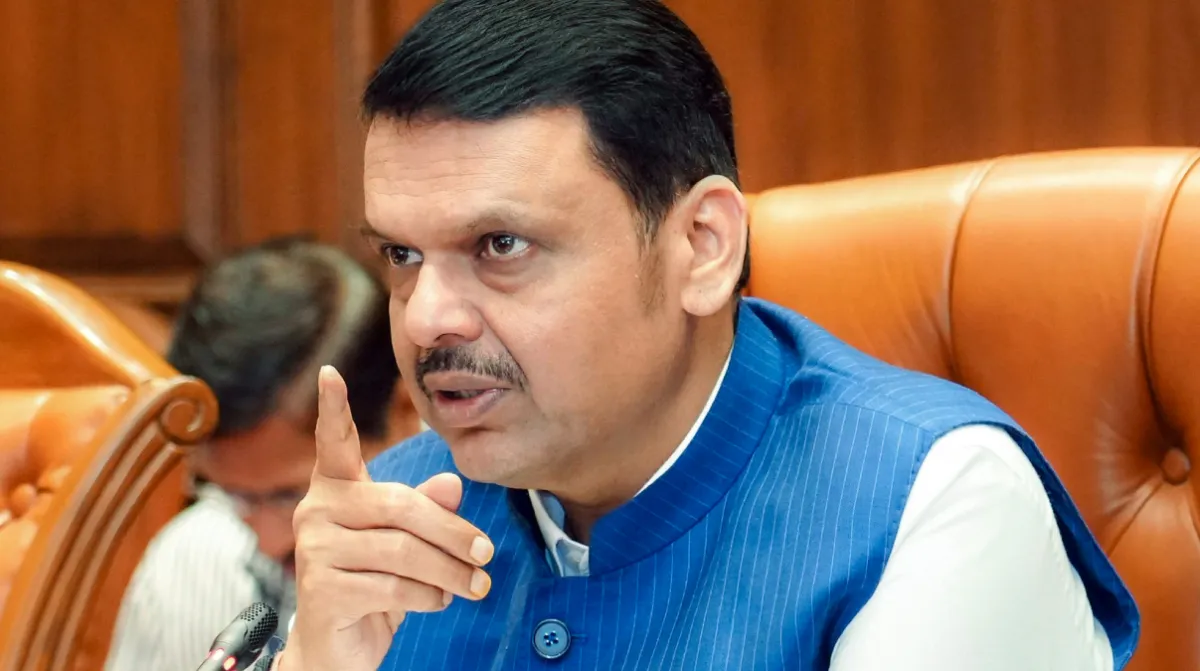
Earlier, Maharashtra Chief Minister Devendra Fadnavis said that certain establishments were taking advantage of this legal loophole to run dance bars, and that the government was committed to closing it.
Rules under new bill
If passed, the bill will ensure that establishments cannot operate dance bars merely by obtaining an orchestra or live music licence. All such venues will have to comply with the stringent provisions of the Maharashtra Dance Bar Act, 2016, including regulations related to licensing, operations, and the safety and protection of women.
The proposed amendment marks the Maharashtra government's latest effort to strengthen oversight of dance bars, an issue that has been the subject of prolonged legal and political disputes over the past two decades.
The government said the change is aimed at closing existing legal loopholes and ensuring that establishments cannot circumvent the 2016 dance bar law by obtaining licences under the Maharashtra Police Act.
