
Forget the ‘magic pills’. Bin the fad diets too. According to UK-based nutritionist Zib Atkins, the stuff that can genuinely support fat loss is far less glamorous and probably already sitting in your spice rack, half-used, slightly forgotten.
In an Instagram video posted on February 8, he broke down what he called his “5 spices to burn fat”, framing them not as miracle fixes but as tools that help the body do what it is already wired to do. Thermogenesis ticking up a notch. Blood sugar behaving itself. Appetite easing off a bit. Small physiological nudges that make the grind of a calorie deficit feel marginally less brutal. As he put it, “You need to know about these spices if you want to burn fat and optimise your health this year,” Zib explained while introducing the list.
Cayenne pepper
He starts with heat. The functional kind. “First up, cayenne pepper. It boosts your metabolism, reduces appetite and keeps you feeling full up for longer,” Zib noted, highlighting capsaicin as the compound doing the heavy lifting. It drives thermogenesis, meaning the body burns slightly more calories through heat production. Not dramatic enough to transform results overnight, but meaningful when layered into a wider deficit. Add in its mild appetite-dampening effect and it becomes less about fireworks, more about steady assistance.
Cinnamon
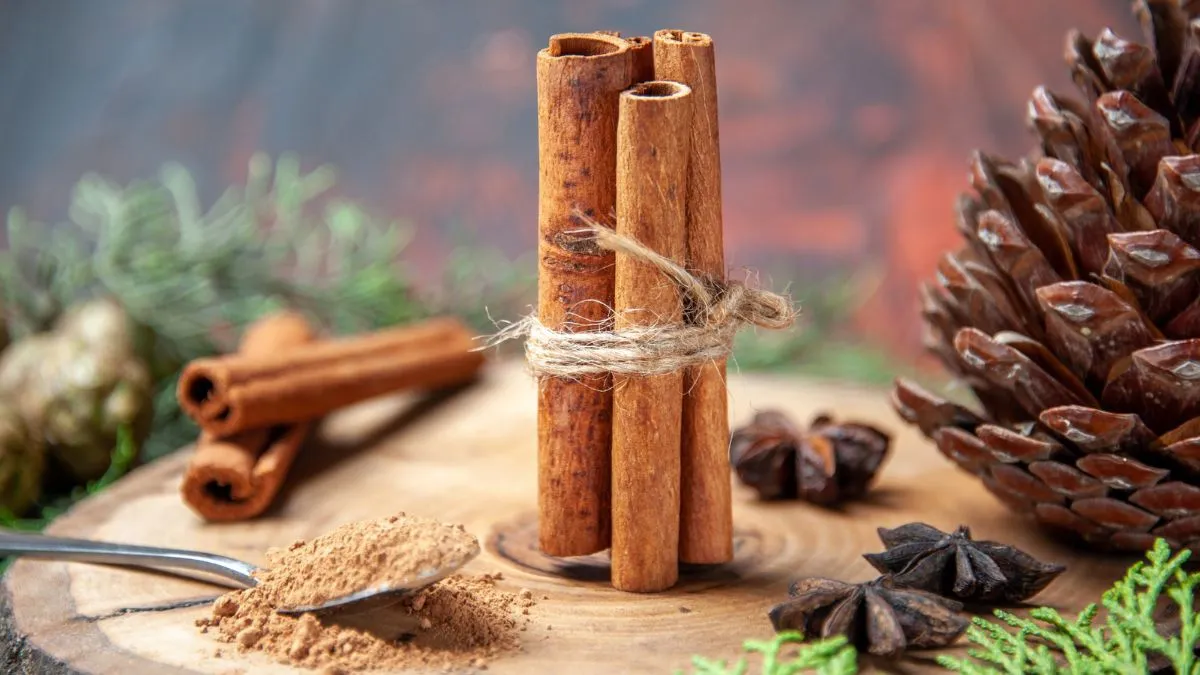
Blood sugar comes next. “Next, ceylon cinnamon. This actually controls your blood sugar and stops the insulin spikes that store fat,” he added. Research around Ceylon cinnamon, often labelled “true” cinnamon, links it to improved glycaemic control. In simple terms, carbs get processed with fewer spikes and crashes. That hormonal steadiness reduces the likelihood of excess energy being pushed into storage. Quiet metabolic housekeeping, but useful all the same.
Ginger
Then back to heat again. “Then, ginger. This is great for boosting thermogenesis, which increases the amount of calories that you burn,” Zib said, pointing to compounds like gingerol. These naturally raise body temperature slightly and may support digestion efficiency. Some evidence also connects ginger to improved satiety and lower inflammation levels. None of it extreme in isolation, but collectively supportive of a body that is nudged towards expenditure rather than storage.
Turmeric
From there, the focus shifts hormonal. “Then we’ve got turmeric, which is a powerful anti-inflammatory tool because it contains a compound called curcumin, which improves insulin sensitivity and helps your body burn sugars, not store them,” he explained. Curcumin sits at the centre of turmeric’s reputation. Its anti-inflammatory properties are well documented, but metabolically, its role in improving insulin sensitivity is where fat-loss support comes in. Better glucose handling means fuel gets used, not shelved. Pair it with black pepper and absorption rises sharply.
Black pepper
Which brings him neatly to the final spice. “Last one is black pepper. This stuff contains pipperin, which limits fat cells from being created and increases the breakdown of fat,” Zib said, referencing the compound piperine. Lab studies have explored its role in influencing adipogenesis, the formation of new fat cells, while also enhancing nutrient bioavailability. It is why turmeric and black pepper so often appear side by side in supplements and functional recipes.
The reality check
For all the metabolic upside, he kept expectations grounded. No shortcuts. No seasoning your way to visible abs. “Now, all of these work because these plants activate metabolic processes that your body already uses. They’re great tools to assist you on your journey. Just remember, they aren’t magic. You do still need to put in the work and be in a calorie deficit if you’re trying to burn fat,” Zib emphasised.
That remains the anchor point. These spices can support thermogenesis, appetite regulation, insulin response and inflammation control. All useful. All backed, to varying degrees, by nutritional science. But they operate in a supporting role, not the lead. Sustained calorie control, solid food choices and consistency still carry the outcome.
So yes, the spice rack can help. Just do not expect it to do the heavy lifting alone.
Disclaimer: Tips and suggestions mentioned in the article are for general information purposes only and should not be construed as professional medical advice. Always consult your doctor or a dietician before starting any fitness programme or making any changes to your diet.
ALSO READ: Ever wonder why others eat more but still lose weight? Expert explains
