
According to the World Health Organisation (WHO), in 2019, an estimated 301 million people had an anxiety disorder, which is 4.05% of the global population. WHO also states that the global prevalence of anxiety and depression increased by a massive 25% during the first year of the COVID-19 pandemic. Anxiety is characterised by feelings of worry, nervousness and uneasiness.
It is important to manage the symptoms of anxiety, and there are several ways to do so. Breathing exercises can be extremely beneficial in managing anxiety symptoms and calming the mind. Here are some easy breathing exercises that can be beneficial for your anxiety.
Box Breathing (4-4-4-4 Method)
This method requires you to inhale for 4 seconds, hold the breath for 4 seconds, exhale for 4 seconds and then again hold your breath for 4 seconds. It helps to create a calming rhythm that helps regulate the nervous system, reduce stress hormones and get back your focus.
Diaphragmatic Breathing
Sit or lie down comfortably and place one hand on your chest and the other on your abdomen. Breath deeply through the nose and make sure your belly rises more than your chest. Exhale slowly through pursed lips. This helps to activate the parasympathetic nervous system and lower the heart rate.
4-7-8 Breathing
Inhale through your nose for 4 seconds, hold the breath for 7 seconds and exhale slowly through the mouth for 8 seconds. This helps reduce anxiety by increasing your exhalation time, which eventually signals your brain to relax.
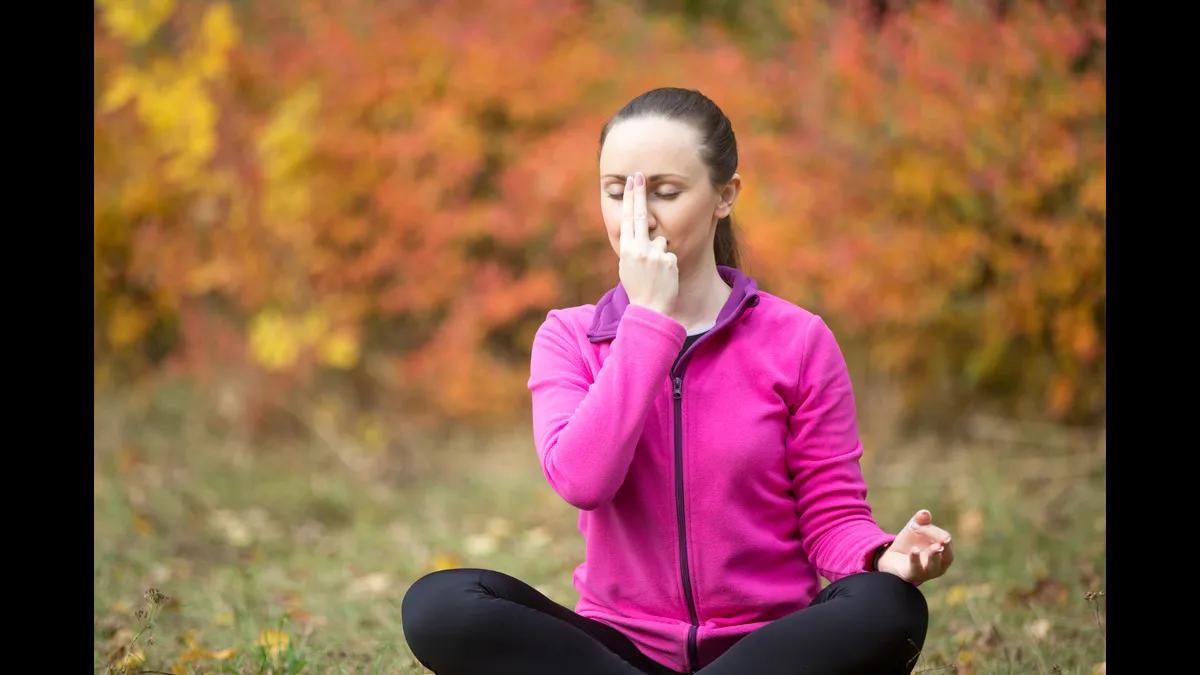
Alternate Nostril Breathing
Use your thumb and ring finger and close off one nostril and inhale through the other. Switch nostrils and exhale, then inhale through the same nostril, and switch again. This helps to balance the left and right sides of the brain, thereby helping calm the mind and improve your focus.
Pursed-Lip Breathing
Inhale through your nose for about 2 seconds, then exhale slowly through pursed lips (like you're blowing out a candle) for 4 seconds. This helps to slow your breathing and improve airflow, which can help reduce your anxiety.
ALSO READ: Peppermint tea to kombucha: 5 best drinks that can help reduce bloating
