
Monsoon season brings cooler temperatures and much-needed rain, but it also creates conditions that allow bacteria, fungi and other microorganisms to multiply more easily. This is why health experts often recommend paying extra attention to food hygiene during the rainy months.
In a video shared on the nutritionist's Instagram page, Nutty Over Nutrition, Kiran Kukreja revealed four vegetables she prefers to avoid during the monsoon due to their higher chances of contamination. She also suggested a few safer alternatives that can be included in a monsoon-friendly diet.
Leafy greens may carry more than just nutrients during the monsoon
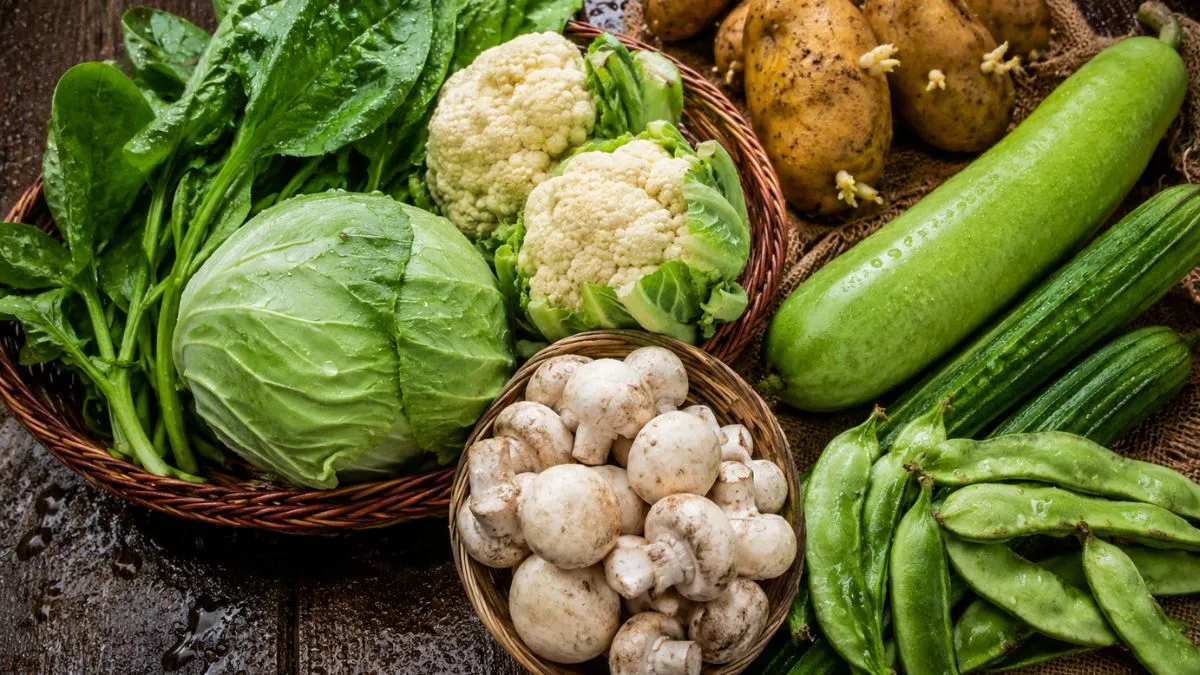
According to Kiran Kukreja, green leafy vegetables such as spinach are among the foods she avoids during the rainy season. While these vegetables are packed with vitamins and minerals, they can also harbour bacteria and other contaminants because of the damp weather. She explains that even thorough washing may not always remove all microorganisms, which can increase the risk of stomach infections and food poisoning.
Why do cabbage and cauliflower need extra care in the rainy season?
Kukreja also recommends being cautious with cruciferous vegetables such as cabbage and cauliflower. Their layered structure and tightly packed florets can trap moisture, dirt and bacteria, making them difficult to clean completely. During the monsoon, when humidity levels are high, these vegetables may be more prone to contamination, increasing the likelihood of digestive issues if not handled properly.
Mushrooms can become risky if not properly cleaned
Mushrooms are a popular ingredient in many dishes, but Kiran Kukreja says they require extra attention during the monsoon. Because they naturally grow in moist environments, mushrooms can be more susceptible to contamination. If they are not cleaned, stored or cooked properly, the risk of food poisoning may increase. She advises consumers to purchase fresh mushrooms from reliable sources and ensure they are thoroughly cleaned before cooking.
Don't ignore the warning signs on potatoes
Another food on Kukreja's avoid list is sprouted potatoes. When potatoes begin to sprout, they develop higher levels of solanine, a naturally occurring toxic compound. Consuming potatoes with visible sprouts can potentially lead to nausea, headaches and digestive discomfort. For this reason, she advises discarding sprouted potatoes and choosing fresh ones instead.
What should you eat instead?
While she advises caution with certain vegetables, Kukreja emphasises that there are plenty of monsoon-friendly options available. She recommends vegetables with relatively lower moisture content, such as bottle gourd (lauki), ridge gourd (turai), parwal, corn and cluster beans (gawar phali). These vegetables are generally considered safer choices during the rainy season and can be incorporated into a balanced diet.
Also read: Ayurvedic Monsoon Diet: Foods to eat and avoid during rainy season
