
Paying guest accommodation in some of Delhi's biggest education hubs could soon come under a formal regulatory framework. A proposed "Paying Guest Accommodation Regulation and Welfare Bill" seeks to bring PGs in areas such as Mukherjee Nagar, Laxmi Nagar, Rajendra Nagar and North Campus under common rules focused on student safety, rental practices and complaint resolution.
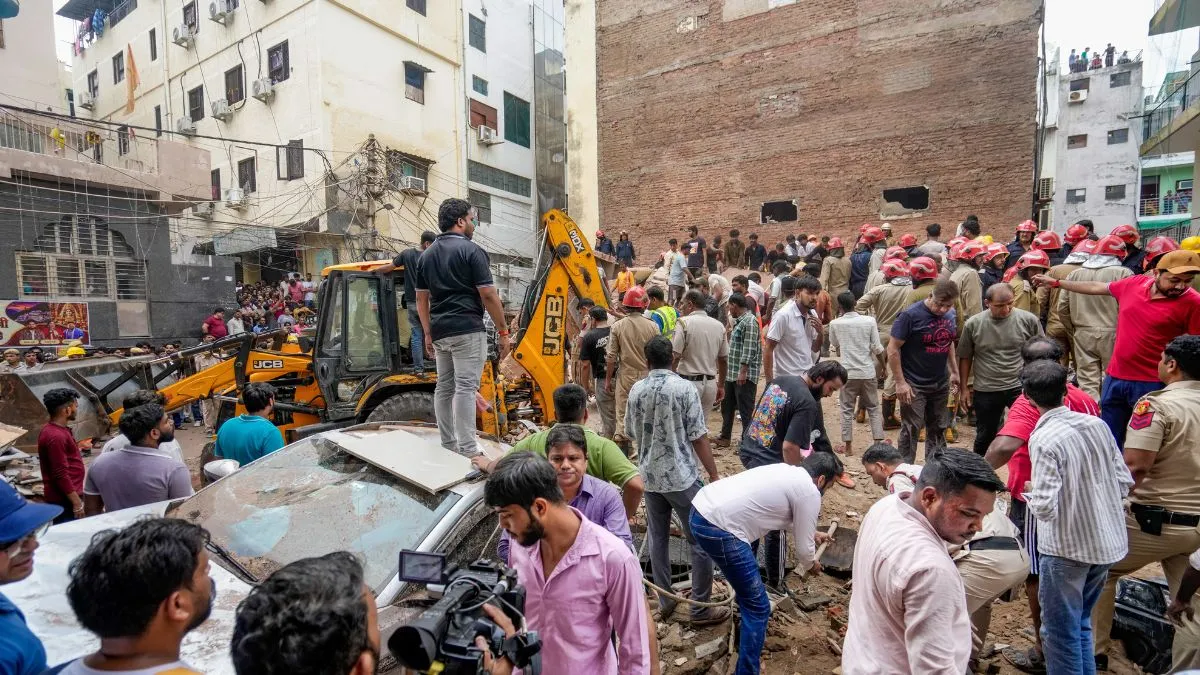
The proposal comes in the aftermath of the Satya Niketan tragedy, where a five-storey building housing students collapsed on September 6, killing seven people and injuring others. The incident has renewed attention on the safety of private student accommodation in Delhi.
Under the proposed system, every PG operating in Delhi would have to be registered. Operators would get 90 days to obtain an operating licence from the zonal authority, with the process requiring the necessary NOCs from the police, municipal corporation and local administration. Each registered property would then receive a unique PG Registration Number, or PGRN.
PG details could be available on one portal
The proposed GovPG portal would provide students with verified information about PG accommodation, including rent, facilities and safety arrangements. Compliance ratings for individual properties could also be displayed.
Students would additionally be able to file complaints anonymously through the portal, giving them a formal way to raise concerns about their accommodation.
New rules proposed for PG rents and deposits
The proposed bill seeks to bring greater control and transparency to PG rental practices through a Rent Regulation Committee, which would set area-wise rent bands.
Under the proposed rules:
- PG operators could take a maximum security deposit equivalent to three months' rent.
- Advance payments could not exceed three months.
- A 30-day notice would be mandatory when a resident leaves or is asked to vacate.
- Charging discriminatory rents based on gender, caste, religion or state of origin would not be allowed.
CCTV and security guards proposed for PGs
Safety requirements form a major part of the proposed framework. CCTV cameras would be mandatory at all entry points and common areas, with footage required to be preserved for 30 days.
For PGs housing 15 or more students, a security guard would have to be present during night hours. The proposal also calls for a visitor register and a warden to be available within a 500-metre radius.
Colleges and coaching centres may have a role
The proposal calls for an Institutional Accommodation Committee, or IAC, involving representatives from educational institutions and local authorities. It would include faculty members, student representatives, police personnel and municipal body representatives.
The committees would inspect PGs every quarter. The proposed framework also sets a 15-working-day timeline for resolving disputes.
Compliant PG operators could get incentives
The proposed system also includes incentives for operators that consistently follow the rules. PG owners maintaining satisfactory compliance for two consecutive years could be eligible for:
- Property tax concessions
- Easier access to loans
- A "Certified Student-Friendly PG" badge
The proposal also suggests approaching the GST Council to seek GST relief.
Proposal highlights safety gaps in Delhi PGs
The proposed bill points to several problems in the existing PG system, including the 2024 basement accident in Old Rajendra Nagar and a fire and safety violations at a PG in Mukherjee Nagar.
It also refers to complaints involving sexual harassment, hidden cameras and arbitrary electricity bills. These incidents and concerns have highlighted the need for a safer and more structured accommodation system for students living away from home.
Implementing the rules could prove challenging
The proposal acknowledges that putting the framework into effect could present several practical difficulties. These include bringing small and informal PG operators into the registration system, obtaining NOCs from multiple agencies, operating the proposed portal and determining area-wise rent bands.
To address these concerns, the proposal suggests single-window clearance, phased implementation and dedicated coordinators.
The overall aim of the proposed legislation is to establish minimum safety standards for PG accommodation in Delhi, create greater transparency around rents and provide students with a more effective mechanism for registering and resolving complaints.
ALSO READ:
After Satya Niketan collapse, NHRC pushes Delhi government, UGC to address DU hostel shortage