
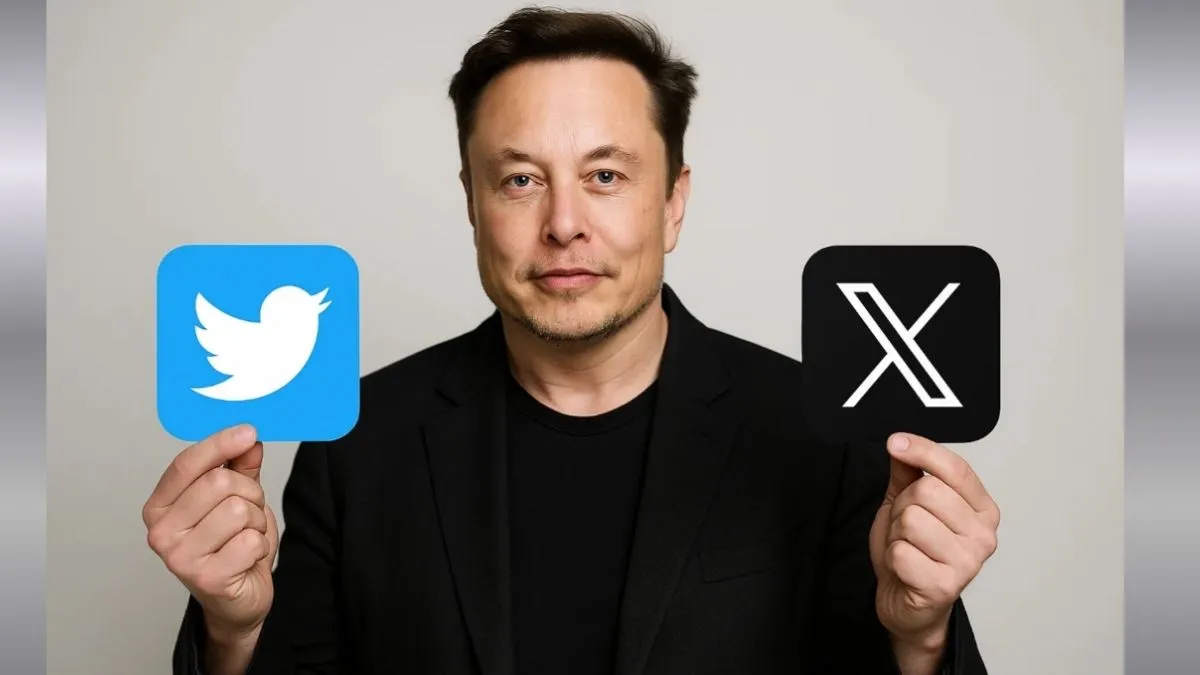
One of the biggest shifts in tech history took place two years back, on the same date as today. It was back in July 24, 2023, when Twitter officially became X. It was renamed after the billionaire Elon Musk acquired Twitter in October 2022 for USD 44 billion. Since the takeover, Musk has been making major changes to the microblogging platform, from staff cuts to introducing paid verificatio,n budget and new content policies.
But the most talked-about change came when Musk replaced Twitter’s iconic blue bird logo with a simple black-and-white X. According to Musk, this was not just a logo update — it was part of his larger plan to transform Twitter into an ‘everything app’, similar to WeChat in China, combining social networking, messaging, payments, audio, video, and more.
What is the link between Elon Musk and the letter X?
Musk’s love for the letter ‘X’ is nothing new. He had previously used it in SpaceX, x.com (which later became PayPal), and even in his child’s name. The rebranding move, though bold, received mixed reactions from the platform users. Many users and branding experts called it risky, as the Twitter brand was globally recognised and deeply connected to social culture.
Still, Musk tweeted confidently, “Twitter was just a name. X is the future of unlimited interactivity.”
Changes made to Twitter after being bought by Musk
Here are the 5 biggest changes Elon Musk has incorporated since buying Twitter (now X) in October 2022:

1. Rebranding Twitter to ‘X’
- The most high-profile change came in July 2023, when Elon Musk dropped the Twitter name and iconic blue bird logo, rebranding the platform as “X”.
- Musk positioned ‘X’ as an ‘everything app’, inspired by China's WeChat — combining messaging, social media, payments, audio, and video.
2. Introduction of paid Verification (Twitter Blue tick badge)
- Musk replaced the old verification system with Twitter Blue, a paid subscription model starting at Rs 650/month in India (or USD 8 in the US).
- Anyone can get a blue tick by paying, which drastically changed how authenticity and influence are perceived on the platform.
3. Mass layoffs and leadership reshuffle
- Right after the acquisition, Musk fired top executives, including the CEO, CFO, and legal head.
- Over 75 per cent of Twitter’s global workforce was laid off or left voluntarily, changing the company’s structure and culture overnight.
4. Loosening of content moderation policies
- Musk promoted ‘free speech’ and reinstated previously banned accounts, including Donald Trump’s.
- This led to a spike in hate speech complaints and advertiser pullback, affecting Twitter’s revenue and brand safety.
5. Monetisation for Creators and longer posts
- Musk introduced ad revenue sharing for creators and allowed longer tweets (up to 25,000 characters for paid users).
- The platform now supports long videos, including full episodes, podcasts, and documentaries.