
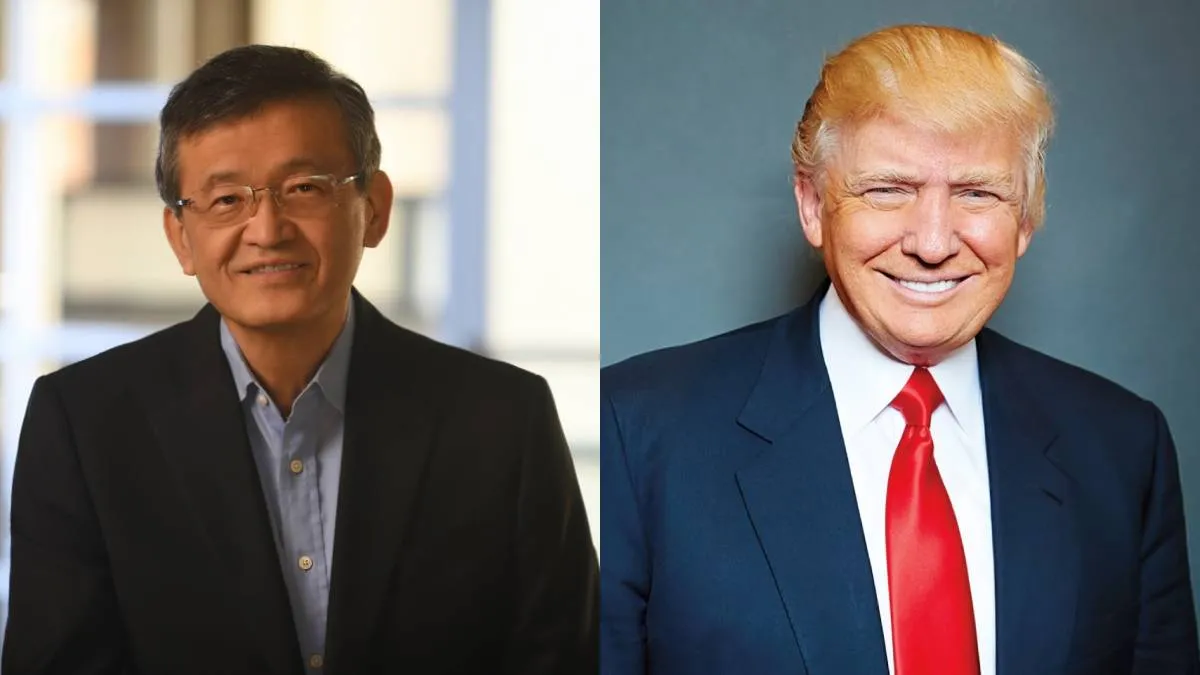
On Friday, President Donald Trump publicly demanded the immediate resignation of Intel's new CEO, Lip-Bu Tan, citing national security concerns. The call was made in a post on his social media platform, Truth Social. "The CEO of Intel is highly CONFLICTED and must resign, immediately," Trump wrote. "There is no other solution to this problem. Thank you for your attention to this problem”!

Senator Tom Cotton's allegations
Trump's demand followed a letter from Senator Tom Cotton to Intel Chairman Frank Yeary, in which the senator expressed concern over Mr. Tan's alleged financial ties to Chinese companies. Cotton specifically questioned whether Tan had divested his interests in these firms to avoid conflicts of interest. The senator's letter claimed that Tan "reportedly controls dozens of Chinese companies and has a stake in hundreds of Chinese advanced-manufacturing and chip firms," with at least eight of these companies allegedly having ties to the Chinese People's Liberation Army.
Cotton also highlighted Mr. Tan's recent leadership role at Cadence Design Systems. In July, that company admitted to violating U.S. export controls by selling its products to China's National University of Defence Technology, a key institution for the Chinese military.
Intel's context and market reaction
Intel, a major recipient of over $8 billion in federal funding from the Biden administration's CHIPS Act. Following the news, shares of the California-based company fell by 3 per cent, while the broader market, including the tech-heavy Nasdaq, saw gains.
Founded in 1968, Intel has a long history as a leader in the PC market but has struggled to keep up with recent technological shifts. The company famously missed the rise of mobile computing and has since been surpassed by competitors like Nvidia in the booming field of artificial intelligence. Mr. Tan, who became CEO in March, has been tasked with turning the company around through cost-cutting measures and shedding thousands of workers, even as Intel works to rebuild its domestic manufacturing capabilities.
ALSO READ: OpenAI launches GPT-5, targets India as its largest market: How it differs from GPT-4