
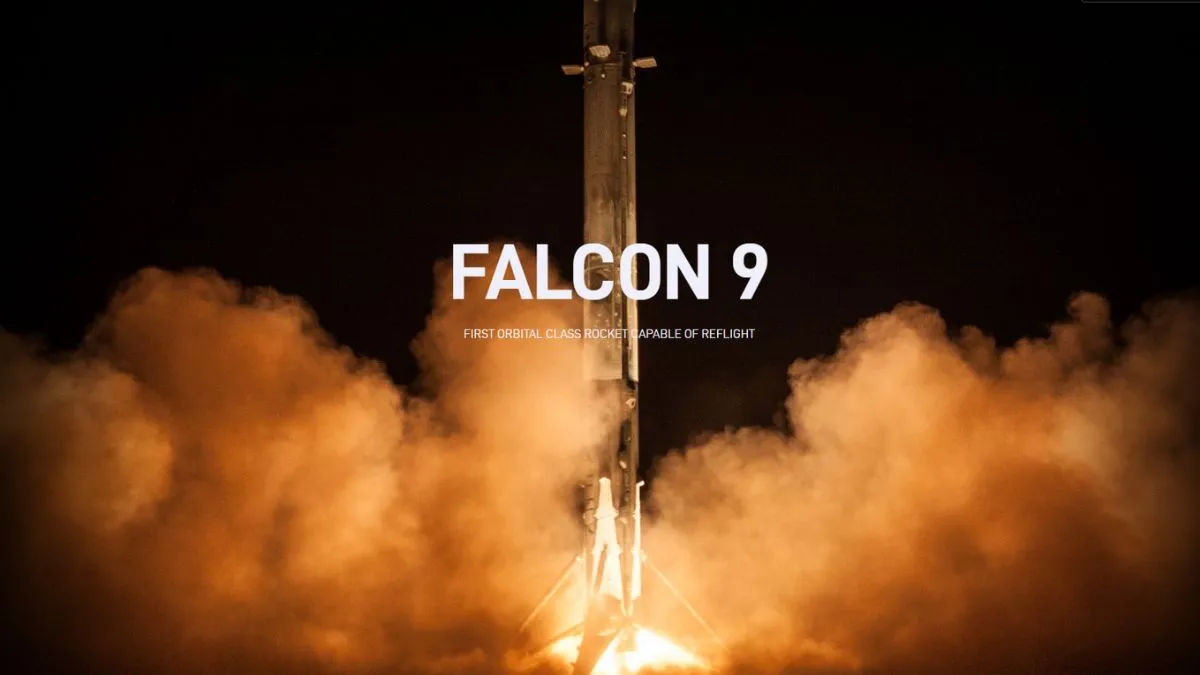
SpaceX, a private space agency from Elon Musk, has turned heads again by sending 29 more Starlink satellites into low Earth orbit. On January 18, 2026, right at 6:31 p.m. EDT, the Falcon 9 rocket shot up from Space Launch Complex 40 at Cape Canaveral in Florida.
Falcon 9 launches 29 Starlink satellites
They are not slowing down this year. Every launch keeps piling onto their Starlink internet network, and at this pace, 2026 is shaping up to be another big year for SpaceX.

How the mission unfolded
About 9 minutes after liftoff, Falcon 9’s upper stage settled into its parking orbit. Then it coasted a bit, fired up the Merlin engine one more time, and got set for the main event: satellite deployment. Not long after, all 29 satellites popped free into low Earth orbit. Over the next few weeks, they’ll drift into their assigned spots, joining the ever-growing Starlink constellation.
Booster B1080 nails its 24th flight
One of the real showstoppers was the first-stage booster, B1080, which made its 24th trip to space—and came back safe.
SpaceX keeps proving that reusing rockets isn’t just possible; it’s routine now. After doing its job, B1080 dropped back through the atmosphere and stuck the landing on the droneship “A Shortfall of Gravitas” out in the Atlantic. Landing legs down, touchdown smooth as ever.
Starlink keeps getting bigger
With this launch, there are now more than 9,500 active Starlink satellites up there, according to the Jonathan Space Report. The goal? Get fast, reliable internet to places that regular broadband just can’t reach—think remote villages, rural communities, and even passengers on aeroplanes. Starlink’s also moving into direct-to-cell satellite service, which should help fill coverage gaps in rural and disaster-hit areas.
SpaceX’s rapid-fire launches in 2026
This was SpaceX’s 8th launch of the year 2026, and we are still in January. Since that first Falcon 9 flight back in 2010, they’ve racked up over 590 launches. Right now, no other company comes close—SpaceX is firmly at the top when it comes to getting rockets off the ground.