
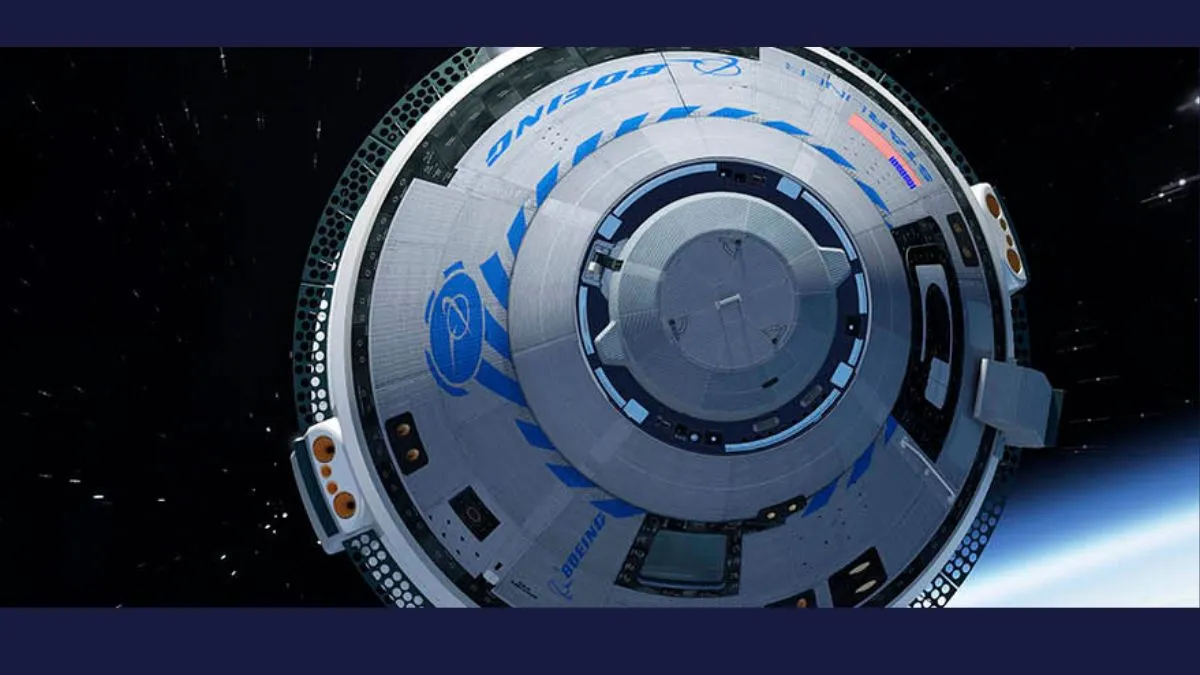
Boeing’s Starliner spacecraft has been officially grounded by NASA until at least 2026 following its problematic first crewed test flight in June 2024. The flight, which was supposed to validate the capsule’s readiness for routine missions, was cut short after the discovery of multiple technical issues, including helium leaks and thruster malfunctions. For safety reasons, NASA chose to bring the capsule back to Earth without astronauts on board.
Technical failures led to emergency measures
During the flight, five of Starliner’s 28 fine-control thrusters failed as it approached the International Space Station. Engineers traced the issue to overheating in the thruster “doghouse” enclosures, caused by seal and thermal protection failures. Additionally, helium pressurisation leaks were detected in the service module, further complicating the mission.
To investigate, Boeing and NASA extended the astronauts’ stay aboard the ISS and initiated intensive diagnostics and ground testing. New thermal shields and insulation barriers have been added to prevent similar failures in future flights.
Another uncrewed flight is likely before crewed missions resume
NASA has confirmed that Starliner may require another uncrewed test flight before being certified for operational crew rotations. Originally contracted at $4.2 billion, the program has now exceeded $6 billion due to delays and redesigns.
Starliner still key to NASA’s plans
Despite setbacks, NASA continues to view Starliner as an essential backup to SpaceX’s Crew Dragon, which has already completed 11 successful crewed missions to the ISS. NASA hopes to certify Starliner for full service by late 2025 or early 2026.

The grounding of Boeing's Starliner until 2026 highlights the high stakes and complexity involved in human spaceflight. While the delays are a significant setback for Boeing and NASA's Commercial Crew Program, the agency remains committed to ensuring astronaut safety above all. With continued testing and improvements, Starliner could still play a vital role in providing the United States with multiple reliable options for transporting astronauts to space.