
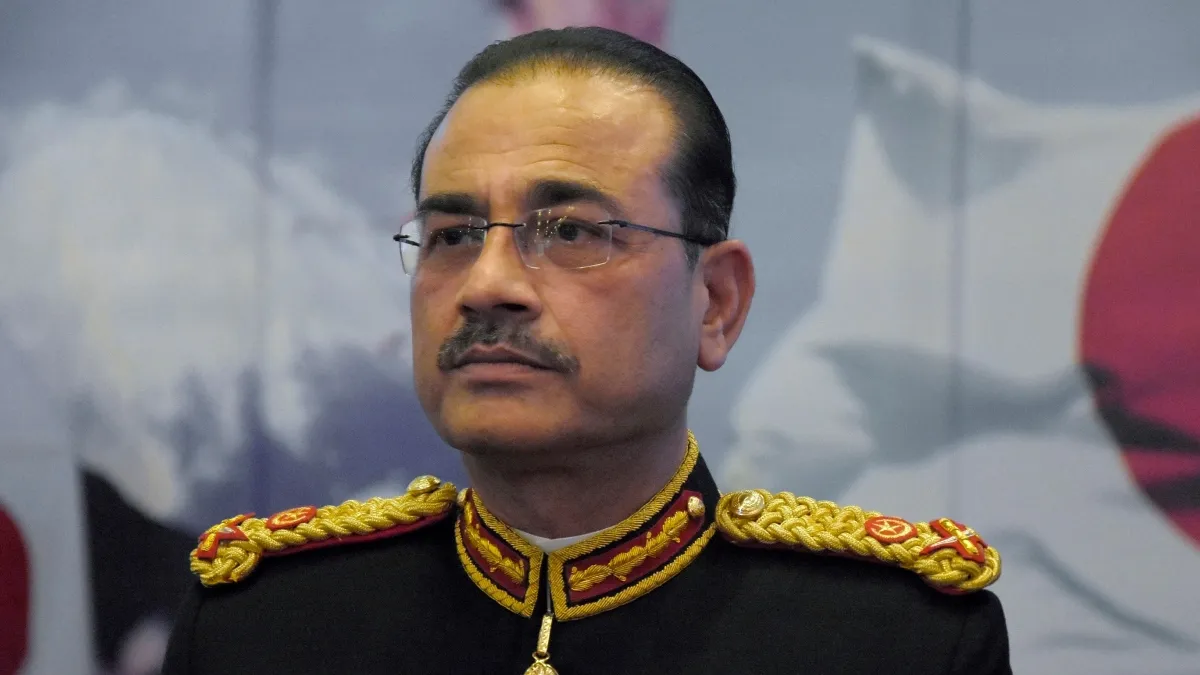
Pakistan Army chief Field Marshal Asim Munir on Thursday termed the Indus Water Treaty as a 'red line', saying that Islamabad would never compromise on the water issue, as it is linked to the basic rights of the country's 240 million people. Munir's remarks came as he was addressing vice-chancellors of different universities, principals, and senior teachers and educators, according to the army. “Pakistan will never accept Indian hegemony,” he said.
“Water is Pakistan's red line, and we will not allow any compromise on this basic right of 240 million Pakistanis,” he said, referring to India's move to keep the Indus Water Treaty in abeyance in the aftermath of the Pahalgam terror attack.
Tensions between India and Pakistan escalated after the April 22 Pahalgam attack, which claimed 26 lives.
'IWT will remain in abeyance until...': MEA
Moreover, India has asserted that the Indus Waters Treaty with Pakistan will remain in "abeyance" until Islamabad "credibly and irrevocably" abjures support to cross-border terrorism as "water and blood" cannot flow together.
External Affairs Ministry spokesperson Randhir Jaiswal also said that any bilateral talks with Islamabad will only be on the vacation of illegally occupied territories of Kashmir by Pakistan.
India carried out precision strikes as part of Operation Sindoor on terror infrastructure in Pakistan and Pakistan-occupied Kashmir in the early hours of May 7.
India struck Pakistan's military assets
The major action took place between the two sides on the intervening night between May 9th and 10th. It continued till the afternoon of May 10th, when air bases along the length and breadth of Pakistan were targeted by India.
After India had attacked terror bases in Pakistan on the night of May 6th-7th, including the terror hubs in Bahawalpur and Muridke in Pakistani Punjab, the Pakistani side retaliated by firing missiles at military targets in India, which failed to leave a mark due to a strong multi-tier air defence system.
The fear of India's S-400 from the May 6-7 night had forced them to go deep within a narrow Pakistan airspace, and hiding behind civilian aircraft was being adopted as a deliberate tactic by them.
It was followed by Pakistan’s attempt to attack Indian military bases on May 8, 9, and 10. The Indian side responded strongly to the Pakistani actions.
The on-ground hostilities ended with an understanding of stopping the military actions following talks between the directors general of military operations of both sides on May 10.
Also Read | 'India targeted airbases with BrahMos before Pakistan could act': Shehbaz Sharif's big admission | Report
Also Read | Pakistan rocked by 6 earthquakes in May alone, repeated seismic activities hint towards sinister pattern
