
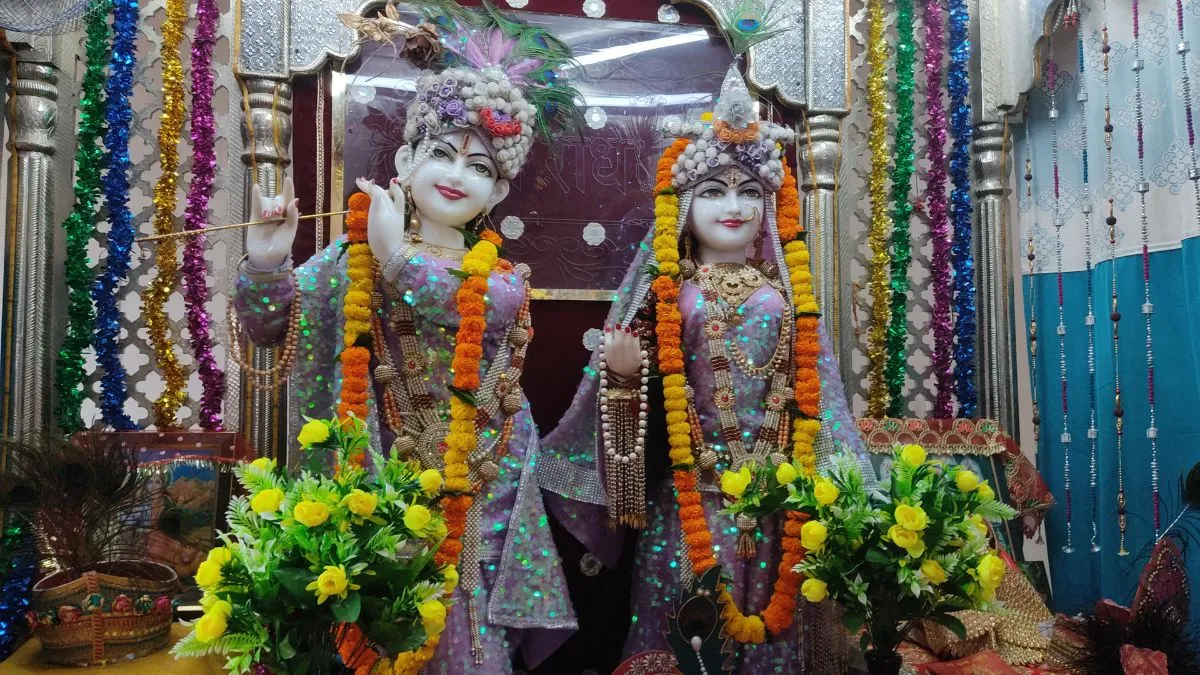
Krishna Janmashtami, the sacred Hindu festival marking the birth of Lord Krishna, is celebrated each year on the Ashtami Tithi of Krishna Paksha in the month of Bhadrapada. Devotees worship Laddu Gopal with traditional rituals, keep fasts, swing the deity in decorated cradles, and engage in bhajan-kirtan (devotional singing).
Read more: Krishna Janmashtami 2025: Rare yogas to bring big luck for these signs
On this holy day, it is considered highly auspicious to chant the 108 names of Lord Krishna. Scriptures and devotees alike believe that reciting these names invites Shri Krishna’s blessings, grants mental peace, and strengthens spiritual energy. Many observe this practice at home in a peaceful space, while others visit temples to chant in the company of fellow devotees.
See also: 56 Bhog for Janmashtami: Complete list of sweets, snacks and main dishes
Benefits of chanting Krishna’s 108 names
- Invokes divine grace and blessings from Lord Krishna
- Brings mental peace and emotional stability
- Enhances spiritual strength and focus
- Considered auspicious when followed by charity to the needy
List of 108 names of Lord Krishna
- Krishna
- Kamalnath (Lord of the Lotus)
- Vasudev
- Sanatan (Eternal One)
- Shreevatsa Kaustubhdharay (Bearer of sacred marks)
- Vasudevatmaj (Son of Vasudev)
- Punya (Virtuous One)
- Nandgopa Priyatmaj (Beloved son of Nand)
- Leela Manush Vigrah (One with a divine human form)
- Yashodavatsal (Beloved of Yashoda)
- Hari
- Chaturbhujatt Chakrasi Gada (Four-armed bearer of weapons)
- Nandvraj Jananandin (Joy of Nand’s village)
- Sankhambuja Yudayujay (Bearer of conch and lotus)
- Devakinandan (Son of Devaki)
- Shreeshay
- Yamunavega Sanhar (Destroyer of Yamuna’s currents)
- Balabhadra Priyanuj (Dear brother of Balarama)
- Putna Jeevit Har (Slayer of demoness Putana)
- Shakatasur Bhanjan (Destroyer of Shakatasura)
- Nandvraj Jananandin
- Shukvagamritabdindave (Ocean of nectar for Shukadeva)
- Sachchidanand Vigrah (Embodiment of truth, consciousness and bliss)
- Navneet Viliptang (Smeared with butter)
- Navneetnatan (Butter dancer)
- Muchukund Prasadka (Blesser of Muchukunda)
- Shodashastri Sahasresh
- Tribhangi (Three-fold bending form)
- Madhurakrit (Sweet form)
- Govind
- Yogipati (Lord of Yogis)
- Vatsavati Charay
- Anant (Infinite One)
- Dhenukasur Bhanjanay (Destroyer of Dhenukasura)
- Trini Krit Trinavartay (Destroyer of Trinavarta)
- Yamalarjun Bhanjan (Breaker of twin Arjuna trees)
- Uttalottal Bhetre
- Tamal Shyamala Krita (Dark as tamal tree)
- Gop Gopishwar (Lord of gopas and gopis)
- Yogi
- Kotisurya Samaprabha (Radiant as millions of suns)
- Ilapati
- Paranjyotish (Supreme light)
- Yadavendra (Leader of Yadavas)
- Yadoodvahay
- Vanamaline (Wearer of forest garland)
- Pitavasase (Clad in yellow garments)
- Parijatapaharakay (Stealer of Parijat flower)
- Govardhanachaloddhartre (Lifter of Govardhan Hill)
- Gopal (Protector of cows)
- Sarvapalkay (Protector of all)
- Ajay (Unborn)
- Niranjan (Pure One)
- Kamjanak (Source of desire)
- Kanjalochanay (Lotus-eyed)
- Madhughne (Slayer of Madhu demon)
- Mathuranath (Lord of Mathura)
- Dwarkanayak (Lord of Dwarka)
- Bali
- Vrindavanant Sancharine (Wanderer in Vrindavan)
- Tulsidam Bhushanay (Adorned with Tulsi garland)
- Syamantakamner Hartre (Stealer of Syamantaka gem)
- Narnarayanatmakay
- Kubja Krishnambaradharaya (Blesser of Kubja)
- Mayine (Master of illusion)
- Param Purush (Supreme Being)
- Mushtikasur Chanur Mallayuddha Visharad (Expert in wrestling demons)
- Sansar Vairi (Enemy of materialism)
- Kansarir (Slayer of Kansa)
- Murari (Slayer of Mura demon)
- Narakantak (Destroyer of Narakasura)
- Anadi Brahmachari (Eternal celibate)
- Krishnavyasan Karshak
- Shishupal Shirashchett (Beheader of Shishupala)
- Duryodhan Kulantakrit (Destroyer of Duryodhana’s clan)
- Vishwaroop Pradarshak (Revealer of universal form)
- Satyavache (Speaker of truth)
- Satya Sankalp (True to resolve)
- Satyabhama Rata (Beloved of Satyabhama)
- Jayee (Victorious One)
- Subhadra Purvaja (Brother of Subhadra)
- Vishnu
- Bhishma Mukti Pradayak (Granter of liberation to Bhishma)
- Jagadguru (Teacher of the world)
- Jagannath (Lord of the universe)
- Venunad Visharad (Expert in flute playing)
- Vrishabhasur Vidhvamsi (Destroyer of Vrishabhasura)
- Banasur Karantakrit (Slayer of Banasura)
- Yudhishthir Pratishthatre (Protector of Yudhishthira’s throne)
- Barhibarhavatamsaka (Adorned with peacock feather)
- Parthasarathi (Charioteer of Arjuna)
- Avyakt (Unmanifest)
- Geetamrit Mahodadhi (Ocean of the Gita’s nectar)
- Kaliya Phani Manikya Ranjit Shripadambuja (Feet adorned with Kaliya’s jewel)
- Damodar (Bound by love with rope)
- Yagyabhokta (Enjoyer of sacrifices)
- Danavendra Vinashak (Destroyer of demon kings)
- Narayan
- Parabrahma (Supreme absolute)
- Paratparay (Beyond the highest)
- Pannagashan Vahan (Rider of serpent)
- Jalakrida Samasakta Gopivastrapaharak (Stealer of gopis’ clothes during water play)
- Punya Shlok (One of sacred verses)
- Teerthkara (Creator of holy places)
- Vedavedya (Known through Vedas)
- Dayanidhi (Ocean of compassion)
- Sarvabhutatmaka (Soul of all beings)
- Sarvagrah Rupi (Embodiment of all planets)
How to chant the 108 names of Krishna
- Sit in a clean, peaceful spot or visit a temple
- Use a tulsi mala (rosary) for counting
- Recite each name slowly with devotion
- After completion, offer charity or food to the needy
Also try: Krishna Janmashtami 2025 mantras for devotion, peace and blessings
FAQs on Krishna Janmashtami 2025
Q1: When is Krishna Janmashtami in 2025?
Krishna Janmashtami will be celebrated on 16 August 2025 as per the Hindu Panchang, with Nishita Puja Muhurat falling on the night of 17 August.
Q2: Why chant 108 names of Lord Krishna?
Hindu tradition holds that chanting Krishna’s 108 names brings mental peace, spiritual strength, and divine blessings.
Q3: Can I chant Krishna’s names at home?
Yes, you can chant at home in a calm place or in a temple. Using a tulsi mala is considered more auspicious.
Q4: Should charity be given after chanting?
Yes, giving charity after chanting is believed to multiply the benefits and bring good karma.
Explore: Krishna Janmashtami 2025: Tulsi remedies for wealth, happiness and divine blessings
(Disclaimer: The information above is based on religious beliefs and traditions. There is no scientific evidence to support these claims. India TV does not confirm the factual accuracy of these beliefs.)
