
For many vegetarians, protein often begins and ends with paneer and dal. It is familiar, easy, and works. But over time, relying on just one or two sources can limit how much your body actually benefits from what you eat. That is where variety starts to matter. Nutritionist Khushi Chhabra recently pointed this out in a reel, noting that while paneer is healthy, it should not be the only protein on your plate.
Because when it comes to nutrition, diversity does more than just add flavour. It changes how your body absorbs and uses nutrients.
Why protein diversity matters
Protein is not just about quantity. It is also about quality. Different vegetarian foods provide different amino acids, vitamins and minerals. When combined across meals, they support muscle recovery, improve satiety and help maintain metabolic balance. In simple terms, the more varied your sources, the better your body responds.
8 vegetarian protein sources to include
Here are some options that go beyond the usual and are easy to add to everyday meals:
Tofu
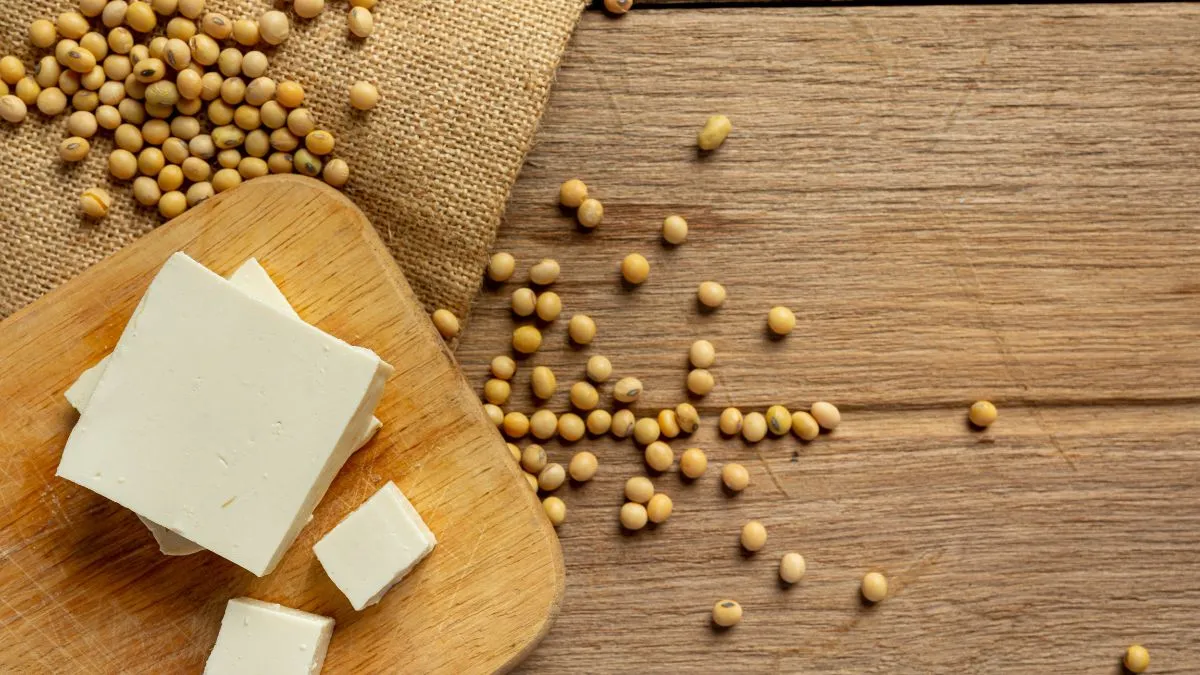
A staple in many Asian diets, tofu is rich in plant protein and calcium. It absorbs flavours easily, making it versatile for both Indian and global recipes.
Tempeh
Less common but worth trying, tempeh is a fermented soy product. It not only provides protein but also supports gut health.
Edamame
These young soybeans are a complete protein and surprisingly filling. They work well as a snack or salad addition.
Greek yogurt or hung curd
Thicker than regular curd, this option is high in protein and contains probiotics that support digestion.
Quinoa
Often called a super grain, quinoa contains all essential amino acids, making it a complete protein source.
Amaranth (rajgira)
An ancient grain that is rich in protein, iron and fibre. It is especially popular during fasting periods but works well year-round.
Hemp seeds
Small but nutrient-dense, hemp seeds provide protein along with healthy fats and minerals. Easy to sprinkle over salads or smoothies.
Milk and dairy proteins
Milk naturally contains whey and casein, both high-quality proteins that support muscle repair and sustained energy.
It’s not about replacing paneer
Paneer is still a good source of protein. The idea is not to remove it, but to stop relying on it alone. Think of your meals as a mix rather than a routine. A little tofu one day, some quinoa the next, maybe seeds added to your breakfast. It does not need to be complicated.
A well-balanced vegetarian diet is less about restriction and more about variety. When you spread your protein sources across different foods, you are not just eating better, you are giving your body more ways to stay strong, recover well and feel full longer.
And that shift, small as it sounds, can make a noticeable difference over time.
Also read: Shilpa Shetty’s quick fried rice recipe is healthy and easy | WATCH
