
High blood sugar, also known as diabetes, happens when your body doesn't produce enough insulin or the insulin produced isn't used effectively. This eventually causes your blood sugar levels to increase, which can impact your overall health.
Diabetes is usually a chronic condition; however, it can be managed with medicines and/or lifestyle modifications. Your diet plays a major role in lowering your blood sugar levels. Eating the right food and having a healthy lifestyle can help reduce blood sugar and, in some cases, also reverse the condition. Here are some vegetables that can help prevent diabetes and lower blood sugar levels.
Vegetables to lower blood sugar levels
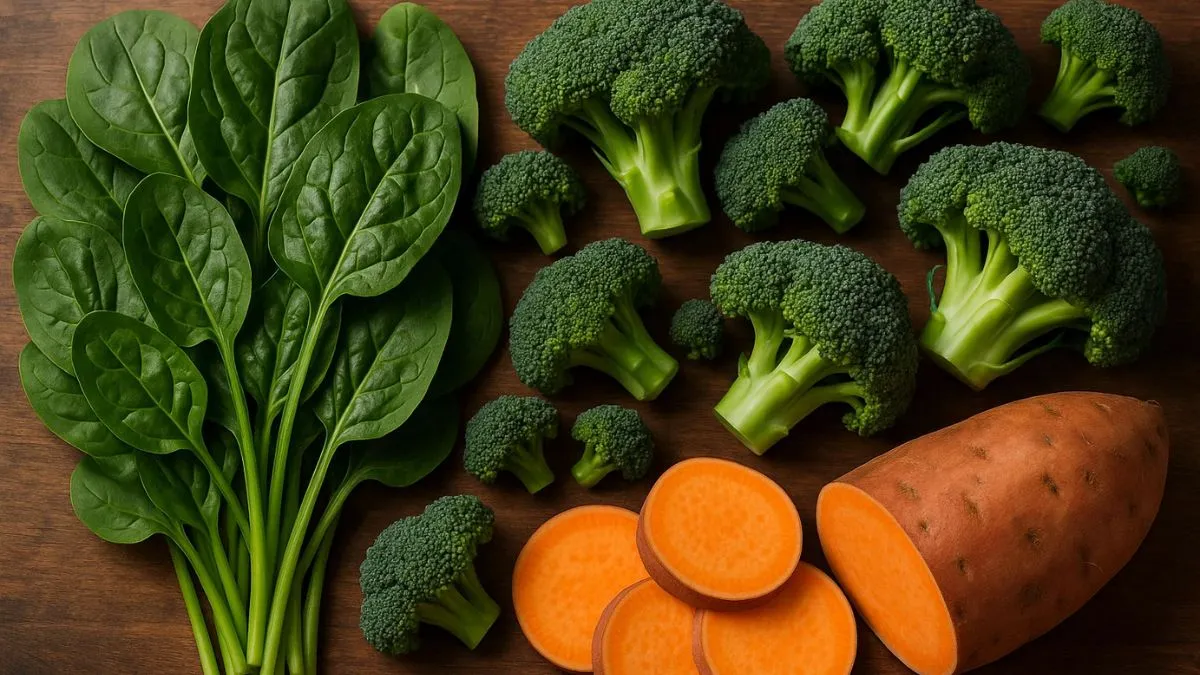
- Spinach: This vegetable is low in carbohydrates and calories but high in fiber, magnesium, and vitamin K; all of which help in blood sugar regulation. Spinach also contains alpha-lipoic acid, which is an antioxidant that can improve insulin sensitivity.
- Okra (Lady's Finger): Okra is a powerhouse of soluble fiber, which helps slow down digestion and sugar absorption. It also contains compounds like myricetin that help in controlling blood sugar.
- Bitter Gourd: Bitter gourd contains polypeptide-p, which is an insulin-like compound, and charantin, both of which have been found to help lower blood sugar levels. It’s widely used in traditional remedies for managing diabetes.
- Broccoli: Broccoli is packed with sulforaphane, which is a plant compound known for its anti-inflammatory properties and ability to lower blood sugar. Broccoli is a diabetes-friendly superfood. It's also high in fiber, which slows glucose absorption and prevents sugar spikes.
- Sweet Potato: Unlike regular potatoes, sweet potatoes have a lower glycemic index and are rich in fiber and antioxidants. They release sugar more gradually into the bloodstream, thereby preventing sudden spikes in glucose levels.
Disclaimer: Tips and suggestions mentioned in the article are for general information purposes only and should not be construed as professional medical advice. Always consult your doctor or a dietician before starting any fitness programme or making any changes to your diet.
ALSO READ: 4 Milk powder face packs that’ll save your skin this monsoon
