
Kidney disease cases have been on the rise, with nearly 850 million people having some form of kidney disease. It is also one of the leading causes of death across the world. People with kidney disease or kidney damage need to be extremely careful about their diet because everything that they eat has an impact on the kidneys.
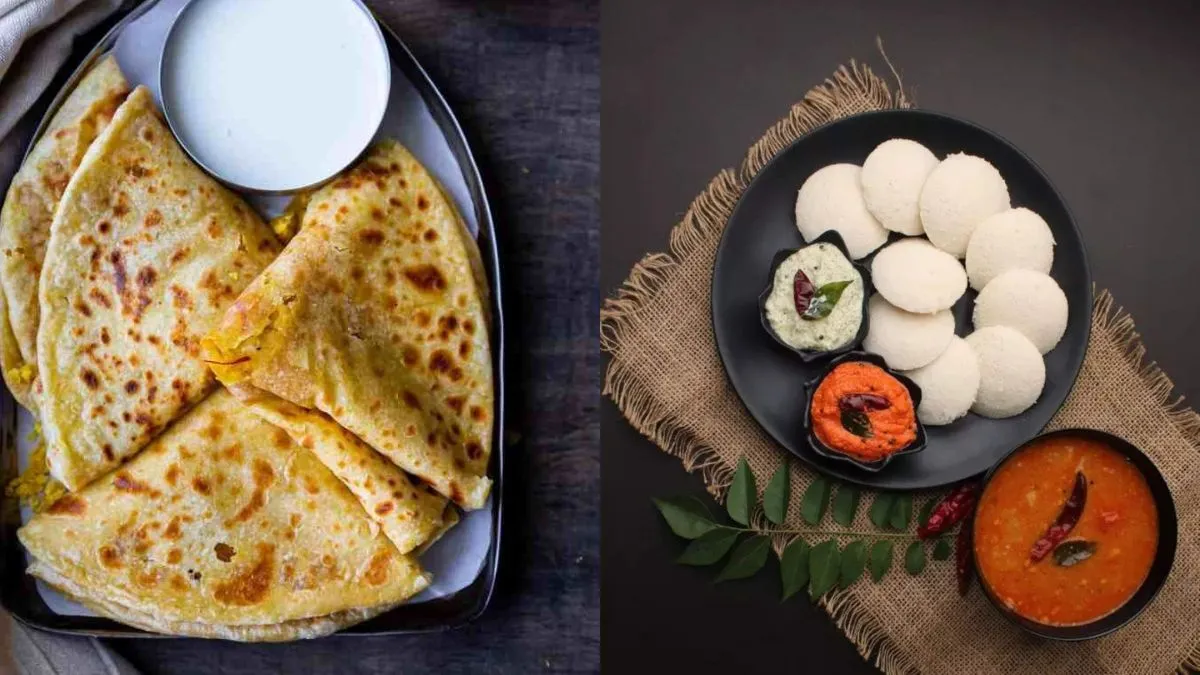
Both South Indian and North Indian cuisines have several breakfast options, but some are better suited for people with kidney disease or kidney damage. If you’re confused about which one to choose, read on to know which of the two is kidney-friendly.
South Indian vs North Indian breakfast
Protein Content
South Indian breakfasts usually have lentils in dosa batter or sambar, which gives you plant protein. North Indian meals may use paneer, curd, or legumes. Since excess protein can strain the kidneys, it is important that you control your portion sizes in both cuisines.
Oil and Fat
North Indian breakfasts like puri or paratha may use more oil and ghee. In contrast, steamed food like idlis or upma from South India tends to be lighter. For better kidney health, it is important that you consume food that is low in oil.
Sodium Levels
Pickles, chutneys, and sambar in South Indian cuisine may increase your sodium intake. Similarly, North Indian breakfasts paired with achar (pickle) can add excess salt. Limiting these condiments can help improve kidney function.
Vegetables
South Indian dishes like upma and avial have a variety of vegetables in them. North Indian poha and thepla also have veggies. These breakfast options give fibre and micronutrients, which are beneficial for kidney health.
Rice vs Wheat
South Indian options like idli, dosa, and pongal are rice-based, while North Indian options like paratha and poha are made of wheat or flattened rice. For kidney patients, moderation in rice intake is key due to the high carbohydrate content in them. Wheat and millet options may be lighter on the kidneys.
Conclusion
Both South and North Indian breakfasts can be kidney-friendly, but you need to be mindful of your choices and portion size. It is important that your diet is low in salt, has moderate protein content, less oil, and balanced portions.
ALSO READ: Vegan ice cream vs regular ice cream: Which is the right choice if you are lactose intolerant
