
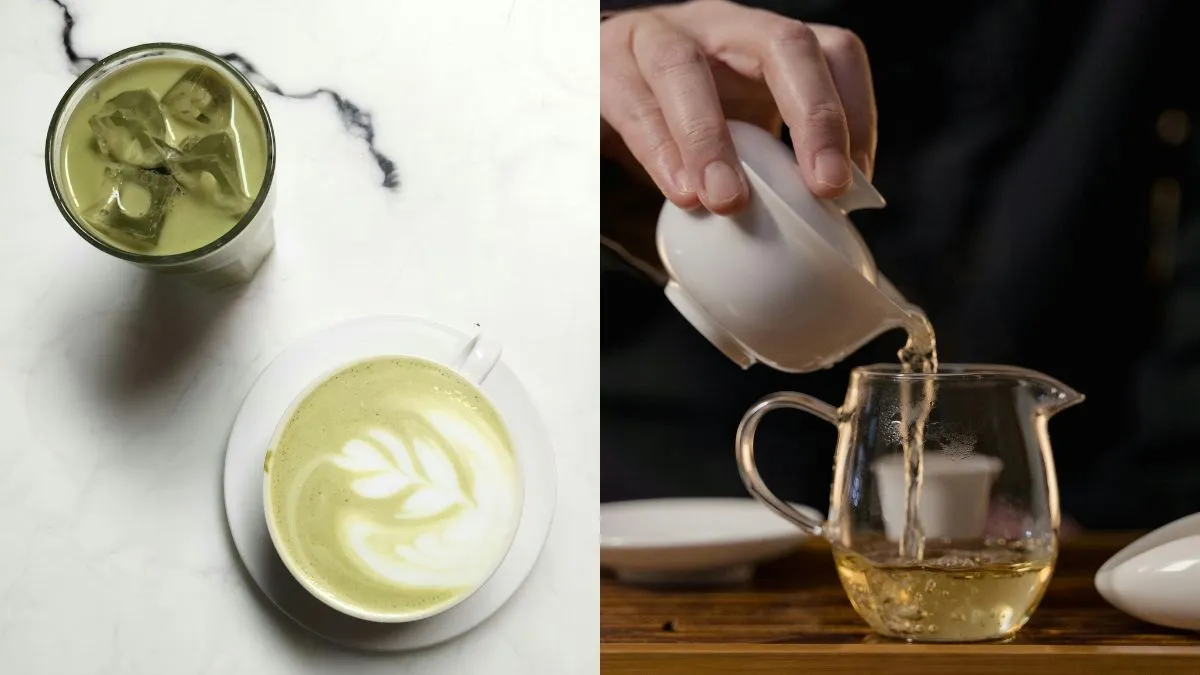
Green tea has been a staple of wellness for centuries. Matcha, its bright, powdered relative, has recently been in the limelight, with its appearance in everything from lattes to smoothies. Although they are derived from the same plant (Camellia sinensis), the way they're cultivated and used makes them quite distinct.
So if you're curious about whether to continue your soothing cup of green tea or cross over to the brash energy of matcha, we have good news. The reality is, there is so much more to the story than meets the eye. Here's what you should know.
What is green tea?

Green tea is prepared by infusing dried tea leaves in boiling water. With its delicate flavour and fragrance, it is a calming beverage ideal for everyday drinking.
Health benefits of green tea
- High in antioxidants known as catechins, which could lower the risk of heart disease.
- Has moderate amounts of caffeine, providing mild alertness without the jitters.
- Associated with enhanced metabolism and weight control.
- Proven to promote brain health and minimise oxidative stress.
Also read: What happens to your body if you drink green tea every day for 2 weeks? Know details
What is matcha?
Matcha is green tea, but with a difference. Instead of infusing the leaves, they are ground on stones into a powder. When you have matcha, you ingest the entire leaf, not the water that has been infused. This makes it stronger in flavour and nutrients.
Health benefits of matcha
- Has more antioxidants than standard green tea.
- Has more caffeine, providing long-lasting energy and concentration.
- High in L-theanine, an amino acid that induces relaxation while countering the caffeine high.
- May aid detoxification due to increased chlorophyll levels.
Also read: Matcha latte: Here's how you can easily make the internet's latest trend at home
Key differences between matcha and green tea
Caffeine content: green tea vs matcha
Green tea: Approximately 25–30 mg per cup.
Matcha: Can be between 60–70 mg per cup, more on par with coffee levels.
Flavour: delicate vs bold
Green tea: Light, grassy, and mild.
Matcha: More intense, creamier, and bitter — commonly combined with milk in lattes.
Preparation: steeping vs whisking
Green tea: Easy, steep in hot water.
Matcha: Whisk the powder into hot water, exerting more energy and using a bamboo whisk for authenticity.
Which should you drink: matcha or green tea?
If you desire a soothing, easy-to-prepare beverage with subtle energy, green tea is your best bet. But if you require a more intense antioxidant boost and a sustained energy kick, matcha is the winner. In the end, it's not really about what's better — it's what your life allows. Most health buffs enjoy both: green tea for a calm afternoon and matcha for a morning needing concentration and clarity.
Matcha and green tea are two sides of the same leaf, each offering unique benefits. The choice depends on whether you’re after light refreshment or powerful energy. Either way, sipping these teas is a ritual of wellness that supports mind and body alike.