
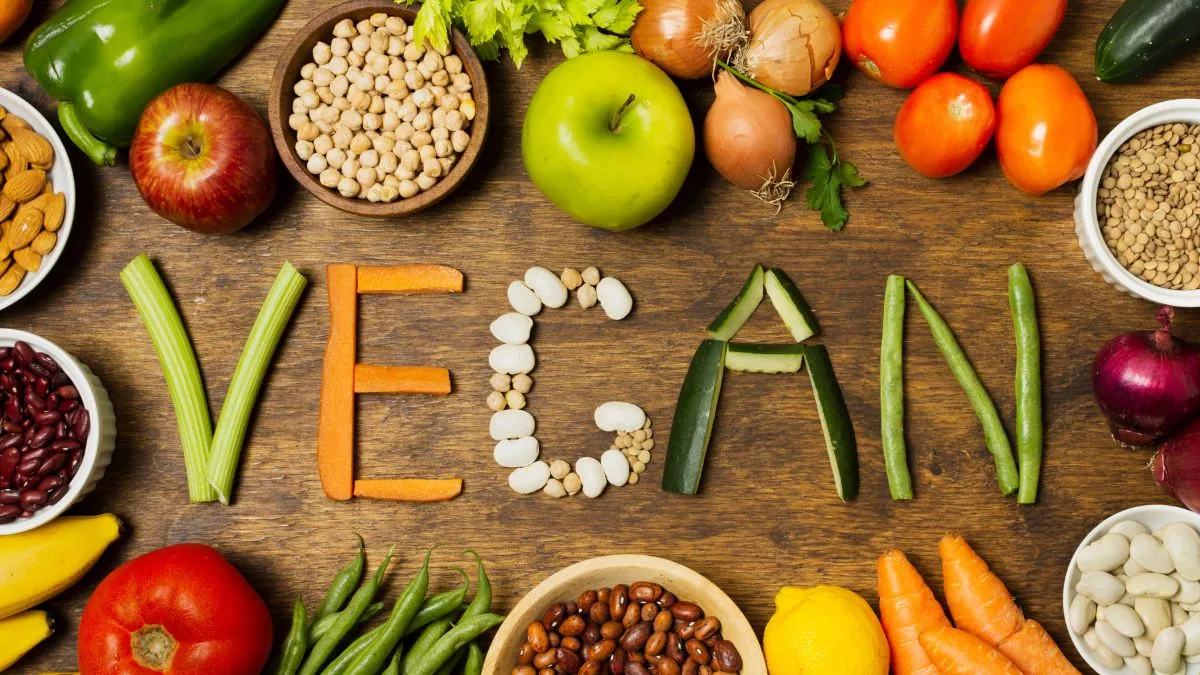
Planning to switch to a vegan diet? It can be tricky for the most of us! While switching to a vegan diet is often seen as a lifestyle choice, but it also triggers a series of biological changes. According to dieticians, this adjustment does not happen overnight. It typically takes eight to twelve weeks for the body to fully stabilise on a vegan diet.
“Adopting a vegan diet is a biological conversion,” says Dt. Pooja Gupta, Dietician at Paras Health, Panchkula. “Your digestive system, metabolism and even taste perception need time to adapt to the shift.”
The first two weeks: gut adjustment and digestion changes
The initial phase involves significant changes at the gut level. A vegan diet naturally increases fibre intake through foods such as legumes, whole grains, vegetables and fruits. This sudden rise in fibre alters the gut microbiota.
“As fibre intake increases, the gut microbiome begins to change, allowing fibre-metabolising bacteria to multiply,” explains Gupta. “During this period, some people may experience bloating, gas or mild digestive discomfort, especially in the first one to two weeks.”
These symptoms are temporary and usually settle as the digestive system adapts.
One month in: metabolic balance and energy shifts
By the end of the first month, the body begins to stabilise metabolically. Removing animal-based foods high in saturated fats can improve insulin sensitivity and energy levels.
“This is also when many people notice a shift in how food tastes,” says Gupta. “The body becomes more sensitive to the natural flavours of whole plant foods, rather than relying on heavily seasoned or processed items.”
Any initial fatigue often eases during this phase, provided the diet includes enough calories.
“Plant-based diets can be very filling but low in calories,” Gupta adds. “Including calorie-dense plant fats like nuts, seeds and avocados is essential to maintain steady energy.”
Three months: full transition with mindful nutrition
The three-month mark is considered the point of complete dietary transition. However, long-term health on a vegan diet depends on careful nutrient planning.
“Certain micronutrients need special attention,” says Gupta. “Vitamin B12, iron and omega-3 fatty acids are particularly important.”
Plant-based iron is less easily absorbed by the body, which is why pairing iron-rich foods like lentils or leafy greens with vitamin C-rich foods improves absorption. Vitamin B12 supplementation is essential, as it is not naturally available in plant foods and body reserves decline with age.
Why food quality matters on a vegan diet
Gupta also cautions against relying on highly processed vegan alternatives. “A vegan diet is not automatically healthy. Choosing whole, minimally processed foods over vegan junk foods ensures better nutrient density and supports long-term health and well-being,” she notes.
Also read: Colourful palette to portion control: 5 small diet changes that are easier to stick to
