
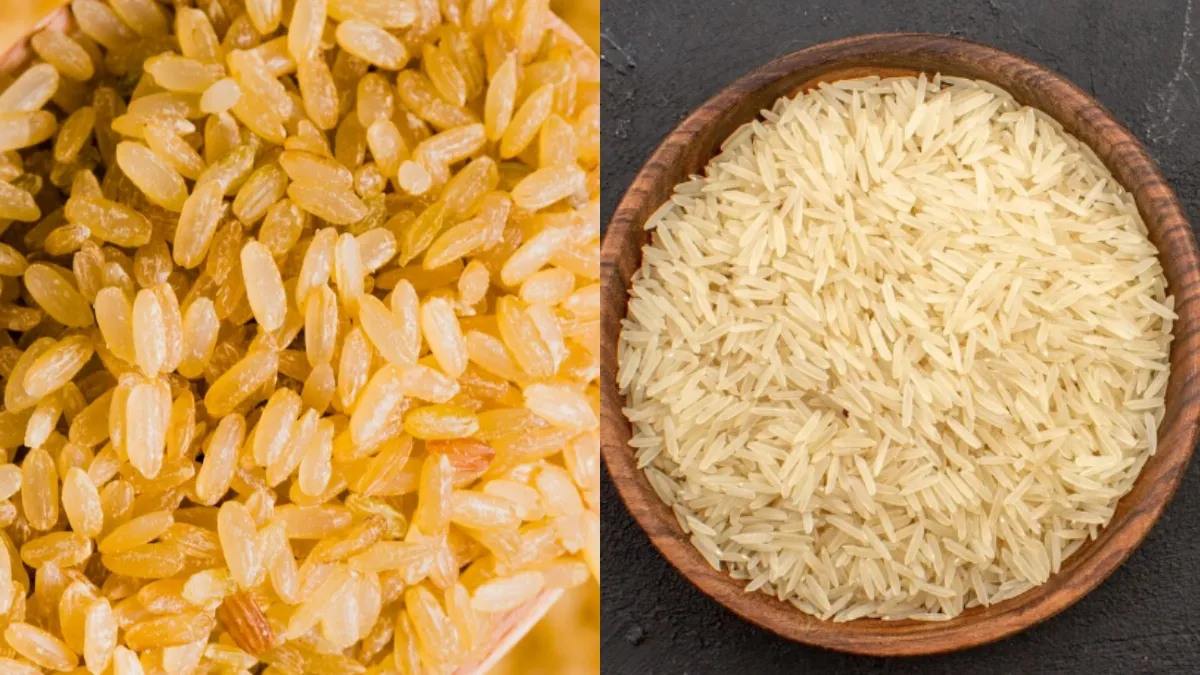
Shopping for rice can be a difficult experience in deciding whether to go for brown or white. Each type has its respective pros and cons, and the choice that suits you best considers your individual requirements and health goals.
According to Dr Karuna Chaturvedi, Head – Clinical Nutrition, Max Super Speciality Hospital, Noida, brown rice is a whole grain because it consists of the bran, germ, and endosperm. This makes it more nutritious in terms of fibre, vitamins, and minerals compared to white rice. Brown rice possesses the following significant advantages:
Higher Fibre Content: Increased fibre in brown rice can contribute to better digestion, satiety, and blood sugar control.
More Nutrient-rich: Brown rice is richer in manganese, selenium, and magnesium than white rice, providing a healthier option than white rice in an adequately balanced diet.
Lower Glycaemic Index: Brown rice has a lower glycaemic index than white rice, making it a perfect one to keep blood sugar levels under control.
Who Should Eat Brown Rice?
Diabetics: Brown rice is a lower glycaemic index grain and hence perfectly suited for diabetics or pre-diabetics.
More Fibre-Seeking People: Brown rice is a high-fibre food and thus perfectly suited for people looking for increased fibre.
Healthy People: Brown rice is a healthy food and thus perfectly suited for healthy people who want to eat healthily.
Who Should Avoid Brown Rice?
Patients with Digestive Disorders: The high fibre content of brown rice can exacerbate conditions like Crohn's disease or IBS.
Patients with Certain Nutrient Deficiencies: Brown rice's phytic acid inhibits the absorption of iron and zinc, among other minerals.
White Rice: The Advantages and Disadvantages
White rice, on the other hand, is refined without its germ and bran, leaving it with mostly empty calories. It also has some benefits:
Easy to Digest: White rice can be a good option for sensitive stomachs because it is typically easier to digest than brown rice.
Source of Quick Energy: White rice is a source of rapid energy due to its high glycaemic index.
Who Should Eat White Rice?
Athletes or Individuals with High Energy Needs: White rice is an excellent option for people who require a quick boost in energy due to its high glycaemic index.
Individuals with Specific Digestive Disorders: White rice is better for those with digestive disorders because it is easier to digest than brown rice.
Who Should Not Take White Rice?
People with Diabetes or Pre-diabetes: It can be consumed by diabetic patients as it is gluten-free.
Those Who Need to Lose Weight: White rice has plenty of empty calories and minimal nutrition and is therefore not ideal for those who need to lose weight.
Conclusion
Overall, both the brown and white rice have their own set of pros and cons. Brown rice is overall the better choice because it contains more fibre and nutrients, but white rice can be advantageous to some, like athletes or people with gastrointestinal conditions. Ultimately, the decision between brown rice and white rice should rest on your personal needs and health objectives.
ALSO READ: Not just laddoos: 9 Rakhi sweets your brother will actually crave
