
Adults should drink approximately 2.7 litres of fluids per day for women and 3.7 litres for men, according to the American Heart Association. This amount remains constant in colder climates. However, data from throughout the world indicate that most individuals are dehydrated for a large portion of the day. You are usually dehydrated by the time you experience thirst, which usually follows a 2% loss of bodily fluids.
One of the biggest problems of dehydration during colder months is that people simply don’t feel as thirsty.
“In low temperatures, your brain’s drive to drink can drop by around 40 per cent, so you can be running low on fluids without even realising it,” the expert from Instant Hydration explains.
Warm drinks like herbal teas and light broths count towards your daily fluid intake just as much as plain water and are often easier to sip in winter.
The expert adds, “Dry indoor heating and cold air can trigger a constant sore throat, blocked sinuses, or difficulty swallowing. That’s your body signalling that the environment is putting extra strain on your tissues.”
To stay hydrated throughout the day, the expert recommends eating simple, water-rich snacks, especially if you don’t feel like drinking plain water.
Chickpea ‘Aquafaba’ Mousse Helps Top Up Your Fluids
- Sodium: 200-240 mg per 100 g
- Magnesium: 65 mg per 100 g
- Calories: 211 per 100 g
Aquafaba mousse made from chickpea liquid is around 95% water, so it works as a light snack that quietly adds to your daily fluid intake. The expert recommends choosing versions that provide roughly 50–60 mg of potassium per 100 g and stay low in sodium to support fluid inside cells and reduce bloating risk. It’s best used as a smarter swap for heavier desserts, paired with water-rich fruit, and eaten with water or herbal tea rather than as your main source of fluids.
Gelatin-Based Desserts Help Support Cellular Hydration
- Potassium: 19 mg per 100 g
- Sodium: 30 mg per 100 g
- Calories: 381 per 100 g
Gelatin-based food sources are usually over 90% water. Their high water content makes them an effective method of increasing fluid intake for individuals who may have difficulty consuming adequate amounts of water. Experts recommend you look for gelatin-based foods that contain fewer sugars and/or no added sugars, but if you do go with those options, make sure you also consume other foods that contain high amounts of water. Remember that while eating these other foods can help boost your hydration levels, your body needs important amino acids that are found in gelatin (proline and glycine). These amino acids help create collagen and assist with tissue regeneration.
Coconut Milk Rice Pudding Hydrates You By 85% With Every Serving
- Potassium: 293 mg per 100 g
- Sodium: 111 mg per 100 g
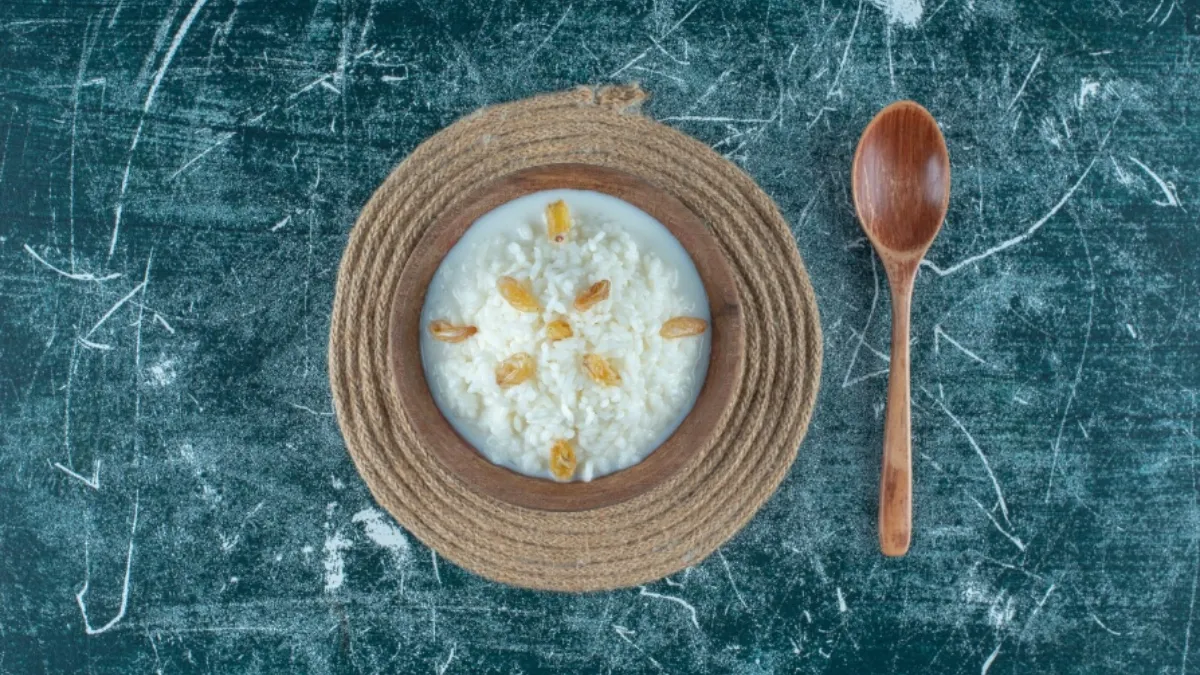
Coconut milk rice pudding is roughly 85% water, so it can be a practical option for topping up fluids, especially in colder months when people drink less. The expert notes that it's potassium, together with sodium, that supports normal fluid balance, while the healthy fats slow digestion so water is absorbed more steadily over time. For an everyday option, the expert recommends choosing versions with less added sugar and salt to avoid counteracting those benefits.
“Hydration doesn’t have to be complex,” concludes the expert. “The key is to maintain healthy habits, be it through drinking water or by eating water-based and nutritious foods. It’s about making small, yet sensible choices so your body can stay healthy even in the coldest months.”
ALSO READ: Struggling with dull winter skin? Nutritionist shares glow-boosting soup recipe
