
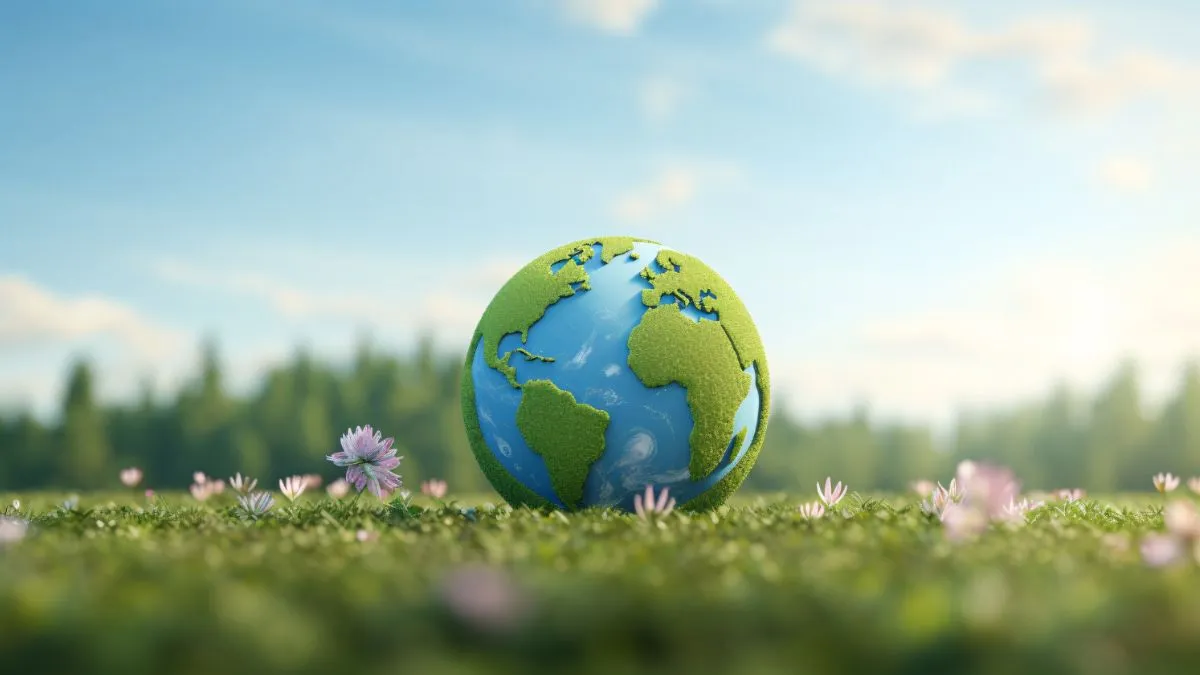
World Earth Day comes around every year on April 22. It is observed in more than 190 countries. The idea is simple. Pause for a moment and think about the planet. The changes it is going through. And our part in it.
It is also a reminder. That protecting the Earth is not just a big policy conversation. It is something that involves everyday choices, awareness, and long term responsibility. Especially when the signs of environmental stress are getting harder to ignore.
What is World Earth Day and why it is celebrated
World Earth Day is marked to raise awareness about environmental challenges. Climate change. Pollution. Deforestation. Loss of species. The list is long, and it keeps growing.
Right now, the world is dealing with more extreme weather than before. Rising temperatures, largely linked to human activity, are making heatwaves more frequent and more intense. These conditions also increase the chances of dry spells and put wildlife at risk.
At the same time, melting ice caps are pushing sea levels higher. This adds pressure on coastal regions, making storms and tidal flooding more damaging. Climate change is also being linked to record heatwaves across land and oceans, heavy rainfall, cloudbursts, floods, droughts, wildfires, and stronger hurricanes. All happening more often. And with more impact.
Why World Earth Day matters
World Earth Day has played a role in pushing conversations into action. It has helped people connect more deeply with environmental issues and think beyond short term fixes.
The first World Earth Day was held in the United States in 1970. It saw support across political lines, with both Democrats and Republicans backing the movement. Around 20 million people took part. It came after a major oil spill, acting as a wake-up call about protecting ecosystems and taking responsibility.
Since then, the scale has grown. Today, with a global population of over 8 billion, the idea behind World Earth Day is even more relevant. It reminds people that caring for the planet is not optional. It is shared work.
That first wave of participation also led to change. Environmental laws like the National Environmental Education Act, the Occupational Safety and Health Act, and the Clean Air Act were introduced in the US.
From awareness to action: How World Earth Day shaped global climate efforts
Over time, World Earth Day has been linked to some major global developments.
The Paris Agreement, one of the most important climate accords, was opened for signature on World Earth Day in 2016. More than 190 countries signed it, agreeing to reduce carbon emissions and take steps to tackle climate change.
In 2024, earthday.org worked with organisations in Malaysia to organise what was described as the largest cleanup in World Earth Day history. Alongside that, there were plans to plant one million trees.
Efforts like these reflect how the movement has expanded from awareness to action.
World Earth Day 2026 theme and what it focuses on
The theme for World Earth Day 2026 is “Our Power, Our Planet”.
It focuses on accelerating clean energy, improving accountability for environmental damage, and encouraging solutions at the community level. The message is direct. Action needs to be consistent and collective if the effects of climate change are to be reduced.
Another area that continues to need attention is the protection of natural resources. Deforestation remains a major concern. It is estimated that around 18 million acres of forest are lost every year.
Keeping this in mind, the UN Food and Agriculture Organisation launched the Canopy Project in 2010. Through this initiative, tens of millions of trees have been planted globally.
The point, in the end, is not complicated. The problems are large. But so is the number of people who can act on them.
ALSO READ: Refreshing zero-waste cocktails to sip on World Earth Day
