
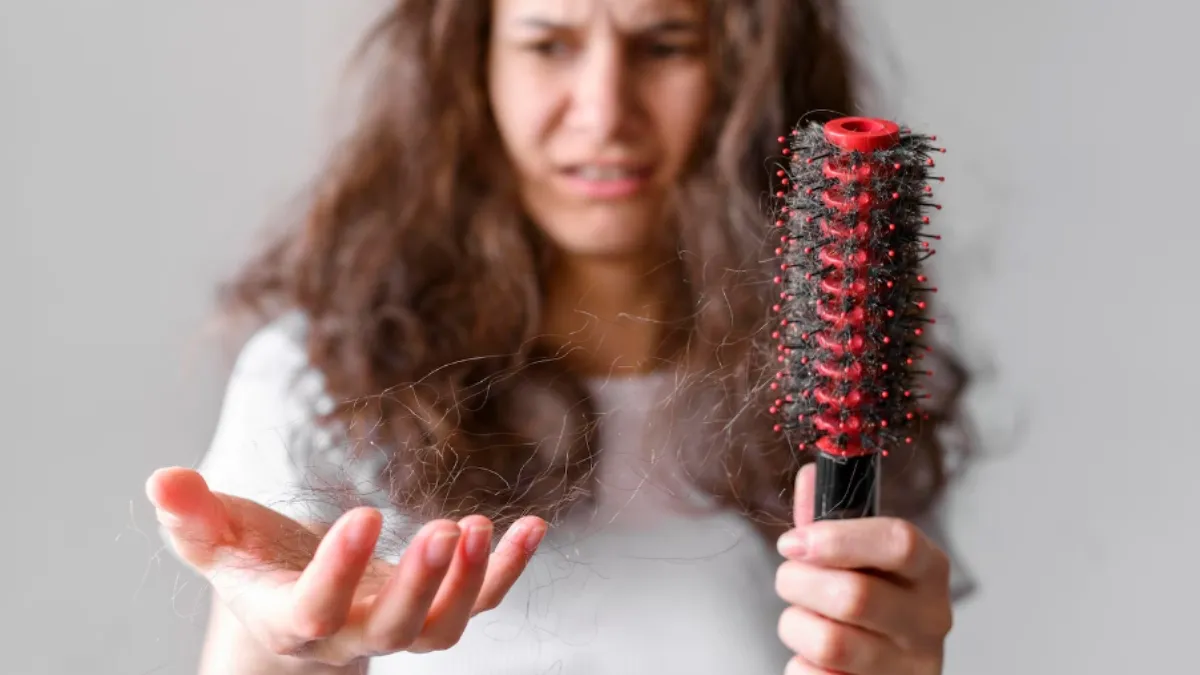
Winter patterns are predictable in terms of dietary changes. Diets become more carbohydrate-rich, and the intake of high-quality proteins becomes less. Hair is composed mainly of keratin, a structural protein. When protein is not readily available, the integrity of the hair shaft is compromised, causing increased breakage and visible thinning.
Iron deficiency is one of the leading causes of diffuse hair loss, especially in women. Iron helps to transport oxygen to the hair follicles. When iron is low in the body, the normal cycling of the follicles is disrupted, leading to excessive hair loss.
According to Dr Rinky Kapoor, Co-Founder and Director, The Esthetic Clinics, diet in winter months is often deficient in green leafy vegetables, beans, and other iron-rich foods. This can further exacerbate an already existing deficiency. B-complex vitamins, specifically B12 and biotin, have been found to have low levels in patients with weakened hair and impaired hair repair. These vitamins are involved in cellular turnover and the maintenance of follicular function. They are, therefore, important in seasonal changes of hair.
Vitamin D Deficiency and Limited Sun Exposure
Vitamin D is especially important during the winter season. The reduced daylight hours and lower levels of outdoor activities result in lower vitamin D production in the skin. Vitamin D deficiency has been found to be associated with certain patterns of hair loss, such as telogen effluvium and alopecia areata.
Vitamin D is not a factor in determining the density of hair, but it plays an important role in the regulation of the hair cycle and the immune system. Patients with seasonal hair loss have been found to have vitamin D deficiency.
The Overlooked Factor: Hydration
The amount of water consumed tends to be lower during the cold season. This has a direct effect on the hydration of the scalp. A dehydrated scalp environment is characterised by flaking, irritation, and increased hair breakage.
While hydration is not a component in preventing hair loss, it is an important element of maintaining the barrier property of your scalp. The scalp, just like the rest of your skin, will require adequate levels of hydration to ensure that its barrier properties and ability to regenerate are maintained.
Inflammatory Effects of Processed Foods
A diet rich in refined carbohydrates, sugar, and processed foods can lead to systemic inflammation. In people with a tendency towards hair loss or scalp irritation, such a diet can exacerbate the problem and increase seasonal hair loss.
Inflammation of the hair follicles can lead to changes in the hair cycle. The growth phase of the hair cycle can be reduced, and the resting phase can be prolonged.
The Limits of Dietary Intervention
Diet is the cornerstone of hair health, but there is no single food, vitamin, or dietary change that can treat hair loss on its own. Hair loss is a multifactorial problem. It can be caused by genetic predisposition, hormonal changes, stress, underlying medical conditions, and scalp disorders.
Dietary management is a solution for one aspect of a multifaceted clinical problem. When there is persistent hair loss even after optimal dietary management, it is essential to have a thorough medical work-up. Laboratory tests help to identify the deficiencies, and supplements should only be taken under the guidance of a physician. Over-the-counter supplements can lead to toxicity and may also hide other clinical problems that need specific attention.
There are times when dermatological treatments, aside from dietary management, are necessary. In severe cases of hair loss, prescription medications, office procedures, or regenerative therapies may be necessary to provide effective restoration.
Clinical Considerations for Winter Hair Care
Winter hair care goes beyond using hair care products and making changes in hairstyles. Effective management begins with the understanding that the health of the hair reflects the health of the body as a whole. Even subclinical deficiencies of nutrients affect the hair growth cycle before they cause problems in the body.
Preventive strategies during the winter season include tracking protein intake, maintaining optimal iron intake from iron-rich foods, maintaining hydration levels, and supplementing vitamin D levels after appropriate testing. Early detection and correction of deficiencies can help to reduce seasonal shedding and promote optimal hair health throughout the winter season.
In patients with severe or chronic hair loss, early medical attention can help to prevent the progression of potentially reversible conditions into chronic patterns of hair loss.
ALSO READ: Hair fall isn’t always bad news: Dermatologist explains when it’s completely normal
