
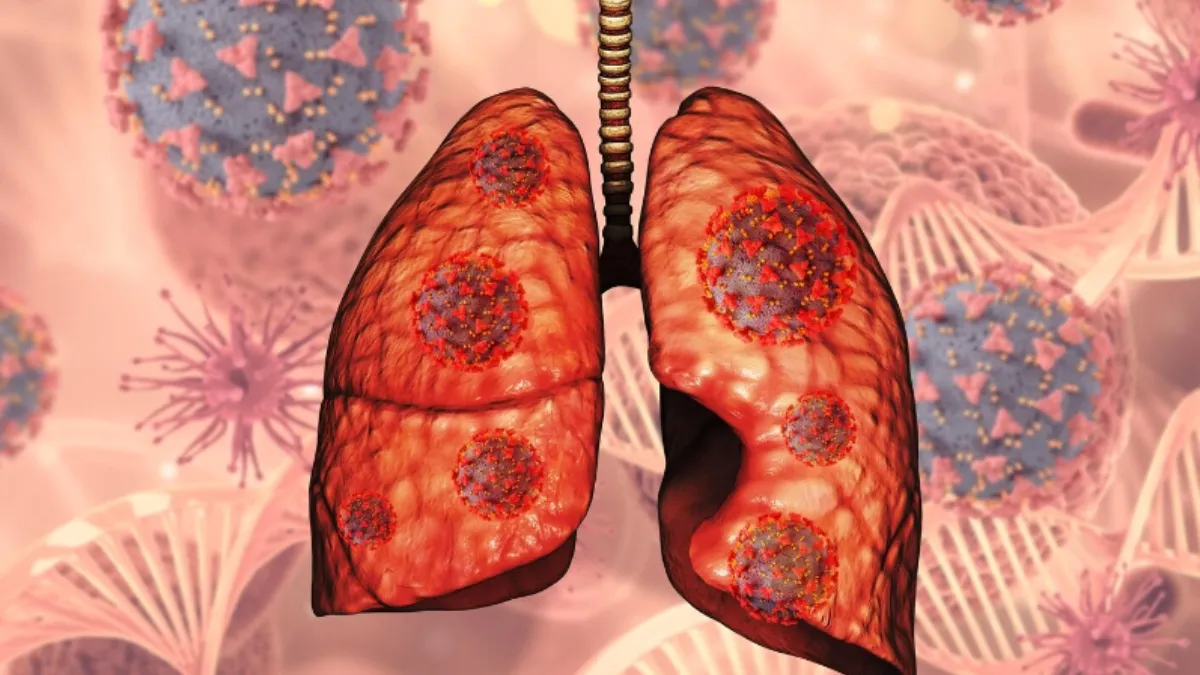
In the current scenario, Lung cancer is shedding its smoker’s disease label, as more number of non-smokers are being diagnosed, challenging the traditional assumptions about the disease’s causes and forcing a rethink among the medical professionals and the public alike.
According to Dr Nandish Kumar Jeevangi, Sr. Consultant, Medical Oncology, HCG Cancer Centre – Gulbarga, lung cancer is increasingly affecting non-smokers, with one in five cases globally occurring among non-smokers. The trend is particularly striking among the younger adults and women, highlighting the growing impact of environmental, lifestyle and genetic factors on cancer risk.
The question is no longer limited to “Do you smoke?” but rather, “What are you exposed to every day?”
Breathing in Danger: Air Pollution’s Role
Cities worldwide now pose a greater danger to our health every time we leave the building because urban air is heavily polluted with a mixture of man-made particles consisting of PM2.5 particles, either from vehicles or industrial activity (smoke and dust), all of which can get embedded deep into our lungs and cause chronic inflammation and damage the genetic material. In addition to this damage to the lung tissues and the DNA in these cells, long-term exposure to polluted air can put people at an equivalent risk of developing cancer as if they were smoking a few cigarettes each day.
In this sense, it is counterintuitive and surprising that people who try to stay away from cigarettes (i.e., through conscious decision-making) would actually expose themselves each day to levels of pollution that are similar to smoking a few cigarettes per day through various points of entry (inhalation, etc.) and not be aware of it.
The hidden hazards within homes
A lot of news articles talk about how bad outdoor air quality is for us, but did you know that indoor air quality can sometimes actually be worse? Indoor pollution occurs in poorly ventilated kitchens which use biomass as an energy source or where people cook on high-flame stoves. Burning these fuels releases toxic chemicals and fine particulates into the air that continue to build up over time. Another type of invisible indoor pollutant is radon, a naturally occurring radioactive gas that escapes from the ground through cracks in our floors and walls.
Radon exposure has been linked to lung cancer among non-smokers. Even the little things we do every day, such as incense sticks, burning candles or cleaning with aerosol-based products, release hazardous emissions into our homes. We may think of our homes as places of safety, but for some people, continued exposure to indoor air pollution can be a slow, insidious way of developing health conditions.
Recognising early warning signs
Lung cancer detected early can often be treated successfully, yet non-smokers rarely see themselves at risk. Common symptoms like a long-standing cough, chest pain, fatigue, hoarseness, or unexplained weight loss are frequently mistaken for minor infections.
Regular health checks and low-dose CT scans for people with high environmental exposure or family history can help detect lung changes before they become life-threatening. Awareness and vigilance are the first lines of defence.
Prevention starts with Awareness
A collaborative approach is necessary to counteract this increase. Urban design that promotes cleaner air, appropriately regulated air quality compliance and improved ventilation for homes all contribute to healthier lungs. There are also small, individual actions that can lead to improvement in Shared Air: Cooking with a proper flow of air; reducing the use of aerosol air fresheners and other synthetic fragrances; cultivating houseplants; or wearing a face mask in highly polluted areas.
A person's lung health is also affected by the following lifestyle choices: An active lifestyle, an antioxidant-rich diet, and no exposure to smoke and/or other toxic fumes for an extended period of time.
Disclaimer: Tips and suggestions mentioned in the article are for general information purposes only and should not be construed as professional medical advice. Always consult your doctor or a dietician before starting any fitness programme or making any changes to your diet.
ALSO READ: Delhi air pollution: Why lung tests are no longer optional in high AQI areas, warns doctor
