
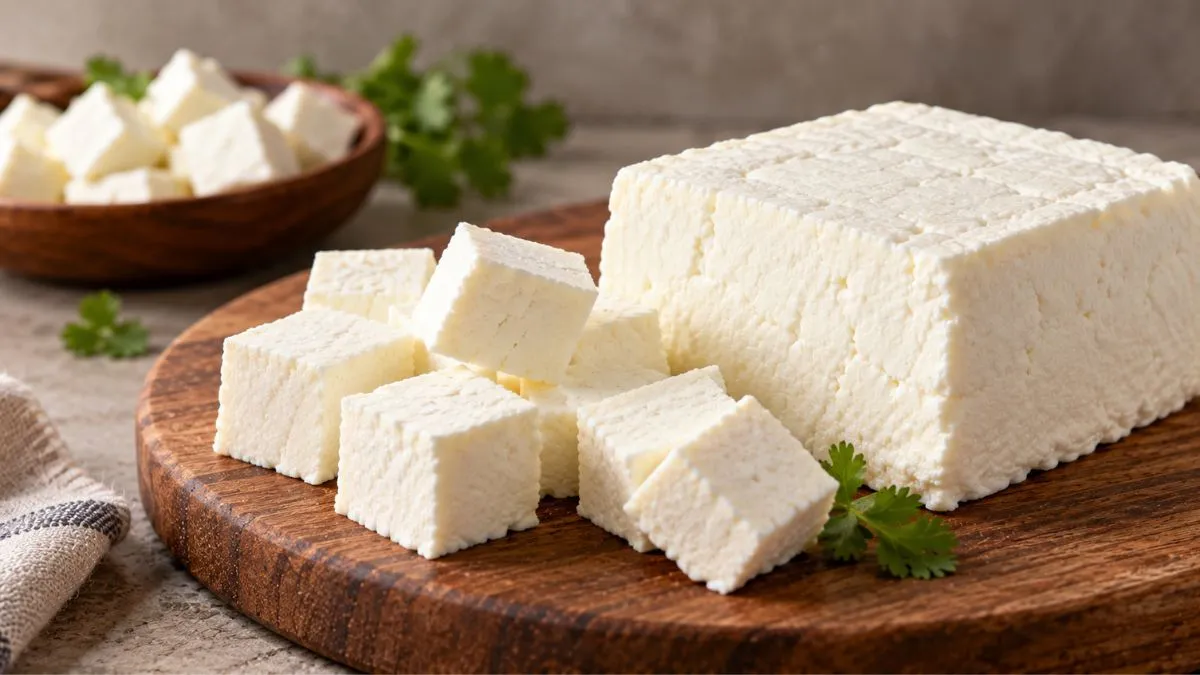
The debate around analogue paneer is not simply about whether a product looks like the real thing. What matters is what goes into it. Products sold as paneer can sometimes be made with non-dairy ingredients, which means their nutritional composition may differ from traditional paneer made from milk.
So, how can consumers tell the difference, and does eating analogue paneer actually pose a health risk? Dr. Shalini Garwin Bliss, Head-Dietetics, PSRI Hospital, New Delhi, explains what analogue paneer is, what regular consumption could mean for nutrition and what consumers should look for before buying it.
What is analogue paneer?
Analogue paneer is designed to look and feel like regular paneer, but it can contain ingredients that do not come from milk. According to Dr. Bliss, milk components may be replaced or supplemented with ingredients such as vegetable fats, starches and plant proteins, depending on how the product is made.
Traditional paneer, on the other hand, is prepared by coagulating milk, so its nutritional composition primarily comes from milk.
"The difference may not always be obvious just by looking at the paneer," Dr. Bliss said, which is why consumers should pay attention to the ingredients rather than relying only on its appearance.
Is analogue paneer harmful to health?
Eating an analogue product occasionally does not automatically mean that someone will develop a health problem, Dr. Bliss explained. The bigger concern, she said, is when a person believes they are regularly eating dairy paneer but is actually consuming a product with a different nutritional composition.
The nutritional value can depend on what has been used in place of milk. An analogue product may provide less dairy protein and could contain more vegetable fat or starch. This becomes particularly relevant for people who eat paneer as a source of protein.
"If someone is eating paneer specifically as a source of protein, regularly replacing dairy paneer with an analogue without realising it may mean they are not getting the nutritional value they expect," Dr. Bliss said.
She stressed that the issue is therefore not about treating every analogue paneer product as inherently harmful. Instead, composition, quantity and transparency matter when assessing what a person is actually consuming.
How can you identify analogue paneer?
Looks can be misleading when it comes to analogue paneer. Dr. Bliss said consumers should not rely only on the colour, softness or texture of the product, as an analogue can be made to closely resemble dairy paneer.
The most useful step is to check the ingredient list on packaged products. "If you see ingredients such as vegetable oil or vegetable fat, starch or plant proteins being used alongside or instead of milk-derived ingredients, it is worth checking whether you are buying a dairy product or an analogue," she said.
Consumers should also check the product name and look for any declaration stating that it is an analogue or that it contains no milk fat or milk protein.
Loose paneer presents a different challenge because there is no ingredient label to examine. In such cases, consumers have much less information about what they are buying. Dr. Bliss therefore said purchasing from a reliable and properly licensed source becomes particularly important.
ALSO READ: