
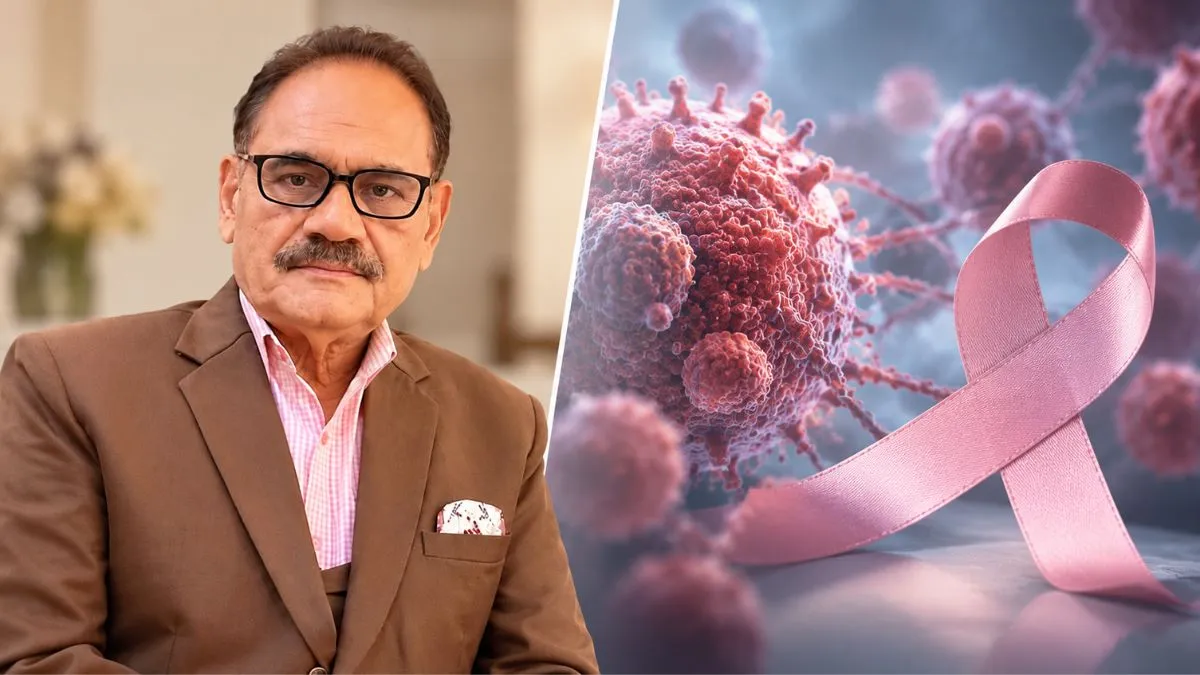
Veteran actor Mushtaq Khan, known for his roles in films including Mujhse Shaadi Karogi, Welcome, Aashiqui and Gadar 2, died aged 75 on September 24, 2026, following a reported relapse of cancer. According to his partner Shivam, Khan had previously been diagnosed with the disease, undergone treatment and shown signs of recovery. The cancer returned in an advanced stage around eight days before his death. He had been undergoing treatment at Mumbai's Nanavati Hospital for around 15 days and died in the ICU.
A cancer relapse can be difficult to understand, particularly when someone has already completed treatment and appeared to be recovering. Dr Amit Upadhyay, Senior Consultant Hematologist and Oncologist, PSRI Hospital, New Delhi, explains what a relapse means, why cancer can return after treatment, how doctors assess the situation and which symptoms patients should not ignore.
What does a cancer relapse mean?
A relapse means the cancer has returned after a period during which there was no evidence of the disease or the patient was in remission. Dr Upadhyay explained that treatment can bring cancer under control to the point where it can no longer be detected, but that does not always mean every cancer cell has been eliminated.
"In some cases, a few cancer cells may survive treatment. These cells can remain quiet for months or even years and later start multiplying again," he said.
This is why completing the recommended treatment and continuing with regular medical follow-ups remain important, even when a patient feels completely well, the oncologist added.
How serious is a cancer relapse?
A relapse needs to be taken seriously, but Dr Upadhyay stressed that it does not automatically mean that treatment options have run out. What happens after a recurrence depends on several factors, including where the cancer has returned and whether it remains limited to one area or has spread.
"The type and stage of the original cancer, how long the remission lasted and how the cancer responds to further treatment" can also influence what happens next, he said. A patient's overall health and the treatments they have already undergone are also considered.
The approach can therefore vary from one patient to another. In some cases, doctors may pursue aggressive treatment for the recurrence. In others, treatment may focus on controlling the disease and maintaining the patient's quality of life. "The prognosis has to be discussed on an individual basis," Dr Upadhyay said.
What symptoms could indicate a cancer relapse?
After completing cancer treatment, patients should pay attention to symptoms that are new, persistent or unusual for them. Dr Upadhyay said some signs that deserve medical attention include:
- Unexplained weight loss
- Ongoing fatigue
- A new lump or swelling
- Persistent pain
- A cough that does not go away
- Unexplained breathlessness
- Changes in bowel or bladder habits
- Unusual bleeding
- Persistent loss of appetite
However, experiencing one of these symptoms does not necessarily mean that cancer has returned. Dr Upadhyay stressed that many of them can have causes unrelated to cancer.
"The key is not to ignore something that persists or keeps getting worse and to keep up with the follow-up schedule advised by the treating oncologist," he said.
ALSO READ:
Cancer cases may surge to nearly 35 million a year by 2050, warns WHO report