
Breathing is one of those things we rarely pay attention to. It just happens. In and out, thousands of times a day. In fact, the average person breathes nearly 20,000 times daily. Yet many people are doing it in a way that quietly keeps the body stuck in a state of tension.
Ms Palak Dengla, Chief Physiotherapist at Aster RV Hospital, Bangalore, says modern lifestyles have a lot to do with this. Long work hours, constant digital exposure, emotional stress. All of it shows up in the body. “Many lifestyle disorders today have a strong psychosomatic component. This does not mean the illness is imaginary, but chronic stress and emotional overload can significantly influence how diseases begin and progress,” Dengla explained.
The nervous system and the stress cycle
At the centre of this issue is the autonomic nervous system, which controls many involuntary processes in the body. “There are two key parts of the autonomic nervous system,” Dengla said. “The sympathetic system, which activates the fight or flight response, and the parasympathetic system, which supports rest, repair and recovery.”
When stress becomes constant, the balance between these systems shifts. “In people living with continuous mental pressure, the sympathetic system remains overactive. That keeps cortisol levels high and contributes to chronic low grade inflammation,” Dengla explained.
Over time this stress driven inflammation may play a role in several health problems. Some commonly associated conditions include:
- Hypertension
- Type 2 diabetes
- Thyroid imbalance aggravation
- Chronic neck and back pain
- Digestive disturbances
- Insomnia and persistent fatigue
“When inflammation and nervous system imbalance continue for long periods, they start reinforcing each other,” Dengla noted.
Why breathing can interrupt the stress response
The interesting part is how quickly breathing can influence this system. “Your breath is the fastest way to interrupt the stress cycle,” Dengla said. “Slow and conscious breathing shifts the body from sympathetic overdrive into parasympathetic calm.” This shift can lower stress hormones, improve blood circulation and support recovery.
Clinical observations also suggest that dysfunctional breathing patterns are extremely common. “In around 60 to 80 percent of chronically stressed adults, we often see some form of inefficient breathing pattern,” Dengla explained.
Five breathing techniques that can help regulate the body
Certain breathing exercises can gently retrain the nervous system. They are simple, but surprisingly effective when practised regularly.
1. Diaphragmatic breathing
The diaphragm sits just below the lungs and plays a major role in efficient breathing. “Diaphragmatic breathing helps people use the diaphragm properly rather than relying only on the chest,” Dengla said.
This technique, often called belly breathing, involves inhaling through the nose while allowing the abdomen to expand. Benefits may include:
- Reduced heart rate
- Lower blood pressure
- Improved relaxation
2. Box breathing
Box breathing is widely used in high pressure environments because of its simple rhythm. “This technique asks you to inhale, hold, exhale and pause, each for a count of four,” Dengla explained.
The structured pattern helps steady breathing and calm the mind. “It stabilises heart rate, reduces anxiety and can improve focus during stressful situations,” she added.
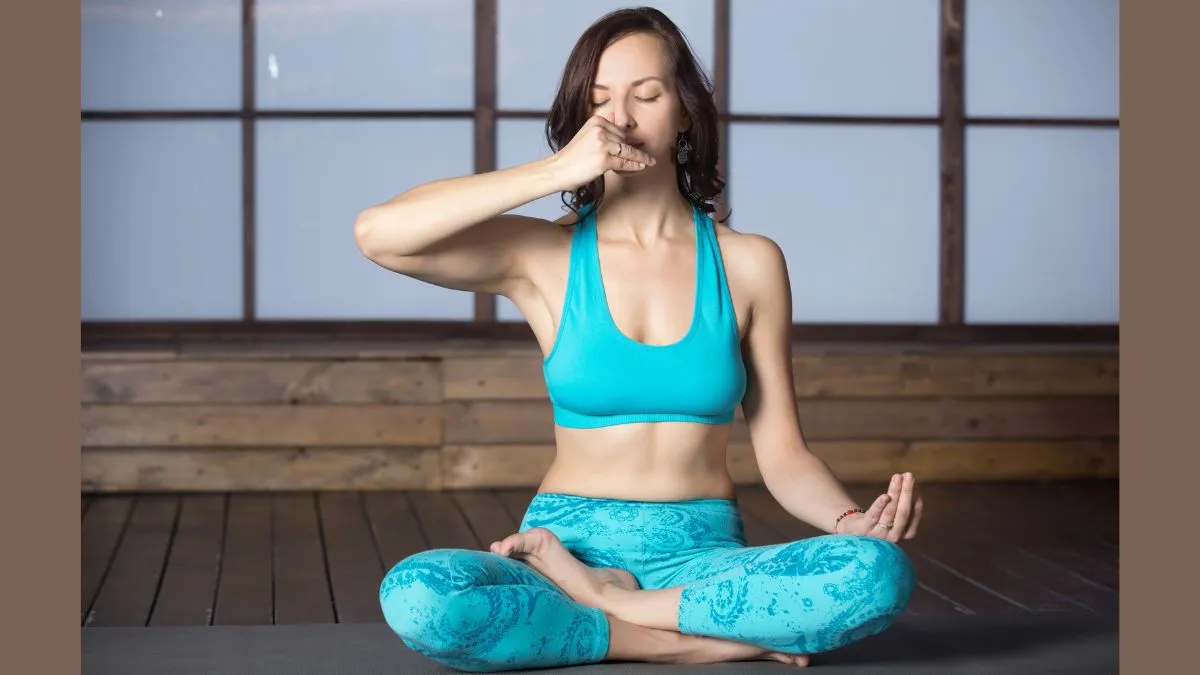
3. Alternate nostril breathing
This breathing style involves switching airflow between the nostrils. “Alternate nostril breathing can help restore emotional and neurological balance,” Dengla said.
Practitioners inhale through one nostril and exhale through the other before switching sides. “It encourages better coordination between the two hemispheres of the brain,” she explained.
4. 4-7-8 breathing
Often described as a natural relaxant for the nervous system. “The technique involves inhaling for four counts, holding the breath for seven seconds and then exhaling slowly for eight seconds,” Dengla said.
The longer exhalation phase stimulates the vagus nerve, which supports relaxation. “This activates parasympathetic calm and helps reduce anxiety,” she noted.
5. Humming breathing
Inspired by the yogic practice of Bhramari, humming breathing adds a gentle vibration to the exhale. “Inhale normally and then exhale with a soft humming sound,” Dengla explained.
The humming effect has several physiological benefits. “It can increase nitric oxide production, improve sinus ventilation and stimulate vagal tone,” she said. These changes promote a deeper sense of relaxation.
A small daily routine that can make a difference
Breathing exercises do not require long sessions to be useful. Dengla suggests thinking of breathwork almost like daily hygiene for the nervous system.
A simple routine could look like this:
- Five minutes after waking up
- Five minutes before sleep
- Two to three minutes during stressful moments
“Slow breathing improves heart rate variability and oxygen delivery,” Dengla explained. These physiological shifts can influence several aspects of cognitive performance.
Benefits may include:
- Better memory
- Improved focus
- Greater cognitive clarity
- Higher productivity
“In a world where stress drives inflammation and disease, breathing correctly may be one of the most underused forms of preventive medicine,” Dengla concluded.
Disclaimer: Tips and suggestions mentioned in the article are for general information purposes only and should not be construed as professional medical advice.
ALSO READ: Losing weight without trying? Doctor says this stomach symptom could be a red flag
