
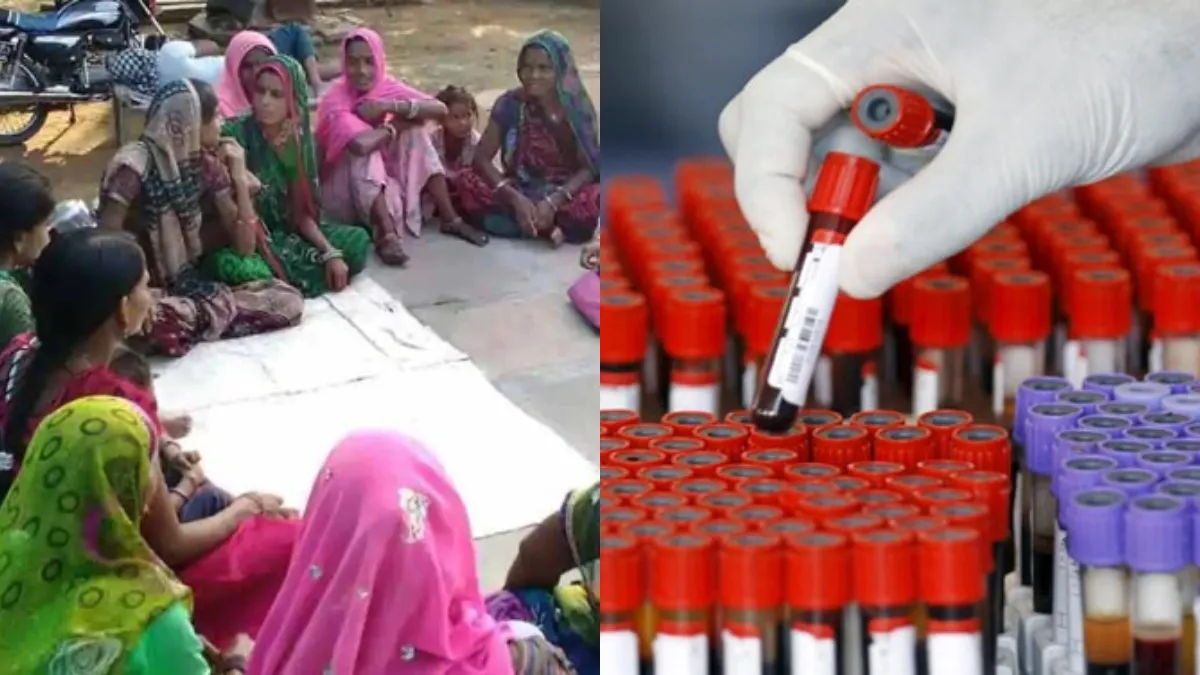
Imagine waking up each day, hoping your child grows up strong and healthy, and discovering instead that a hidden poison is flowing through their veins. That’s the grim reality for families across parts of Bihar today.
A newly published study reveals that nearly 90% of children and 80% of pregnant women in Bihar have elevated blood lead levels (BLLs)—far above safe limits set by the World Health Organisation. Shockingly, one in five individuals tested had lead levels exceeding 10 µg/dL, double the WHO’s threshold for medical concern.
Where is this poison coming from?
The study, appearing in Environmental Monitoring and Assessment (July 2025), was led by Ashok Kumar Ghosh, former chairman of the Bihar State Pollution Control Board, in collaboration with international partners.
Multiple daily-life sources contribute to this crisis:
- Industrial proximity: Nearly half of the children live within 1 km of lead-using facilities, battery recycling plants, metal smelters, and paint factories that taint nearby soil and dust.
- Contaminated water: Hand pumps and municipal taps used by most households may deliver lead-contaminated water through ageing infrastructure.
- Everyday cookware: Almost all families use metal utensils, increasing exposure risk through food preparation.
- Adulterated spices: Loose-market spices such as turmeric and red chilli are sometimes coloured with cheap, lead-based pigments. A striking link emerged between these spices and children’s BLLs.
Why this matters and why now?
These numbers are not just statistics—they reflect real devastation. Unlike in the United States, where fewer than 3% of kids have BLLs above 5 µg/dL (and under 0.4% cross 10 µg/dL), in parts of Bihar nearly half of the children exceed that 10 µg/dL mark.
Even low-level lead exposure can irreversibly impair memory, behaviour, and physical growth.
This crisis mirrors a broader global challenge: children in low- and middle-income nations bear nearly all the world’s burden of elevated lead exposure, driving lifelong health inequities.
What we must do—and can do
The study lays out clear, urgent steps:
- Routine blood lead testing for children and pregnant women during healthcare visits; early detection can save lives.
- Tighter regulation of water systems, cooking utensils, and especially spices – daily essentials – aren’t quietly contaminating lives.
- Targeted environmental cleanup and enforcement around industries that release lead prioritise these hotspots for safe remediation.
ALSO READ: The first vaccine: Why breast milk is still the strongest immunity booster
