
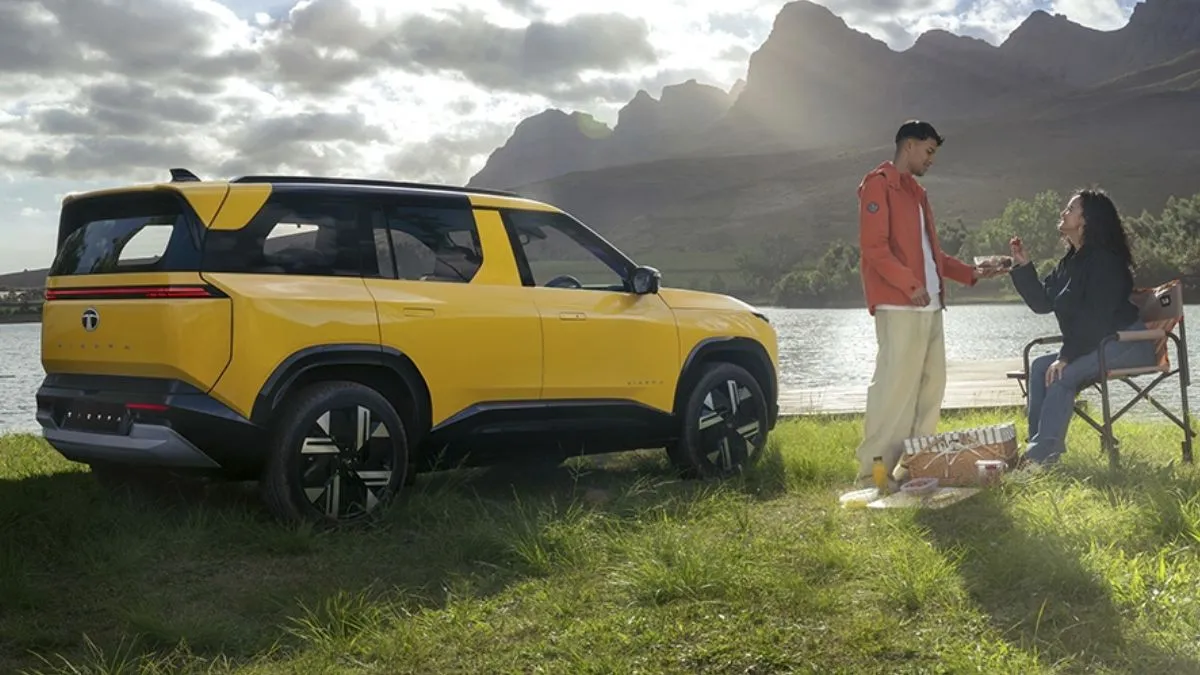
Tata Motors is getting ready to shake up its electric SUV lineup. The competition in India's EV market keeps heating, with familiar names like Mahindra, Hyundai, and Maruti Suzuki all making big moves, plus a wave of global players entering the ring. Tata’s answer? Two new electric SUVs: the Tata Sierra EV and the Tata Safari EV.
Tata Sierra EV launch timeline and positioning
The Tata Sierra EV is expected to launch sometime between July and September this year—a pivotal step in Tata’s electric push. This SUV will slot in between the Curvv EV and the more upscale Harrier EV. Its main rivals include the Hyundai Creta Electric, Maruti e-Vitara, Mahindra BE 6, and VinFast VF6.
Battery, range and features
Tata’s building the Sierra EV on its advanced Acti.ev+ platform, so drivers will get more cabin room, clever battery packaging, and a boost in efficiency. As for power, you’ll likely see two battery options: the Curvv EV’s 55kWh pack or a beefier 65kWh battery from the Harrier EV.
Tata claims the Sierra EV will travel up to 540 to 600km on a full charge, but realistically, expect closer to 400–450km out in the real world. Higher trim levels should offer a dual-motor all-wheel-drive setup, plus 100kW DC fast charging.
Feature highlights may include:
- Level 2+ ADAS
- Vehicle-to-Load (V2L) technology
- Vehicle-to-Vehicle (V2V) charging
- 360-degree surround-view camera
- Triple-screen dashboard layout
The cabin itself will house a 12.3-inch infotainment touchscreen, an equally large passenger display, and a 10-inch digital driver display.
Tata Safari EV to debut by Diwali
After the Sierra EV, Tata’s bringing out the big guns with the Safari EV, expected around Diwali 2026. This will be Tata’s flagship three-row electric SUV, set to go head-to-head with Mahindra’s XEV 9S. Like its siblings, the Safari EV rides on the Acti.ev+ platform and will offer a choice—a 65kWh battery for entry variants or a sizeable 75kWh for those wanting more.
Long-range and AWD capability
Tata claims about 600km of range on paper (MIDC cycle), but in daily use, you’re likely looking at 450–500km. The base models should stick with rear-wheel drive, but pricier trims will get dual motors and all-wheel drive. Expect dedicated modes for off-road or snowy adventures, expanding the SUV's versatility.
