
Starlink, backed by Elon Musk’s SpaceX, has teamed up with Airtel Africa to support internet and mobile calling in remote areas where there is no network coverage. The companies are taking on one of the biggest hurdles-- that is, connectivity at places where the internet is not supported (traditional networks). This would support so many people who live in or travel to a no-network area.
Starlink and Airtel join hands for satellite connectivity in Africa
Calling without network coverage
This has been one of the most-awaited features, which could be a lifesaver. You will be able to make calls, send texts and get online, even if you are in a complete no-network area, which is also called the 'dead zone'. Once it is tested, users will not need anything special – all they will need is a regular smartphone. This could be life-changing for people who are living in hard-to-reach spots – mountains, islands, villages, small towns and more.
How does does Direct-to-Cell technology work?
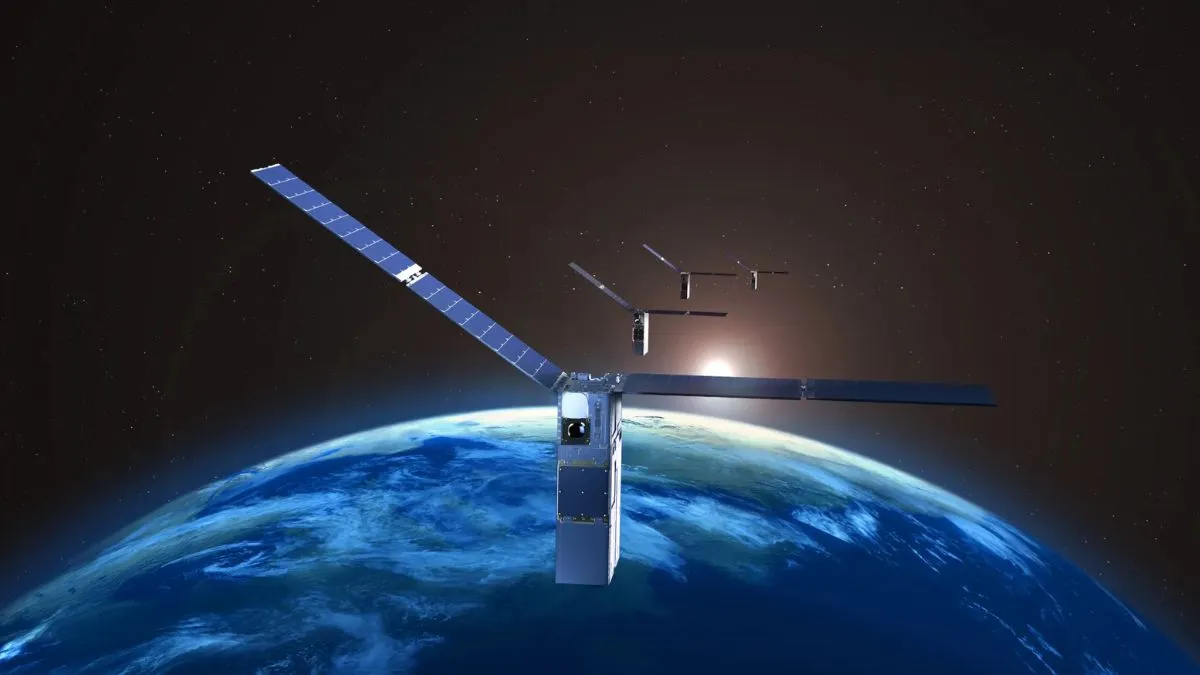
Starlink’s Direct-to-Cell technology will let regular smartphones link straight to satellites using standard radio frequencies – no fancy satellite phone required. They have already run these kinds of trials in the US with local carriers.
Starlink's India launch plans
Starlink is reportedly waiting for full regulatory clearance. The company has a provisional nod, but they need the final go-ahead from the authorities, especially around spectrum allocation and tech approval. In the meantime, Starlink is building up its infrastructure and setting up base stations across the country.
If this service gets going in India, it will wipe out dead zones, boost rural and remote connectivity, and give emergency communications a real upgrade. That’s a big deal for travellers, people in disaster-prone areas, and anyone stuck with patchy mobile service.

If the service launches in India, satellite-based connectivity could:
- Eliminate network dead zones
- Improve connectivity in rural and remote areas
- Enhance emergency communication