
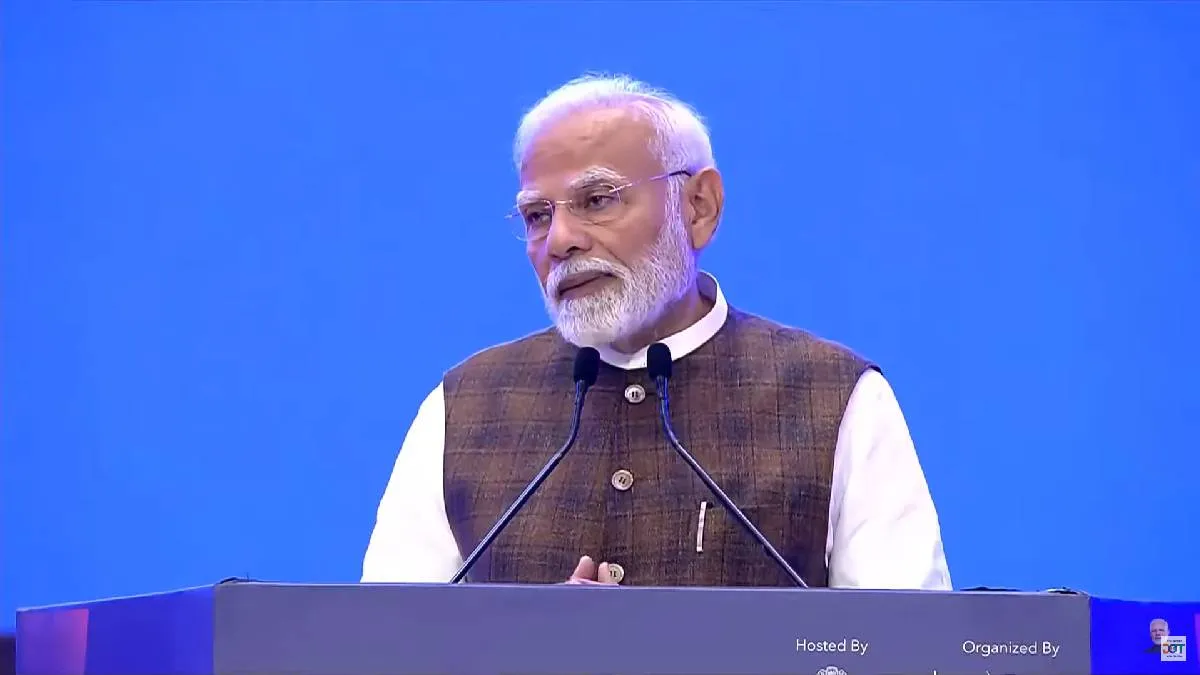
In the 121st episode of Mann Ki Baat, Prime Minister Narendra Modi once again connected with the citizens of the country and discussed several important initiatives. Among them, he highlighted the Sachet App, a crucial tool that every Indian smartphone user should know about. Wondering what it is and how it can help you? Here’s all you need to know.
What is the Sachet App?
The Sachet App is a national disaster warning portal and mobile application developed by the National Disaster Management Authority (NDMA). Its primary function is to provide real-time alerts related to potential natural disasters across different regions of the country. Whether it's information about heavy rainfall, cyclones, floods, or earthquakes, Sachet ensures that critical warnings reach users instantly.
- Download the Sachet App on your phone
- Getting the Sachet App is very easy.
- Android users can download it directly from the Google Play Store.
- iPhone users can get it from the Apple App Store.
Make sure you have it installed so you can stay informed and prepared for any emergency.
How does the Sachet App work?
- The Sachet App uses your smartphone’s GPS location to send geo-targeted alerts.
- It continuously tracks weather patterns, wind speed, rainfall, and temperature specific to your current location.
- If any warning signs of a disaster arise in your area, the app immediately sends you a notification, giving you enough time to take precautions.
- Importantly, all alerts are sent through official government sources, ensuring the information is authentic and trustworthy.
Disaster safety tips inside the app
Apart from alerts, the Sachet App also provides important guidelines on what actions to take before, during, and after a disaster strikes. Whether it's an earthquake, flood, cyclone, or even a heatwave, the app offers simple and practical advice that could potentially save lives.
Multi-language support for wider reach
Understanding the importance of reaching every citizen, the Sachet App offers support for multiple languages, including Hindi, English, and other regional languages. This makes the critical information accessible to people across different parts of India.
