
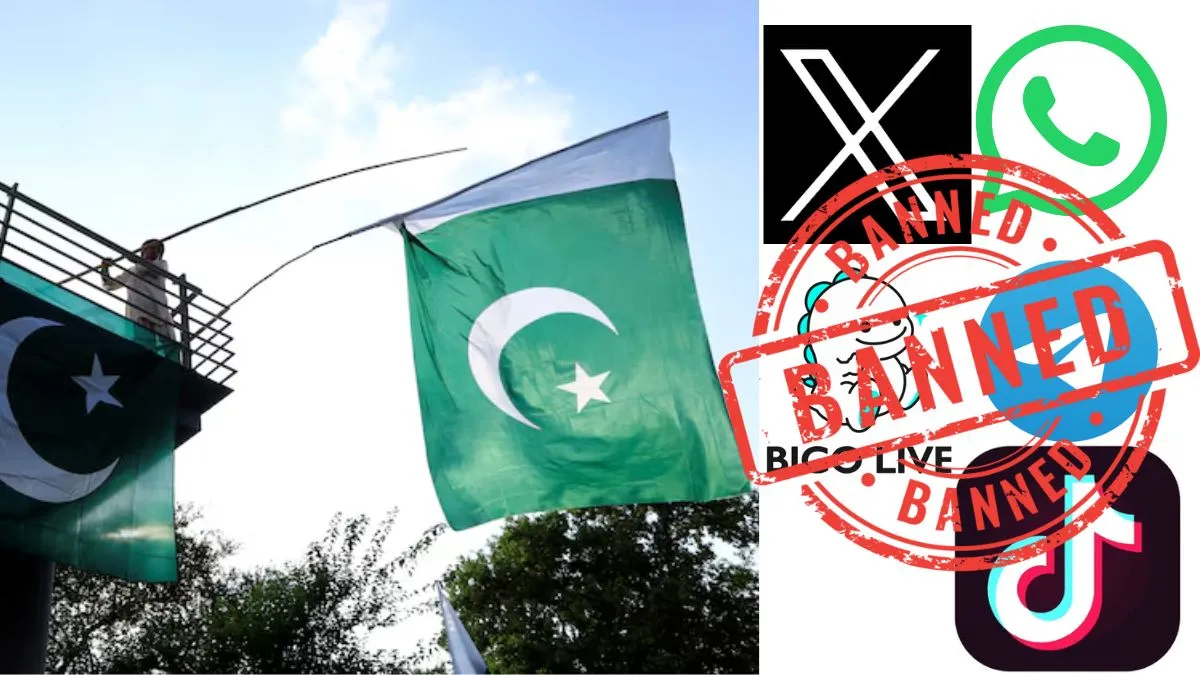
Pakistan has implemented bans on several widely used social media applications, including TikTok and Telegram. The government's actions stem from concerns about content deemed to be against religious principles, as well as broader issues related to national security and cultural values. This trend of restricting access to online platforms has raised concerns about freedom of speech and digital access within the country.
TikTok: Repeated Bans Culminate in Complete Prohibition
The short-video sharing platform TikTok, owned by Chinese company ByteDance, has faced repeated bans in Pakistan over the past few years. The government cited the presence of "objectionable content" as the primary reason for these restrictions. While some users continue to access the platform via Virtual Private Networks (VPNs), the government has ultimately decided to impose a complete ban on the app.
Telegram: Ban amidst concerns of extremist activity
The instant messaging application Telegram has also been banned in Pakistan. The government's decision was based on suspicions that extremist groups were utilizing the platform to spread misinformation and fake news. This ban faced strong opposition from various sectors of society, including the business community, journalists, and activists, who rely on Telegram for communication and information sharing.
WhatsApp VoIP Services: Temporary disruption
Pakistan previously banned WhatsApp's Voice over Internet Protocol (VoIP) service, effectively preventing users from making calls through the Meta-owned messaging app. While this ban disrupted communication for a period, the government eventually lifted the restrictions, allowing VoIP services to resume.
Bigo Live: Restrictions based on content and cultural values
The Chinese video calling application Bigo Live has also been subjected to a ban in Pakistan. The government cited similar reasons as with TikTok, pointing to concerns about "objectionable content." Additionally, the ban was motivated by considerations of national security and the preservation of cultural values, reflecting the government's approach to regulating online content.

X (formerly Twitter): Banned during elections
Elon Musk's social media platform, X (formerly known as Twitter), has also faced restrictions in Pakistan. Notably, the platform was banned during the general elections held in the country last year. This action highlights the government's willingness to restrict access to major social media platforms during critical periods. The article also notes the irony of government agencies accessing X via VPN.