
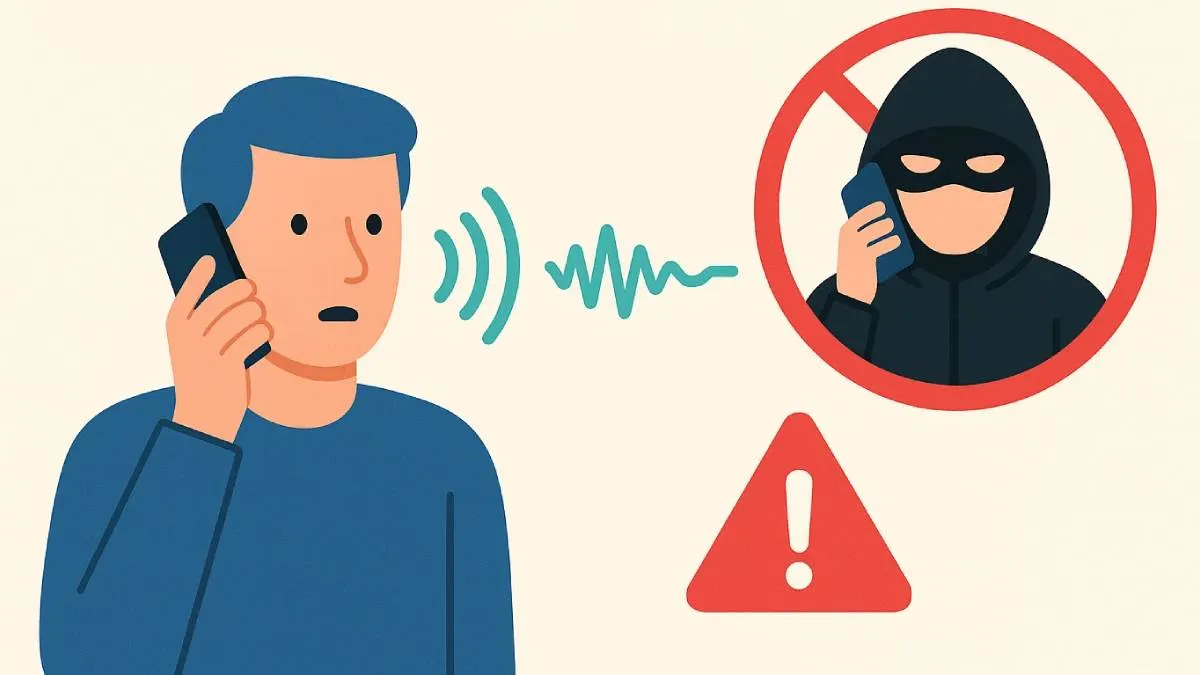
OpenAI CEO Sam Altman cautioned the financial sector about a looming fraud crisis, attributing it to artificial intelligence's capability to mimic human voices and bypass security protocols for illicit money transfers. Speaking at a Federal Reserve conference, Altman expressed alarm that some financial institutions still rely on voiceprints for authentication, noting that AI has completely compromised this method.
Voiceprinting gained traction over a decade ago as an identification method for affluent bank clients, requiring them to speak a specific phrase for account access. However, Altman indicated that AI-generated voice clones, and eventually video clones, are becoming increasingly realistic, necessitating new verification approaches. Although voiceprinting is less common in Indian banks, this technology could be used to impersonate friends and family members, potentially leading to fraud. Fed Vice Chair for Supervision Michelle Bowman, who hosted the discussion with Altman, suggested that this could be an area for potential collaboration.
How to protect yourself from Voiceprinting scam:
- When you receive a call from any number, keep a tab on odd pauses or strange voice sounds. These can mean it's a recorded message or a fake voice made by a computer.
- Even if you get a call that looks familiar or is from a number you know, be careful if what they ask for something that seems strange or if they are in a hurry.
- Scammers often try to make you act fast. Always be careful if they pressurise you and don't give out personal information or make quick payments.
- If someone calls and asks for something unexpected, especially personal details or money, be suspicious. Never give out important details over the phone.
ALSO READ:
Police nabs interstate gang behind social media investment scams: Tips to protect yourself
Google offers first look at Pixel 10 Series around month ahead of its launch: Here's what's new
