
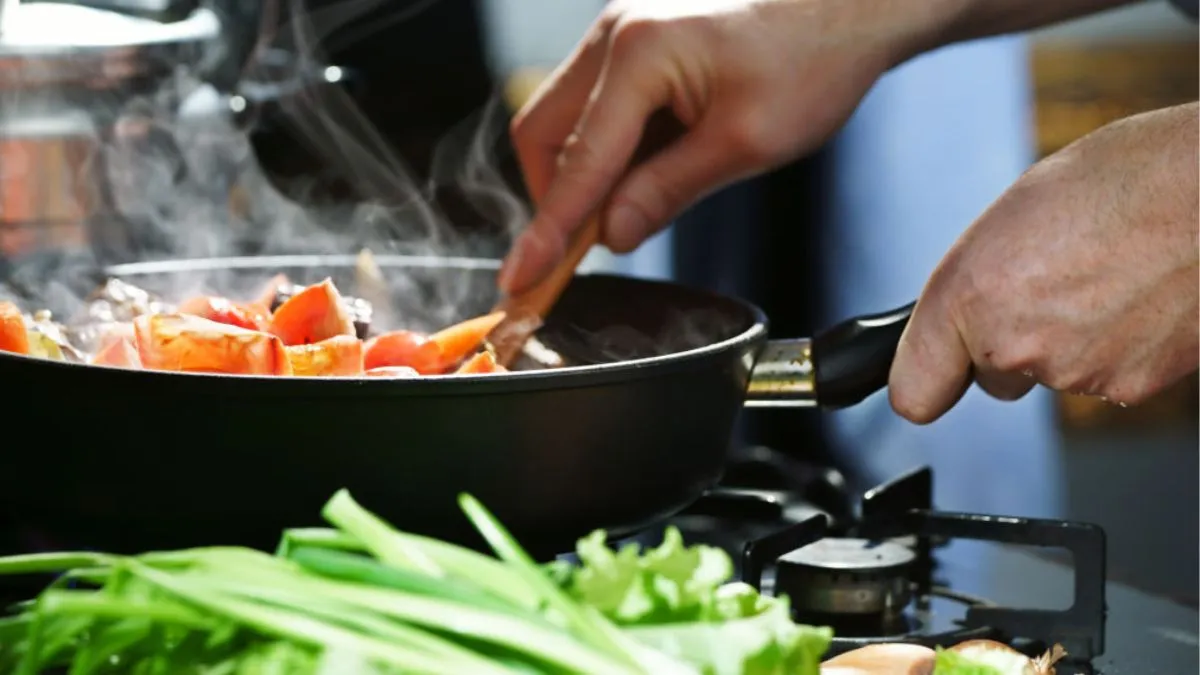
When people worry about air pollution, they usually picture cars stuck in traffic, factory chimneys, or city smog. Truth is, your kitchen can be just as bad or sometimes worse when you start cooking. Frying, grilling, and running a gas stove, as they all send out invisible gases and ultra-fine particles that pollute the air. It does not take long, either. In just a few minutes, you can push indoor air quality from safe to downright harmful. And in homes with poor ventilation, all that pollution stays inside a lot longer than you might think.
Gas stoves release harmful invisible gases
Gas stoves get a lot of blame here and for good reason. Every time you turn on a burner, it releases gases like nitrogen dioxide, carbon monoxide, and benzene. Scientists have found that kitchens with gas burners sometimes have dirtier air than busy city streets. And it’s not just when you are cooking.
Gas stoves can leak benzene even when turned off. Benzene is bad news, as it’s linked to cancer. Pollution levels from gas stoves climb fast, especially in small kitchens with hardly any ventilation.
Frying and burnt oil create dangerous fine particles
It’s not just the gas. Cooking with hot oil, frying, or grilling makes things worse. As soon as you heat oil, tiny droplets and grease particles start floating through the kitchen, and they do not stop at the door. Those fine particles end up in bedrooms and living rooms, too. Things get especially bad when oil starts to smoke. Smoke means the oil’s breaking down, releasing nasty chemicals like acrolein. Acrolein irritates your eyes and throat, makes you cough, and can mess with your breathing. And just because you finish cooking doesn’t mean those particles disappear, they hang around in the air for a while.
Fine cooking particles can enter the bloodstream
All this is not just about discomfort, there are long-term health problems to worry about. Those tiny particles from cooking are small enough to slip deep into your lungs. Some even make it into your bloodstream. Over time, breathing in that pollution can trigger asthma, chronic lung irritation, inflammation, heart problems—you name it. Kids and older adults have a tougher time dealing with these pollutants, so the risks are even higher for them.

Simple ways to reduce kitchen air pollution
There are a few easy fixes to keep indoor air safer while you cook.
- Use your exhaust fan and cook on the back burners. Fans above the stove work best when the smoke rises right under them.
- Do not overheat oil. Go for oils with a high smoke point so you get less smoke and fewer chemicals.
- Crack open a window while you’re cooking. Even a little ventilation makes a big difference.
- Keep the exhaust fan running at least 10 minutes after you finish. That helps clear lingering pollutants.
- Clean your kitchen chimney and filters regularly so the fan can do its job.
People ignore kitchen air pollution, but it really matters. The pollution from gas stoves and hot oil piles up quickly, and it puts your family’s health at risk. The good part is, with better ventilation, simple cooking habits, and a little attention to your appliances, you can breathe easier inside your own home.