
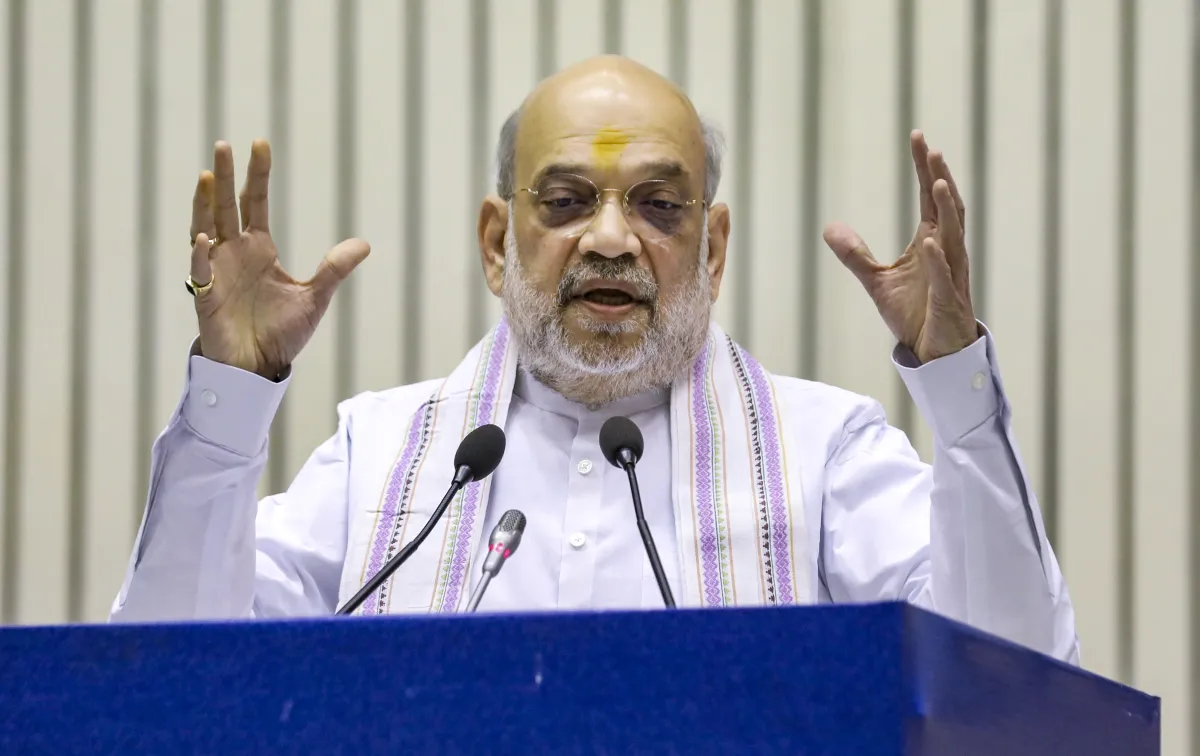
Amit Shah, the Union Home Minister of India, has officially announced the switching of his email services from international rivals to Zoho Mail, the Chennai-based Indian alternative to global email providers. Shah's announcement of his move from a social media post, which surfaced today (on October 8, 2025), highlights the government's growing push toward homegrown digital platforms.
In his X post (formerly known as Twitter), Shah shared his new email ID—amitshah.bjp@zohomail.in—and urged the citizens of India to use it for future correspondence. His message read, "Hello everyone, I have switched to Zoho Mail. Kindly note the change in my email address."
The tweet quickly went viral, drawing praise from Indian tech enthusiasts and entrepreneurs who viewed it as a strong endorsement of India's digital self-reliance mission.
Why did Amit Shah switch to Zoho Mail?
Sources suggest that the move was a part of a broader effort towards supporting indigenous technology platforms, ensuring better data privacy and local control. As cyber threats grow worldwide, India's leadership has been increasingly focusing on using secure, homegrown alternatives instead of relying on foreign tech giants, which might be prone to personal data breaches, as witnessed in the past.
By adopting Zoho Mail, Shah's office sets an example for others in government and politics to follow suit — embracing Indian platforms that are built and hosted within the country.

What is Zoho Mail?
Zoho Mail, launched by Zoho Corporation, is a Chennai-based email and productivity platform co-founded by Sridhar Vembu and Tony Thomas in 1996. With over 130 million users globally, Zoho has become one of India's most successful tech exports, offering business tools like Zoho CRM, Zoho Workplace, and Zoho Cliq.
Zoho Mail is known for its ad-free, privacy-first approach, strong spam filters, and data servers located in India — making it particularly appealing for government and corporate use.
How Zoho competes with global rivals
While Gmail and Outlook dominate the market, Zoho Mail offers a completely ad-free experience, prioritising user privacy over monetisation. The platform integrates seamlessly with Zoho's larger ecosystem, allowing teams to manage communication, documents, and workflows securely in one place.
Zoho's privacy commitment and local infrastructure make it a strong alternative to global giants, particularly for users who value data security and "Made in India" solutions.
Is Zoho also competing with WhatsApp?
Recently, Zoho expanded into messaging with its app Arattai, a privacy-focused Indian alternative to the WhatsApp instant messaging platform. The company confirmed that it is testing end-to-end encryption for chats as well, a feature which is already available for voice and video calls.
With this, Zoho aims to offer a secure Indian communication suite across email and messaging.
The future of Indian tech platforms
Amit Shah's decision signals a growing confidence in Indian technology companies. As more government officials and businesses shift to local platforms, Zoho's example could inspire a broader "digital independence" movement in India – reducing reliance on foreign tech infrastructure while boosting innovation at home.