
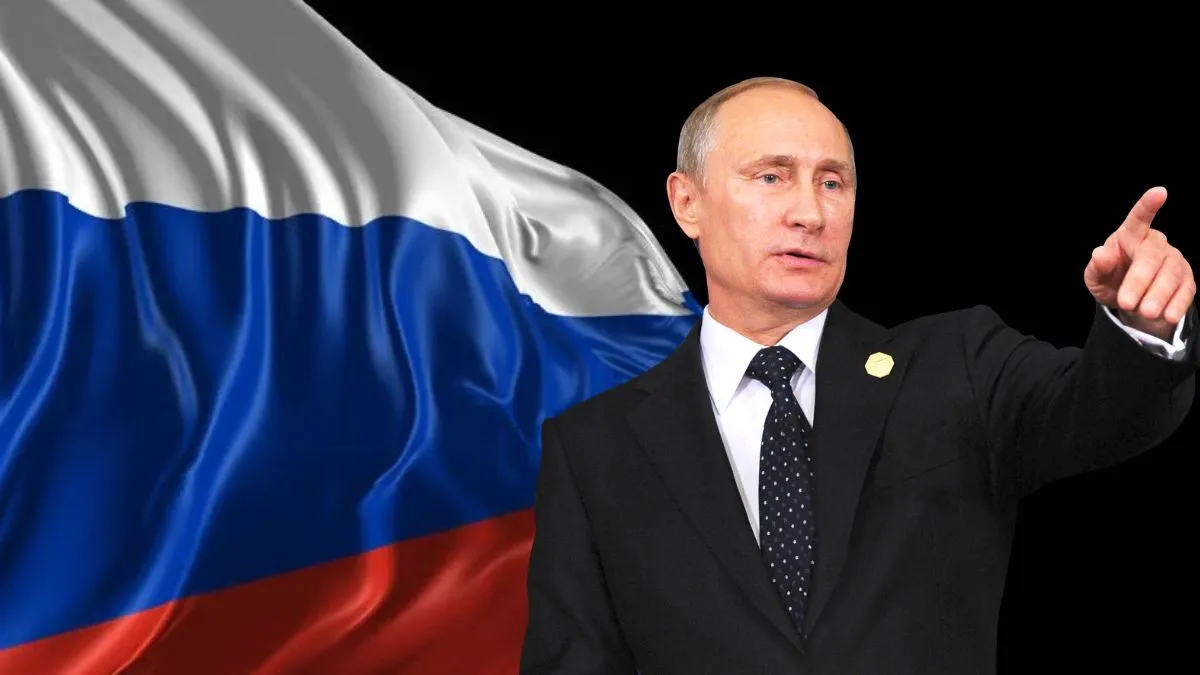
President Vladimir Putin has signed a new set of laws designed to drastically increase the Kremlin’s control over the internet in Russia. These measures aim to restrict online freedom, push out Western platforms, and bring digital life under state-approved apps and services.
MAX: Russia’s state-mandated messaging app
Starting next month, all new smartphones sold in Russia will come pre-installed with MAX, a government-developed messaging and services app. Officials describe MAX as Russia’s answer to China’s WeChat: an all-in-one platform for chatting, posting updates, making payments, and accessing government services.
The Kremlin has already begun testing MAX in schools, with authorities hinting it could soon become mandatory for teachers, parents, and even students. Experts warn that this level of integration will make MAX unavoidable in everyday Russian life.

WhatsApp, Telegram and VPNs under threat
Deputy head of Russia’s IT committee, Anton Gorelkin, recently warned WhatsApp to “prepare to leave the Russian market.” With nearly 100 million Russian users, losing WhatsApp would mark a massive shift in how people communicate.
Telegram, while not yet banned, is also on thin ice. Officials describe it as an “entity that worries the state,” and its future in Russia depends on continued cooperation with authorities.
Meanwhile, the Kremlin is cracking down on VPNs — nearly 200 services have already been blocked, and new laws ban VPN advertising. Using a VPN to commit a crime will now be treated as an “aggravating circumstance,” raising fears of harsher penalties.
Why the Kremlin wants a ‘Sovereign Internet’
Analysts say the ultimate goal is a “sovereign internet” — a closed ecosystem where Moscow can fully control online activity, censor information, and block foreign platforms at will. MAX is just the latest move in this strategy, following years of banning Western apps, criminalising online dissent, and silencing critics.
“This is about absolute control,” said Human Rights Watch researcher Anastasiia Kruope. “They are getting better, and that’s reason enough to start paying attention.”
Resistance and mockery
Despite the crackdown, many Russians still access banned platforms through VPNs and continue to mock government efforts online. MAX itself has become a meme, with influencers ridiculed for praising the app on banned platforms like Instagram.
But with VPN restrictions tightening and critics being arrested — including prominent bloggers and channel editors — the digital cat-and-mouse game between Russian authorities and citizens is growing more intense by the day.