
India's power planning authority has unveiled an ambitious Rs 6.4 trillion ($77 billion) transmission plan to harness and transport more than 76 gigawatts (GW) of hydroelectric capacity from the Brahmaputra basin by 2047, the Central Electricity Authority (CEA) announced on Monday. The initiative aims to meet growing electricity demand while bolstering India’s clean energy goals.
Coverage and capacity
The plan encompasses 208 large hydro projects across 12 sub-basins in the northeastern states, with a total potential of 64.9 GW from conventional hydro plants and an additional 11.1 GW from pumped-storage projects. Arunachal Pradesh, located along the China border, alone accounts for 52.2 GW of potential capacity.
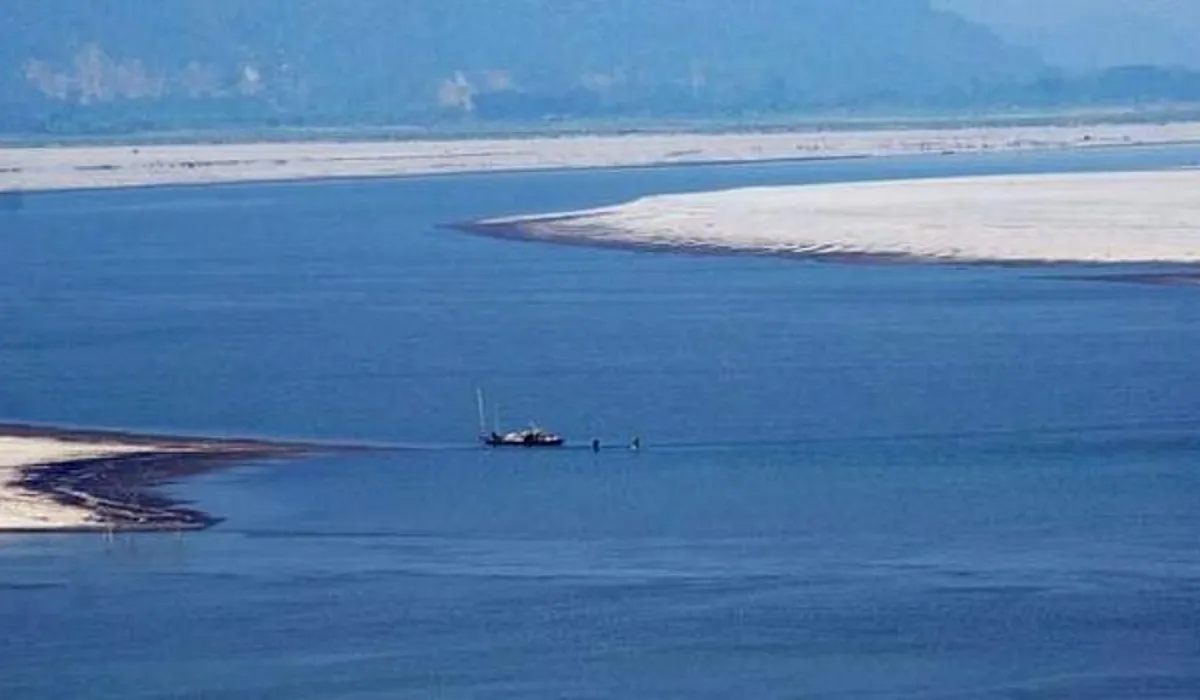
The Brahmaputra River, originating in Tibet, flows through India and Bangladesh, offering substantial hydro potential in its Indian stretch. Its transboundary nature and proximity to China make water management and infrastructure development strategically important, particularly amid concerns over reduced flows due to upstream Chinese dams on the Yarlung Zangbo.
Phased investment plan
The CEA outlined a two-phase investment approach. Phase one, extending to 2035, will require Rs 1.91 trillion, while phase two is projected to cost Rs 4.52 trillion. The plan also includes projects allocated to central public sector utilities, including NHPC, NEEPCO, and SJVN, with some projects already underway.
Strategic importance and clean energy goals
The Brahmaputra basin spans Arunachal Pradesh, Assam, Sikkim, Mizoram, Meghalaya, Manipur, Nagaland, and West Bengal, holding more than 80% of India’s untapped hydro potential. Developing these resources aligns with India’s larger energy objectives, including 500 GW of non-fossil power capacity by 2030 and achieving net-zero emissions by 2070.
The plan is expected to enhance energy security, support regional development, and provide a robust transmission network to carry clean energy from remote hydro projects to high-demand centres across India.
