
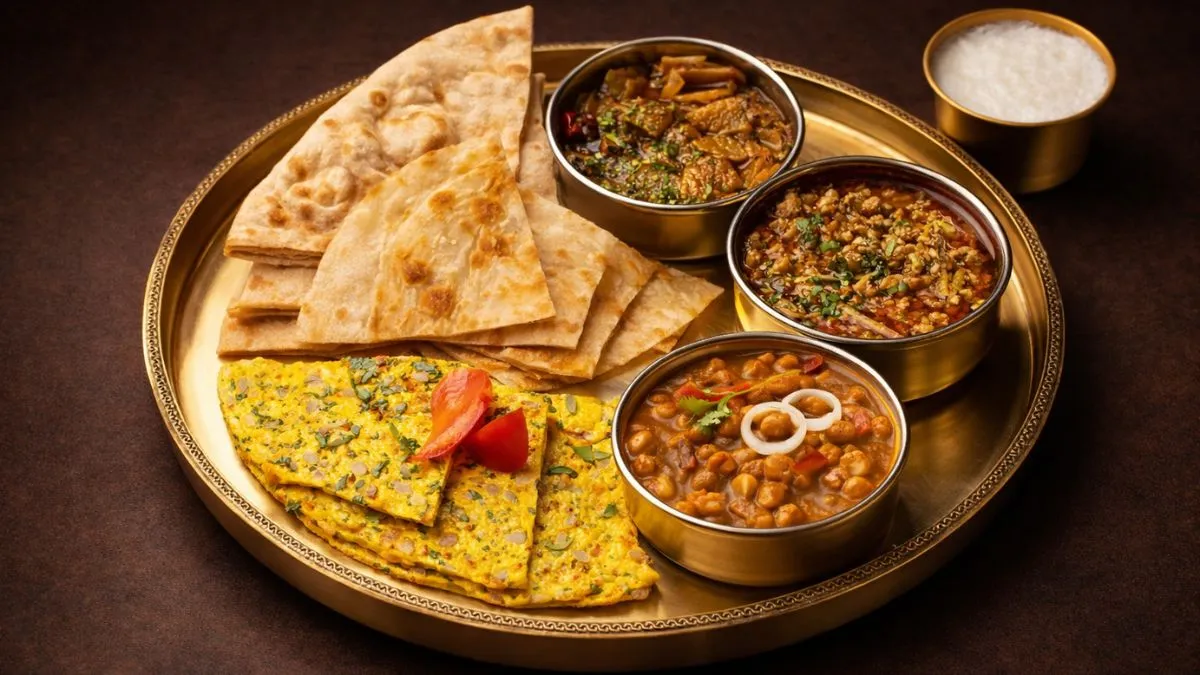
Ramadan mornings move differently. The alarms ring earlier than usual. Kitchens light up before sunrise. Sleep still lingers in the air, but so does quiet purpose. Sehri, or Suhoor, becomes the meal that sets the tone for the entire fasting day.
Unlike Iftar, which gathers noise and community, Sehri feels softer. More personal. Timed precisely before Fajr prayer, it marks the final window to eat and hydrate before the fast begins. For those observing on February 22, 2026, here’s a city-wise look at Sehri timings across key Indian metros.
Sehri time in Lucknow – 22 February 2026
In Lucknow, Sehri is expected to end at 05:19 AM.
The pre-dawn window here closes slightly earlier than many other cities. Households typically finish meals a few minutes before the cut-off, allowing time for prayer preparation.
Sehri time in Delhi – 22 February 2026
For the national capital, Sehri will end at 05:34 AM.
The additional minutes compared to Lucknow offer a slightly longer preparation window. Still, most observers prefer finishing meals early to avoid last-minute rush.
Sehri time in Hyderabad – 22 February 2026
In Hyderabad, Sehri concludes at 05:25 AM.
The timing sits between North Indian metros, reflecting regional sunrise differences. Mosques usually announce the closing window to guide observers.
Sehri time in Mumbai – 22 February 2026
Mumbai records the latest Sehri among the listed cities at 05:50 AM.
Being further west, sunrise arrives later, extending the pre-fast meal window. For many, this allows a more relaxed Sehri routine compared to northern cities.
What is Sehri?
Sehri, also called Suhoor, is the pre-dawn meal consumed before the daily fast begins in Ramadan. It is eaten before the Fajr prayer and is meant to sustain energy levels through the day-long fast. Meals often focus on hydration and slow-releasing foods. Simple but intentional. Less about variety, more about nourishment and readiness for the hours ahead.
Disclaimer: The information provided here is based on religious beliefs and popular traditions. There is no scientific evidence to support it. India TV does not vouch for the accuracy of any of the information.
ALSO READ: Ramadan prayers for fasting and breaking fast: Sehri and Iftar dua
