
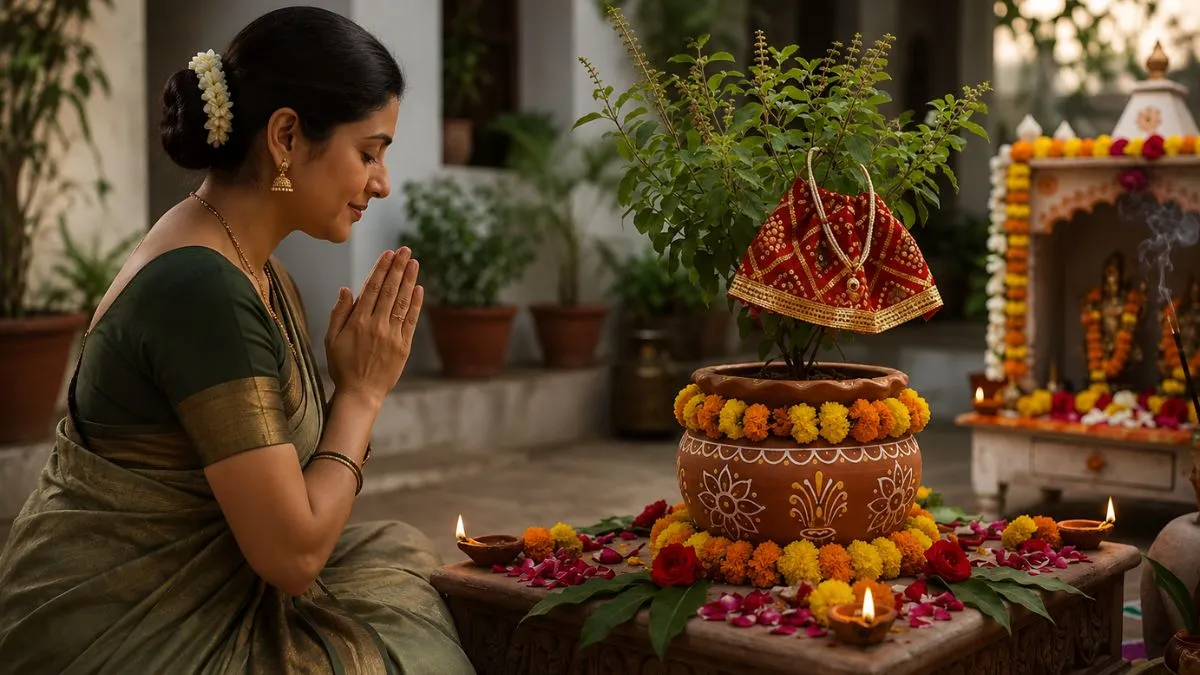
Apara Ekadashi is considered one of the important Ekadashi observances in Hindu tradition. Falling during the Krishna Paksha of the Jyeshtha month, this Ekadashi is believed to carry special spiritual significance. The word “Apara” is associated with limitless blessings and merits, which is why many devotees observe the fast with deep faith.
In 2026, Apara Ekadashi will be observed on May 13. According to religious beliefs, the day is considered especially powerful for worshipping Vishnu and Lakshmi together. Many devotees believe the vrat and related rituals may help remove negativity, financial struggles and the effects of past mistakes committed knowingly or unknowingly.
3 remedies believed to help improve financial stability
1. Yellow cowrie shell remedy
On the morning of Apara Ekadashi, offer five yellow cowrie shells at the feet of Lord Vishnu and Goddess Lakshmi during puja. After the worship is complete, tie the shells in a red silk cloth and keep them inside your locker or cash box. According to traditional beliefs, this remedy is associated with attracting financial stability and prosperity.
2. Abhishek with Dakshinavarti conch
To seek the blessings of Goddess Lakshmi, fill a Dakshinavarti conch with milk mixed with saffron and use it for abhishek of Lord Vishnu. It is believed this ritual helps maintain abundance related to food and wealth in the household.
3. Turmeric and saffron tilak
Apply a tilak made of turmeric and saffron to Shri Hari on this day. Devotees also make a swastika symbol with turmeric near the main entrance of the house. Many people believe this ritual helps keep negative energy away from the home.
5 mistakes to avoid during Tulsi worship
1. Avoid offering water to Tulsi
Religious beliefs suggest water should not be offered to the Tulsi plant on Ekadashi. It is believed that Goddess Tulsi observes a nirjala fast for Lord Vishnu on this day, and offering water may interrupt the vrat.
2. Do not pluck Tulsi leaves
Plucking Tulsi leaves on Ekadashi is considered inauspicious in Hindu tradition. If leaves are needed for bhog or worship, devotees usually collect them a day earlier on Dashami.
3. Avoid touching Tulsi in an impure state
Devotees avoid touching the Tulsi plant after sunset or without bathing. In the evening, many people simply light a ghee diya near the plant and pray from a distance.
4. Do not keep dried Tulsi at home
Keeping a completely dried Tulsi plant inside the home is considered linked to bad luck in some beliefs. If the plant dries out, devotees respectfully immerse it in flowing water and plant a fresh Tulsi plant.
5. Avoid tamasic food
Many devotees avoid non-vegetarian food, alcohol, onion and garlic in homes where Ekadashi vrat and Tulsi worship are being observed. According to beliefs, such foods are considered unsuitable during the fast.
Correct Tulsi puja method on Apara Ekadashi
On the evening of Apara Ekadashi, devotees light a cow ghee diya near the Tulsi plant. While lighting the lamp, many chant the mantra “Om Namo Bhagwate Vasudevaya”.
After that, devotees perform 11 or 21 parikramas around the Tulsi plant while praying peacefully. According to traditional beliefs, this ritual is associated with improvement in the financial condition of the household and overall positivity at home.
Disclaimer: The information provided here is based on religious beliefs and popular traditions. There is no scientific evidence to support it. India TV does not vouch for the accuracy of any of the information.
ALSO READ: Vat Purnima 2026: Is the vrat in May or June? Check the correct date and puja timings
