
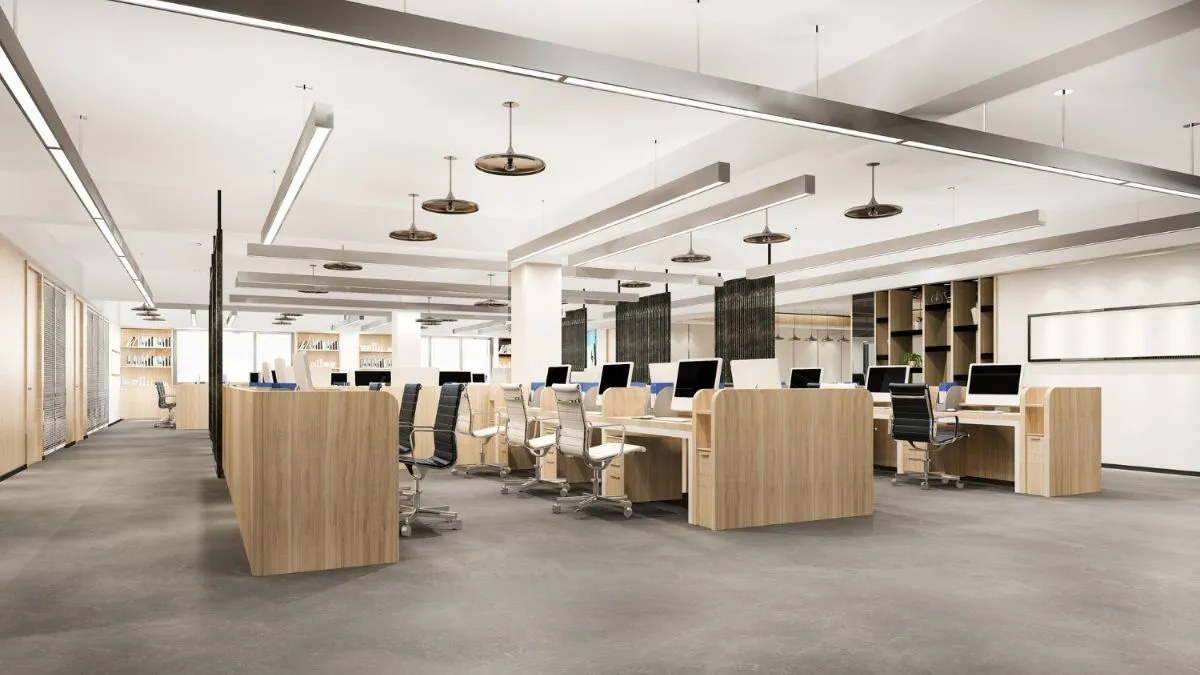
Workplaces are changing. Quietly, but quite clearly. What used to work a decade ago doesn’t land the same way anymore. Rows of desks, fixed seating, rigid routines. That model still exists, but it doesn’t really connect with a newer workforce.
According to Sammeer Pakvasa, Managing Director and CEO, Eleganz Interiors Limited, the idea of a “healthy workplace” itself is shifting. “For years, offices were designed around efficiency, with enough desks, lighting, and structure to keep operations running smoothly. That approach worked in its time, but it no longer feels sufficient,” he explains. Expectations have clearly moved.
What a healthy workplace means for Gen Z
Gen Z looks at work differently. It’s not just about desks and output anymore. “This generation looks beyond the physical setup. Comfort, flexibility and a sense of belonging matter deeply,” Pakvasa says. For them, wellbeing and work are closely connected, not separate ideas.
Why traditional offices are falling short
Older setups were built for structure and hierarchy. “Traditional environments were designed to reinforce order, but today they can feel restrictive,” he notes. Gen Z is used to fast, adaptable environments and expects the same from workspaces.
Why offices need flexible and experience-driven spaces
A single format workspace no longer works. “What we are seeing is a shift towards experience-driven environments,” he explains. Offices now need a mix of spaces. Areas for collaboration, and also quieter zones for focused work. One layout cannot support everything.
How design and culture impact wellbeing
Design is no longer just about aesthetics. “Thoughtful design can encourage interaction, improve focus and reduce stress,” Pakvasa says. Even simple things like natural light and ventilation matter. At the same time, “a healthy workplace also has an emotional dimension. People want to feel heard, included and respected,” he adds. The space often reflects this culture.
Why the role of offices is being redefined
Work is no longer tied to a place. “People are now questioning why they need to come into the office at all,” he explains. The answer lies in experience. Collaboration, learning, community. “The focus needs to move from maximising space to enabling experience,” Pakvasa says. When that alignment is missing, it can lead to disengagement. When it works, it builds stronger teams.
ALSO READ: Why Gen Z is taking preventive health more seriously: Biohacking expert explains
