
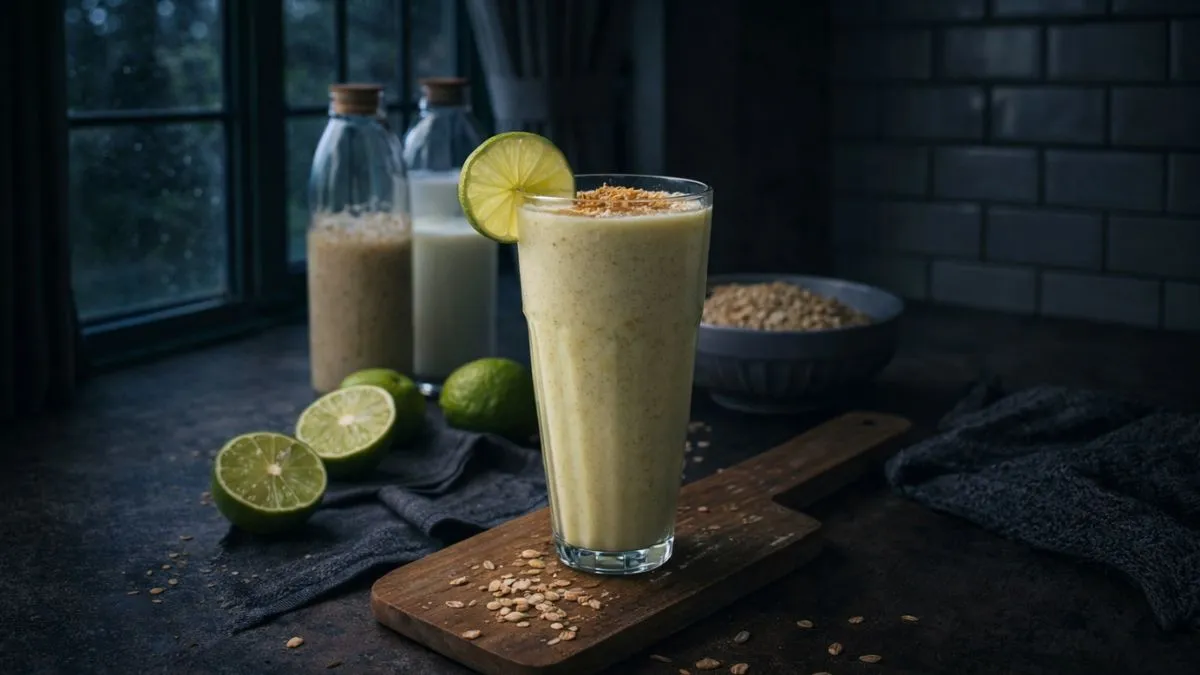
Oatzempic is suddenly everywhere. TikTok, Instagram reels, WhatsApp forwards. A simple drink has somehow picked up a name that sounds suspiciously close to a prescription weight-loss drug, and that alone has made people curious. Some are trying it. Others are side-eyeing it. Most are just wondering what the fuss is about.
The buzz is loud, but the idea itself is surprisingly basic. No injections. No miracle pills. Just oats, water, and a bit of online hype. Still, with weight-loss trends, it’s always worth slowing down and looking at what’s actually going on.
What is Oatzempic
Despite the name, Oatzempic has nothing to do with Ozempic or any medication. It’s a homemade oat-based drink that people consume in the morning, often on an empty stomach. The idea behind it is simple. Oats are high in soluble fibre, especially beta-glucan, which slows digestion and helps you feel full for longer.
The trend claims this fullness reduces appetite through the day, leading to lower calorie intake. That’s the entire theory. No hormone manipulation. No direct fat-burning effect. Just satiety doing its thing.
How to make Oatzempic
- Take half a cup of rolled oats
- Add water and blend until smooth
- Some people soak the oats overnight before blending
- Optional additions include a pinch of cinnamon or a few drops of lemon juice
Sweeteners are generally avoided. It’s consumed as a drink, usually in the morning. Not exactly a meal replacement, but many use it to delay their first proper meal.
Does Oatzempic really work and what science says
There is no scientific study on Oatzempic as a trend. None. But there is plenty of research on oats and dietary fibre. High-fibre foods are known to improve satiety, stabilise blood sugar spikes, and support gut health. Eating oats can help some people snack less and manage portions more easily. That part is backed by science.
What it does not do is mimic weight-loss drugs. It doesn’t suppress appetite hormones in the same way. It doesn’t directly cause fat loss. And it won’t cancel out poor sleep, chronic stress, or overeating. If weight loss happens, it’s likely because total calorie intake drops. Not because the drink itself is doing anything special.
Disclaimer: Tips and suggestions mentioned in the article are for general information purposes only and should not be construed as professional medical advice. Always consult your doctor or a dietician before starting any fitness programme or making any changes to your diet.
ALSO READ: Ozempic launched in India: Diabetes drug’s price, dosage and what it means for patients
