
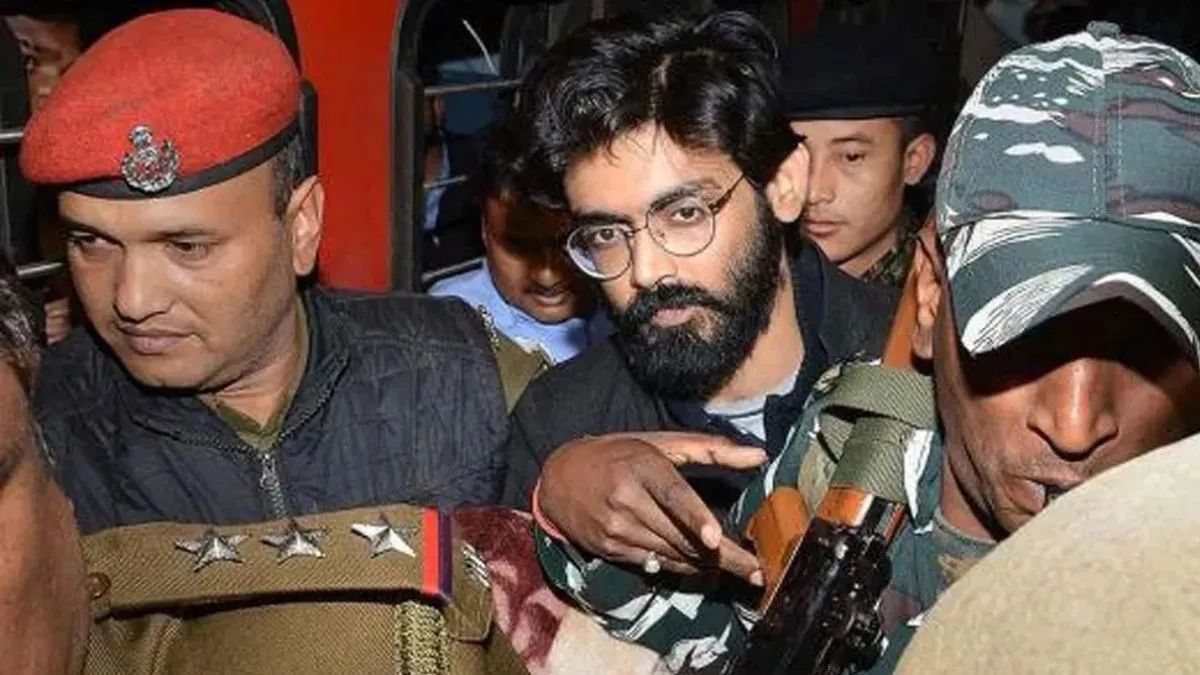
A Delhi court has granted 10 days of interim bail to activist Sharjeel Imam in connection with the 2020 Delhi riots conspiracy case, according to news agency PTI. The relief was given so that Imam can attend his brother’s wedding and look after his sick mother. Additional Sessions Judge Sameer Bajpai of the Karkardooma Courts approved the interim bail request. The court allowed Imam to remain out of custody for a limited period of 10 days before he returns as per the court’s direction.
Everything you need to know about the Delhi riots case
Sharjeel Imam is one of the accused in cases related to the violence that took place in Delhi in 2020. In an earlier order, the court had framed charges against him in connection with the Jamia Millia Islamia violence case.
At that time, the court observed that Imam was not just an instigator but was also among those who were allegedly part of a larger plan linked to the violence. The court had also examined a speech delivered near Jamia Millia Islamia University on December 13, 2019, which it described as highly provocative.
What are the charges filed against Iman?
Sharjeel Imam has been booked under several sections of the Indian Penal Code. These include charges related to:
- Criminal conspiracy
- Abetment
- Rioting and unlawful assembly
- Promoting enmity between groups
- Attempt to commit culpable homicide
- Obstructing a public servant
- Causing damage using fire or explosive substances
He also faces charges under provisions of the Prevention of Damage to Public Property (PDPP) Act. In an order dated March 7, the court said that the large gathering of people and the riots that followed were not sudden or accidental events.
According to the court, such large-scale unrest could not have taken place without planning. It noted that the events appeared to be connected to a broader conspiracy involving those who were leading or encouraging the crowd, while other people later joined the gathering.
The prosecution had argued that Imam’s speech on December 13, 2019 encouraged people to organise a “chakka jam”, or a blockade of public movement. The court observed that Imam, who was a senior PhD student at the time, carefully presented his speech in a way that mainly addressed members of the Muslim community while indirectly targeting others.
According to the court’s earlier remarks, the speech was designed to create anger and could lead to large gatherings blocking public roads.
