
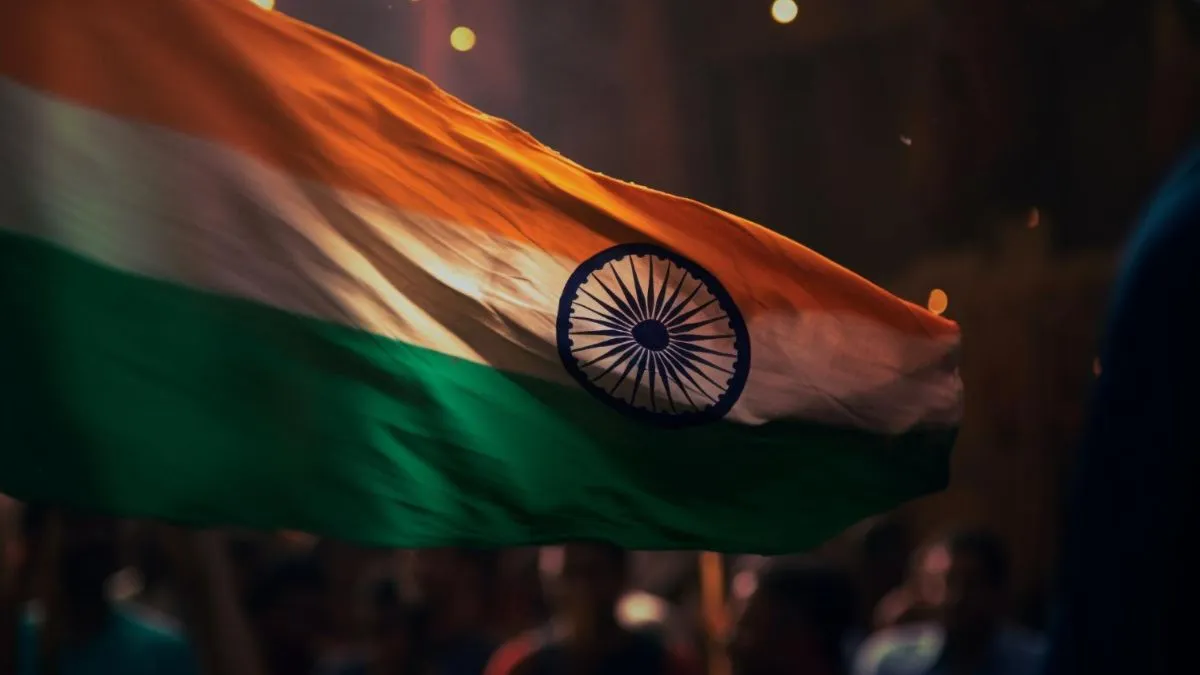
As August 15 approaches, the familiar question around India's Independence Day count comes up again: is 2026 the 79th or 80th Independence Day? The confusion is understandable, especially because a simple calculation based on the year India became independent can lead to one number, while counting the Independence Day celebrations gives another.
India became independent from British rule on August 15, 1947, and the date has been observed as Independence Day ever since. So while 2026 marks 79 years since India gained freedom, the country will also be marking its 80th Independence Day. Here's how the two numbers work.
79 years of independence, 80th Independence Day
The easiest way to understand the difference is to look at what exactly is being counted. Subtracting 1947 from 2026 gives 79, meaning India will have completed 79 years of independence on August 15, 2026.
But August 15, 1947 was itself the first Independence Day. The following year, August 15, 1948, was the second Independence Day, even though India had completed only one year of independence.
The same count continues through the years. That means August 15, 2026 will be the 80th Independence Day, while India will simultaneously complete 79 years of independence.
Independence Day 2026 theme
The national celebrations in 2026 focus on the theme "Yuva Shakti for Viksit Bharat@2047", alongside the commemoration of "150 Years of Vande Mataram".
The theme highlights the role of India's young generation in helping the country become a developed nation by 2047, when India will complete 100 years of independence. The focus areas include technological progress, green energy transitions, self-reliance in defence and youth-led innovation.
The 150-year commemoration of "Vande Mataram" also pays tribute to the national song and its role in inspiring people during India's freedom struggle.
Why August 15 is important
India achieved independence at midnight between August 14 and 15, 1947, bringing nearly two centuries of British colonial rule to an end. The freedom struggle involved decades of sacrifice and the leadership of prominent figures including Mahatma Gandhi, Jawaharlal Nehru, Sardar Vallabhbhai Patel, Netaji Subhas Chandra Bose and Bhagat Singh.
The Indian Independence Act of 1947 formally established India as a sovereign nation. After independence, Jawaharlal Nehru began the tradition of addressing the nation and hoisting the national flag from the Red Fort.
How India celebrates Independence Day
The main national Independence Day ceremony takes place at the Red Fort in New Delhi, where the national flag is hoisted and accompanied by a 21-gun salute.
Across the country, state governments, schools, colleges and local communities organise flag-hoisting ceremonies, parades and cultural programmes. The day is also an occasion to remember the sacrifices made during the freedom struggle and honour those who helped shape independent India, while reflecting on national unity and democratic values.
ALSO READ:
