
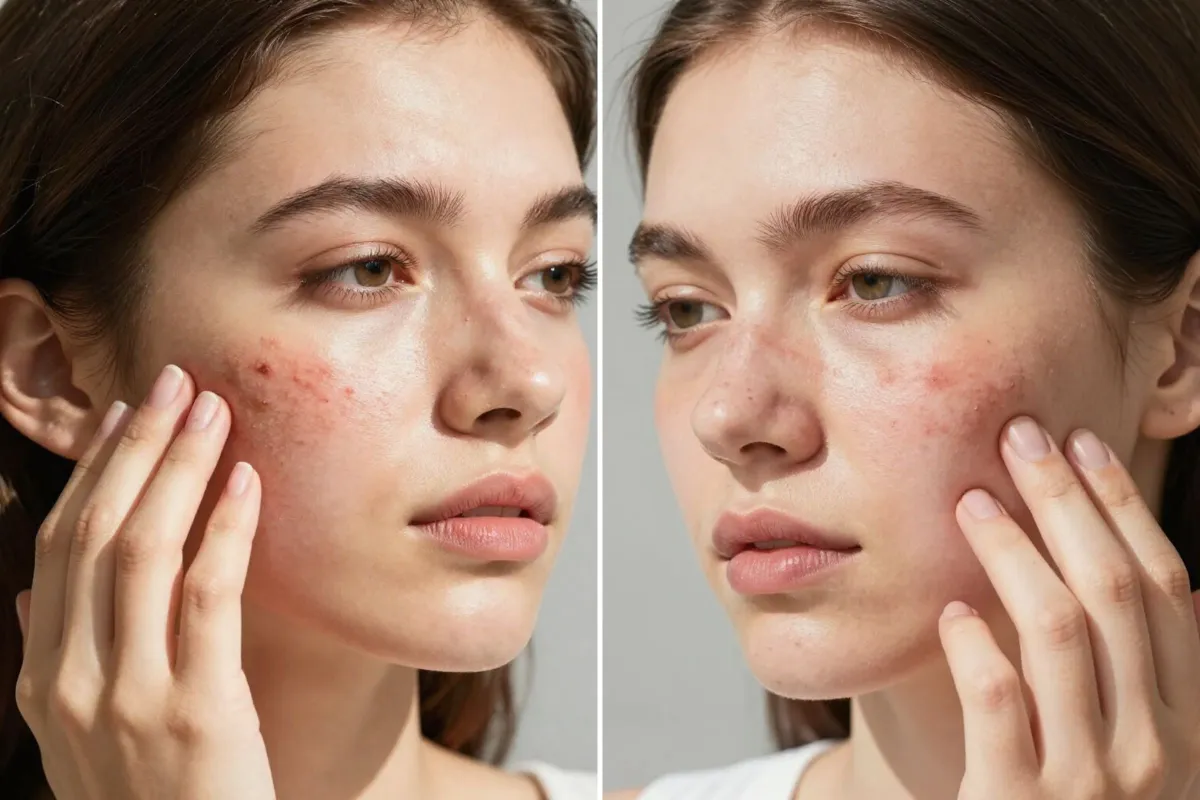
Spending time in the sun can be perceived as an easy way to have healthy skin. Many people think that the sun has the ability to dry up pimples, thus making acne disappear quickly. While that may appear true initially, dermatologists say the effect is usually temporary, and too much sun exposure can actually worsen breakouts.
According to Dr Priya Puja, MD (Dermatology) and Regional Medical Head at Kaya Limited, sunlight may give the illusion of clearer skin at first. “Ultraviolet rays dry out the surface layer of the skin and can kill some acne-causing bacteria, which makes pimples shrink temporarily,” says Dr Priya Puja. However, the skin quickly reacts to UV damage by trying to repair itself.
“Within a few days, the skin thickens and begins producing more oil, or sebum, to recover from sun damage. For acne-prone skin, this can lead to clogged pores and larger breakouts,” she explains.
How sun exposure can worsen acne
Excessive sun exposure can trigger inflammation in the skin. What begins as mild acne may turn into more severe and painful breakouts. “UV rays can inflame the skin and turn mild pimples into red, irritated cysts,” Dr Puja says.
Sun exposure can also dehydrate the outer layer of the skin. However, as this occurs, the body will try to compensate by producing more dead skin cells and oil, which will then clog up the hair follicles. In hot and humid weather, sweating can also worsen the problem by mixing with oil and dead skin cells, thus making blackheads and whiteheads appear.
Another concern is post-inflammatory hyperpigmentation, especially for people with darker skin tones. This can lead to stubborn dark spots after acne heals.
Protecting your skin without triggering breakouts
Dermatologists say proper sun protection is essential, even for acne-prone skin. “Choose oil-free, gel-based sunscreens that are labelled non-comedogenic so they don’t clog pores,” advises Dr Puja.
A broad-spectrum sunscreen with SPF 30 or higher can help protect your skin from UVA and UVB rays. It is equally important to reapply sunscreens after every two hours while outside. At night, it is important to cleanse your skin to remove sweat, sunscreens, and oils accumulated in your skin during the day.
Daily habits that help keep skin clear
Besides sun protection, there are some lifestyle habits that can help prevent flare-ups of acne. It is important to drink a lot of water and have a good skincare routine, says Dr Puja.
“Drink enough water and use a light moisturiser to keep the skin hydrated without making it greasy,” she says. Diet may also contribute to the control of acne. For instance, limiting the intake of foods rich in sugars and carbohydrates may help in controlling oil production.
Additionally, avoiding exposure to the sun between 10 AM and 4 PM, and instead using hats and umbrellas, may help in controlling acne. Acne is often influenced by various factors, including hormones, stress, and environmental factors. Although too much sun may help in controlling acne in the short term, too much sun can cause inflammation, oil production, and hence more serious acne.
“Too much sun can do more damage than good. Protecting your skin properly is the best way to keep it healthy,” Dr Puja says.
Also read: The ‘rainbow diet’ for glowing skin: Expert reveals foods that boost collagen and brightness
