
World Sepsis Day is observed every year on September 13. The day aims to raise awareness about sepsis and how to spot the early signs of the condition. Sepsis is a life-threatening condition wherein the body’s extreme and harmful response to an infection damages its own tissues and organs. This can lead to organ dysfunction, septic shock, and potentially death.
If sepsis is not treated immediately, it can lead to severe complications. From a sudden drop in blood pressure to damaged organs, sepsis can be fatal. While treatment can help manage the condition, it can also be prevented with the right measures and practices. Here are some simple hygiene practices that can help prevent sepsis.
Simple Hygiene Practices To Prevent Sepsis
Regular Handwashing
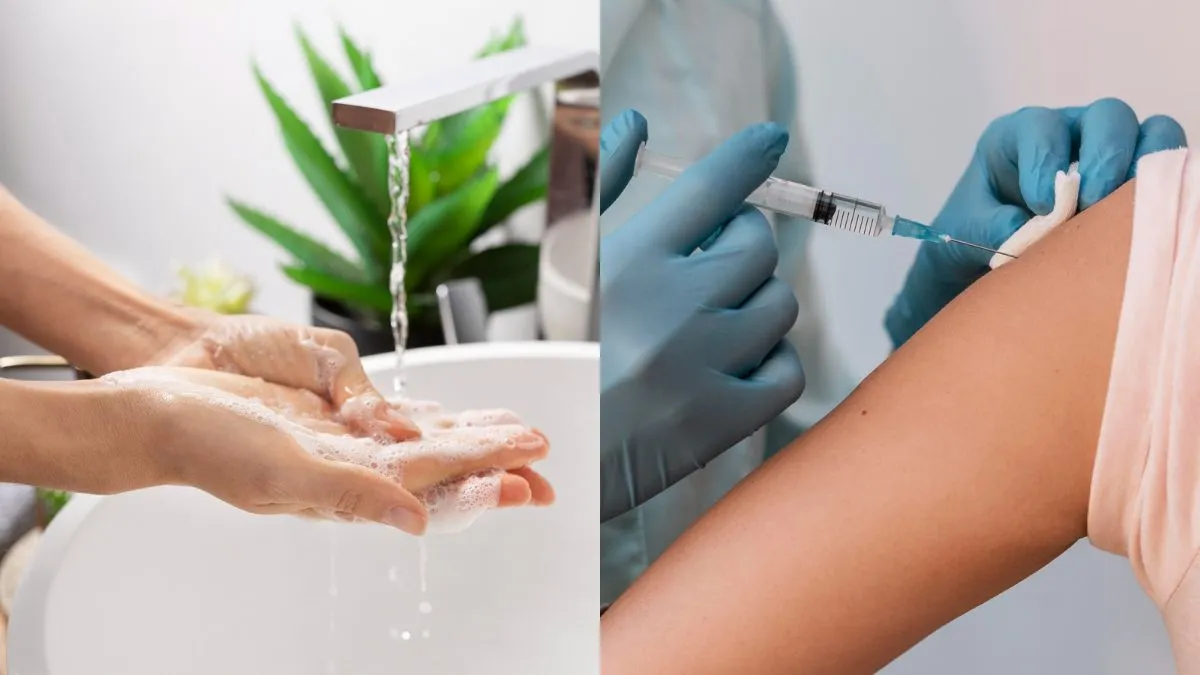
Washing hands with soap and water removes harmful bacteria and viruses. Doing this before meals, after using the toilet, or after touching public surfaces can reduce the risk of infection.
Wound Care
Even small cuts or scratches can become entry points for infections. Cleaning wounds immediately, applying antiseptics, and covering them with clean bandages can help prevent bacteria from spreading.
Safe Food Handling
Contaminated food is a common source of infection. Washing fruits and vegetables, cooking meat thoroughly, and avoiding cross-contamination in the kitchen can prevent foodborne illnesses that can be a trigger for sepsis.
Vaccinations
Staying up to date with vaccines such as flu, pneumonia, and COVID-19 reduces the chances of severe infections that could escalate into sepsis. Vaccination helps strengthen the body’s ability to fight off harmful pathogens.
Good Personal Hygiene
Daily practices like bathing, brushing teeth, and changing into clean clothes can help control the spread of germs. Maintaining cleanliness is important for those with weak immune systems.
Hospital and Home Hygiene
Using clean medical equipment, disinfecting frequently touched surfaces, and practicing safe catheter or IV care at hospitals or homes can reduce infections.
ALSO READ: Brain tumour: Know how tumour location affects different body functions
